

Centuries ago, a remarkable invention unfolded: wine, a sublime grape-based beverage that has continuously fascinated cultures worldwide, weaving through social, historical, medicinal, and sensory realms. Even in the present era, where communication has transcended from whispers in caves to global chats, wine endures as a timeless, all-encompassing symbol of tradition under the arch of modernity.
What truly captivates is its fascinating journey, deeply rooted in its parent species, “Vitis Vinifera,” which has given rise to thousands of grape varieties for wine over centuries, with each wine grape varietal imprinting its own unique signature across time and geography.
These diverse wine grape varieties entice wine lovers like you to explore the vast array of types of wine, where different kinds of wine grapes uncork different wine expressions, further layered in styles, tastes, pairing guides, and market values due to varying terroirs and winemaking techniques. And while this multidimensionality of wine categories may overwhelm you, it’s precisely the charm of the wine world —a limitless palette presenting a bottle perfectly attuned to your style and taste preferences.
So to calm your intimidation, we have penned this blog that aims to enrich your wine journey, whether you are a novice searching for their first serious bottle (our wine for beginners guide is a great place to start) or a connoisseur advancing their vocab-backed snob mood. From red wines to whites, sparklings, rosés and more, we have imparted knowledge on all types of wine under each style to never let you again feel lost, puzzled, or swept over by wine varieties lining store shelves, gracing restaurant menus, or enhancing moments of socializing.
New to Exploring Types of Wine? Uncover Key Wine Descriptors:
- Terroir: It refers to environmental factors (like soil, climate and terrain) that influence a wine’s characteristics.
- Grape Varietal: A specific type of grape used to make wine, each with unique flavors and traits. Examples include Cabernet Sauvignon, Chardonnay, and Merlot. Explore the top wine grape varieties.
- Single-Varietal Wine: Wine made from a single type of grape, showcasing its distinct characteristics.
- Blend: A wine made by combining different grape varieties. Renowned examples include Bordeaux blends (Cabernet Sauvignon, Merlot and Cabernet Franc) and Champagne (Chardonnay, Pinot Noir and Meunier).
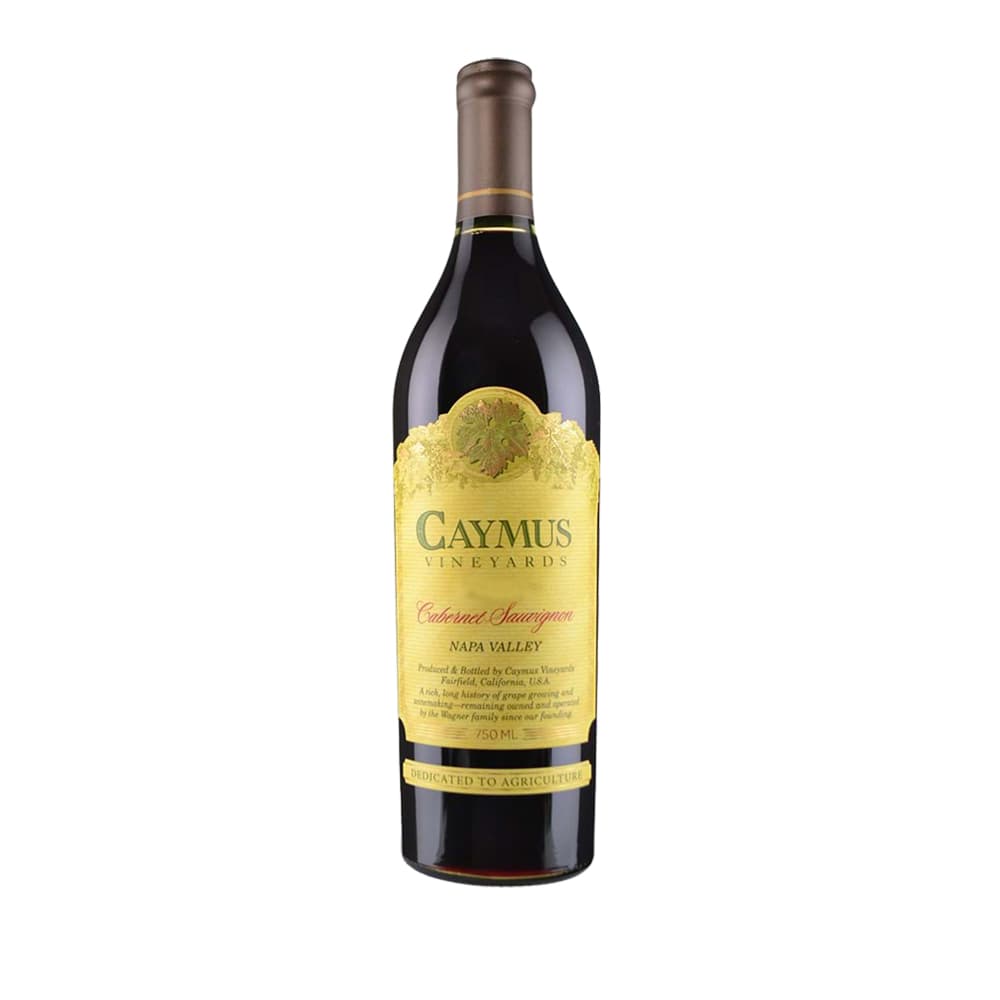
- Vintage Wine: Wine made from grapes harvested in a specific year, reflecting that year’s growing conditions. For instance, in famed Caymus Vineyards Cabernet Sauvignon 2018, grapes used were harvested in the year 2018.
- Non-Vintage Wine: Wine made from a blend of grapes from multiple years, not specific to one harvest. For instance, the baller Veuve Clicquot Brut Yellow Label Champagne is a non-vintage bubbly, crafted from a blend of grapes from multiple vintages. Learn more in our vintage vs non-vintage Champagne guide.
- Oak Aging: The process of maturing wine in oak barrels influences its flavor with nuances of vanilla, spice, and toast, aroma with complexity, and texture with smoothness.
- Tannins: Tannins are natural compounds found in grape skins, seeds and stems that create a dry sensation in the mouth.
- Body: The weight and texture of a wine in your mouth, often described as light, medium and full-bodied.
- Acidity: The tartness or crispiness in a wine, adding freshness and balance.
- Structure: Wine structure is like a blueprint - it's how acidity, tannins, and alcohol combine to create balance and complexity in the wine.
- Terminology For Taste (see our wine notes and tasting terms guide):
- Aromas: Scents perceived in the wine.
- Bouquet: The combined scents developed as the wine ages.
- Palate: The flavors perceived in the mouth while tasting.
- Finish: The lingering taste of the wine after swallowing.
- Minerality: A non-fruit descriptor, often used to describe the taste or aroma reminiscent of minerals like stones or slate, sometimes attributed to the wine's terroir.
- Dosage: The addition of a small amount of sugar to sparkling wine after disgorgement, which decides styles like Brut.
- Effervescence: The perception of bubbles in sparkling wines.
- Sweet Wine: Wine with higher residual sugar content, making it sweet. Here’s a table showcasing levels of sweetness in sweet wines:
| Sweetness Level | Description | Sugar Level Range (g/L) | Examples |
|---|---|---|---|
| Off-Dry | Hint Of Sweetness | 5-15g/L | Riesling Kabinett, some rosé wines, Prosecco |
| Semi-Sweet | Noticeable Sweetness | 15-35 g/L | Gewürztraminer, Moscato d'Asti, Chenin Blanc |
| Medium Sweet | Noticeably Sweet, Not Overly So | 35-75g/L | White Zinfandel, Lambrusco, late-harvest Rieslings |
| Sweet | Clearly Sweet, Perceptible Sugary Taste | 75-120g/L | Sauternes, Tokaji, some Ports |
| Dessert Level Sweet | Richly Sweet, Syrupy, Dessert-Like | 120-220g/L | Ice wines, TBA, late-harvest Rieslings |
| Very Sweet | Extremely Sweet, Almost Syrup-Like | 220+g/L | Pedro Ximénez Sherry, Vin Santo, Rutherglen Muscats |
- Fruity Wine: Wine with dominant fruit flavors. Examples: Riesling, Port and White Zinfandel.
- Aromatic Wine: Wine with intense and expressive aromas, often reminiscent of flowers, herbs, or spices. Examples: Gewürztraminer, Riesling and Muscat (Moscato). Discover more in our Moscato wine guide.
On the vinous landscape, the most strategic way to distinguish different kinds of wine would be to create pools for the styles in which they are made. There are 3 styles of wines; explore them below:
STILL WINES
“Still wines” make the largest and most diversified style of wines. As the name suggests, these wines are “still”, calm and utterly tranquil, showcasing no sign of effervescence - a fancy word for the sensation of the bubbles that makes a non-still wine fizzy, tingling and prickling on senses.
Though still wines are the silent players in the vinous game, they never take a back seat in the tempo of sophistication. These wines most purely capture the essence of the grape varieties and the terroir, without the effervescence masking their subtle taste and aromas, potentially diminishing the subtleties and nuances. Also, note that their ABV typically ranges from 8.5% to 14.5% (see how much alcohol is in wine).
Red Wines

As you’re aware, red wines are defined by their distinct red color. Ever wondered how they achieve those elegant shades of red? The secret lies in the skins of black grapes that are used to craft red wines. While the juice of wine grapes is usually clear or slightly yellowish, it’s the skin of these black wine grapes, at times dark red and purple, that comes packed with pigments like ‘anthocyanins’, imparting deep hues when the juice is left in contact with the skins during the fermentation process.
Features Of Red Wines: Apart from the seeds and stems, the skins of black grapes are also rich in tannins, imparting a gripping, astringent mouthfeel and giving red wines a boosted structure and aging potential.
Red wines tend to be dry, refreshing with their natural acidity, and lean towards bold flavors like dark fruits and more complex notes such as herbs, spices, and earthy tones. In addition, they often show nuanced flavors like vanilla, spice, and subtle smokiness from the oak barrels commonly used to age them.
Also, the buzz about the health benefits of red wine is real!
Different Types of Red Wine: The world of red wines is never-ending, with around 350 red wine varietals offering unique expressions. However, these are the most sought-after red wine types due to their remarkable flavors, regional prowess and captivating complexities:
- Cabernet Sauvignon
- Zinfandel
- Merlot
- Pinot Noir (compare them in our Merlot vs Pinot Noir guide)
- Syrah/Shiraz (same grape, just different styles of making)
- Sangiovese
Best-Suited For: Aficionados seeking depth and character in their wines.
Occasion Settings: Colder Seasons, Rich Feasting, Formal Dining Scenes and Quiet Evenings and Relaxing by Fireside.
Food Pairing Guide: Pair with Hearty Dishes and Meats. See our red wine food pairing guide.
Refer to this red wine chart to uncover famous kinds of red wine on a snobbish note.
| BASIS | CABERNET SAUVIGNON | PINOT NOIR | SYRAH/ SHIRAZ | ZINFANDEL | MERLOT | SANGIOVESE |
|---|---|---|---|---|---|---|
| Pronunciation | ka·br·nay sow·vuhn·yown | pee·now nuh·waar | sr·aa / shuh·raaz | zin·fuhn·del | mr·low | san·jow·vay·zuh |
| Nativity | Bordeaux, France | Burgundy, France | Syrah Style: Rhone Valley, France Shiraz Style: Australia | Croatia (Made Famous by California) | Bordeaux, France | Tuscany, Italy |
| Famous Terroir | Bordeaux, Napa Valley | Burgundy, Sonoma | Rhone Valley, Barossa Valley | California | Bordeaux, Napa Valley | Tuscany |
| Color | Deep Red to Purple | Light Red | Dark-Red-Purple | Deep Red | Ruby Red | Ruby Red |
| Body | Full-Bodied | Light to Medium-Bodied | Full-Bodied | Medium to Full-Bodied | Medium-Bodied | Medium to Full-Bodied |
| Tannins | High | Low to Medium | Medium to High | Medium | Medium | Medium to High |
| Fruit | Blackcurrant, Black Cherry | Cherry, Strawberry | Blackberry, Plum | Blackberry, Raspberry | Plum, Cherry | Cherry, Red Plum |
| Acidity | Medium to High | High | Medium to High | Medium | Medium | High |
| Taste | Bold, Tannic, Complex | Delicate, Earthy, Red Fruit | Spicy, Bold, Dark Fruit | Jammy, Fruity, Spicy | Soft, Plummy, Herbal | Structured, Cherry, Herbal |
| Cellaring Potential | Long-Term Aging (5-20 Years) | Short to Medium-Term Aging (2-10 Years) | Medium-Term Aging (5-15 Years) | Short to Medium-Term Aging (3-10 Years) | Short to Medium-Term Aging (2-8 Years) | Medium-Term Aging (3-10 Years) |
| Serving Temperature | 60-68°F (16-20°C) | 55-60°F (13-16°C) | 60-70°F (16-21°C) | 60-65°F (16-18°C) | 60-65°F (16-18°C) | 60-65°F (16-18°C) |
| Decant Time | 1-2 Hours | 30 Minutes - 1 Hour | 1-2 Hours | 30 Minutes - 1 Hour | 30 Minutes - 1 Hour | 1-2 Hours |
| Suited Glasses | Bordeaux Glass | Burgundy Glass | Shiraz Glass | Zinfandel Glass | Bordeaux Glass | Chianti Glass |
| Food Pairing | Grilled Meats, Aged Cheeses | Duck, Lamb, Mushrooms | Grilled Meats, Spicy Dishes | Barbecue, Rich Dishes | Beef, Pasta | Tomato-Based Dishes |
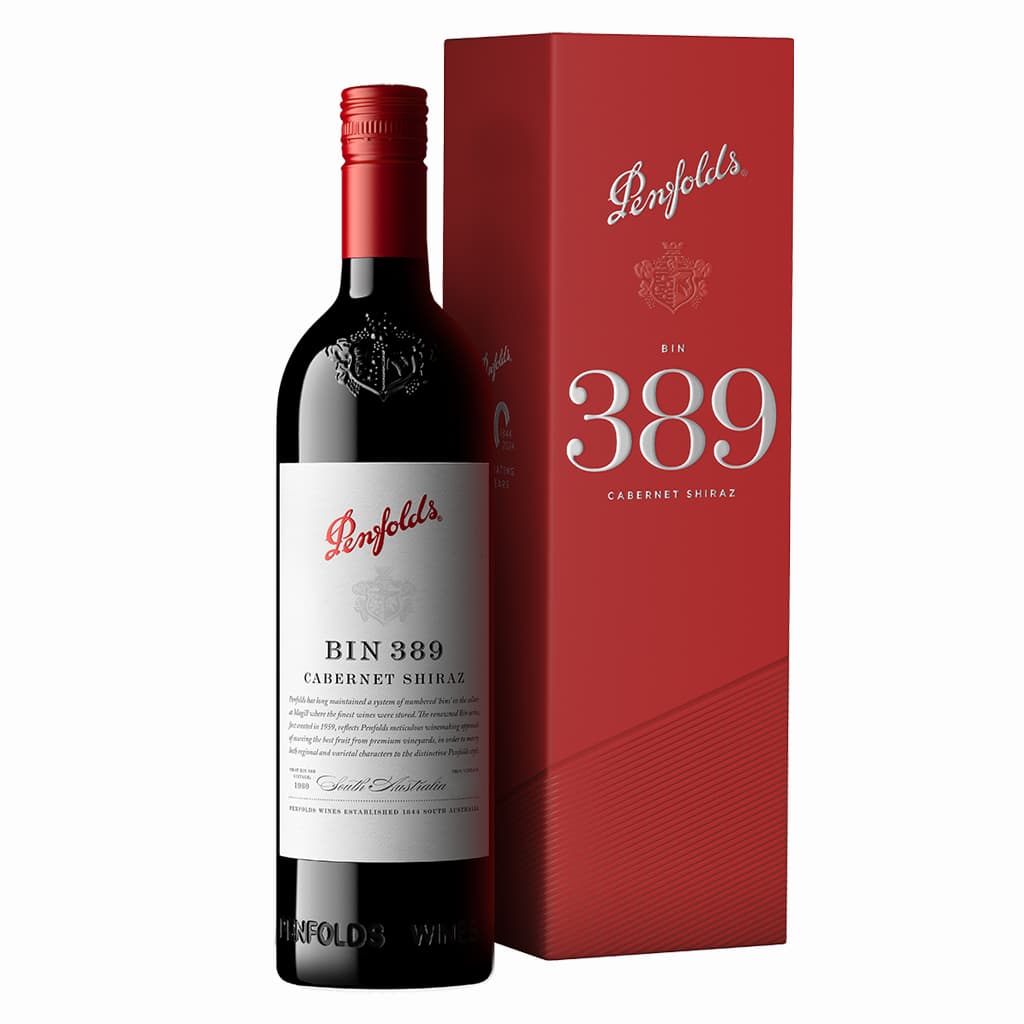
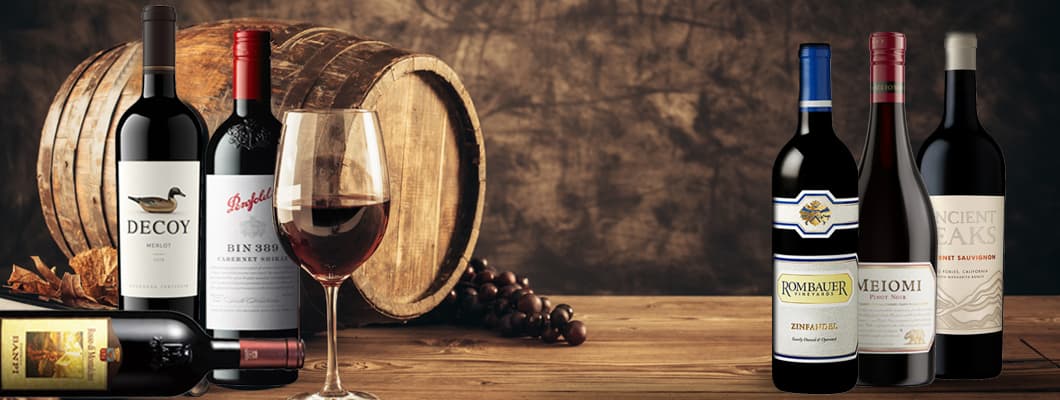
| Popular Bottles | Caymus Vineyards, Josh Cellars | Meiomi, Belle Glos Clark & Telephone Vineyard | Penfolds, K Vintners | Rombauer Vineyards, Ridge | Duckhorn Vineyards, Chateau Petrus | Banfi, Antinori |
| Alternative Wines To Sip and Savor | Cabernet Franc, Carmenere | Gamay, Chardonnay | Grenache, Mourvedre | Petite Sirah, Barbera | Cabernet Franc, Malbec | Nebbiolo, Montepulciano |
White Wines

Taking the lineage of still wines forward, white wines stand out as legitimate charmers with their soft allure. Unlike unapologetically bold reds, they draw a soothing contrast with their color palette, smudged in a spectrum from pale yellow to golden. But how?
That’s because white wines are primarily crafted from somewhat green and yellow-colored grape varieties that showcase a very limited amount of pigment, allowing white wines to extract their light colors from the juice and skins collectively. The longer the skins stay in contact with the juice, the deeper the shade.
A Jaw-Dropping Fact About White Wines!
To your surprise, white wines can also be crafted from red wine grapes. This is done by gently pressing the grapes without leaving their clear juice in contact with the pigmented skins, resulting in white or pale-colored wines. The sheer motive is to craft unique white wines that are complex and rich in texture, structure, and subtle flavors, gracefully showcasing the nuanced aromas and delicate profiles inherent in these grapes. Common examples are Blanc de Noirs Champagne, White Pinot Noir and White Merlot.
Features Of White Wines: In contrast to their red counterparts, white wines are lower in tannins and aging potential but are impressively easy to drink due to their lighter body and refreshing acidity. Their lively acidity further intertwines with their diverse flavors of crisp citrus, tropical fruits, floral, and mineral notes to give the wine structure and complexity.
Also, white wines are at times aged in oak barrels or other vessels like stainless steel, influencing their taste. For instance, Rombauer Vineyards Chardonnay is 100% oaked, therefore serving buttery, vanilla, and toasty flavors, and Duckhorn Vineyards Chardonnay is partially aged in oak and partially in stainless steel and therefore has flavors of crisp, citrusy, and minerally dominant.
Different Types Of White Wine: White wines too have enormous expressions with over 100 varieties of white grapes serving unique expressions. But to narrow down the choices, you can pick from these popular types of white wine:
- Chardonnay (see Chardonnay vs Sauvignon Blanc)
- Riesling
- Chenin Blanc
- Sauvignon Blanc
- Gewurztraminer
- Pinot Grigio/Pinot Gris (same grape, just different styles of making)
Best-Suited For: For those with a penchant for crisp, light-bodied, diversely flavored or easygoing wines.
Occasion Settings: Spring and Summer Seasons, Relaxed Brunches, Casual Gatherings, Sunlit Settings like Picnics and Beachside Get-Togethers.
Food Pairing Guide: Pair with Seafood and Poultry, Sip as Aperitifs or in Cocktails.
Refer to this types of white wines chart to uncover famous white wine types expertly.
| BASIS | CHARDONNAY | SAUVIGNON BLANC | RIESLING | PINOT GRIGIO/PINOT GRIS | CHENIN BLANC | GEWURZTRAMINER |
|---|---|---|---|---|---|---|
| Pronunciation | shaar·duh·nay | sow·vuhn·yown blaangk | ree·sluhng | pee·now gree·zhee·ow / pee·now gree | cheh·nuhn blaangk | guh·vurt·struh·mee·nr |
| Nativity | Burgundy, France | Bordeaux, France | Germany | Pinot Grigio Style: Italy Pinot Gris Style: France | Loire Valley, France | Germany |
| Famous Terroir | Burgundy, USA | New Zealand, France | Germany, Alsace, Australia | Italy, Oregon | South Africa, France | Germany, Alsace |
| Color | Golden | Pale Straw to Light Green | Pale Yellow to Golden | Straw to Golden | Pale Straw to Golden | Golden to Amber |
| Body | Medium to Full | Light | Light | Light | Light to Medium | Medium to Full |
| Sweetness | Dry | Dry | Sweet to Dry | Dry | Dry to Sweet | Off-Dry to Sweet |
| Fruit | Apple, Citrus, Tropical | Citrus, Tropical, Herbaceous | Stone Fruit, Citrus | Citrus, Apple, Pear | Apple, Honeydew, Citrus | Lychee, Rose, Spice |
| Acidity | Medium to High | High | High | High | High | Medium to High |
| Taste | Varies Based on Oak Barrel Aging: Oaked Chardonnay: Buttery, Vanilla, Toasty Unoaked Chardonnay: Crisp, Citrusy, Minerally | Crisp, Herbaceous | Floral, Fruity | Crisp, Refreshing | Depends on Sweetness: Dry Chenin Blanc: Crisp, Citrus, Minerally Sweet Chenin Blanc: Fruity, Floral, Honeyed | Floral, Spicy |
| Cellaring Potential | Medium-Term Aging (3-8 Years) | Short-Term Aging (1-5 Years) | Long-Term Aging (5-20 Years) | Short-Term Aging (1-3 Years) | Medium-Term Aging (3-8 Years) | Medium to Long-Term Aging (2-10 Years) |
| Serving Temperature | 50-55°F (10-13°C) | 45-50°F (7-10°C) | 45-50°F (7-10°C) | 45-50°F (7-10°C) | 50-55°F (10-13°C) | 45-50°F (7-10°C) |
| Decant Time | 15-30 Minutes (For Full-Bodied, Old or Complex Ones) | Not Required | 10-15 Minutes (If Young or More Aromatic) | Not Required | 10-15 Minutes (If Light-Bodied) 20-30 Minutes (If Richer or Older) | 10-15 Minutes |
| Suited Glasses | Chardonnay Glass | Sauvignon Blanc Glass | Riesling Glass | Pinot Grigio Glass | White Wine Glass | Gewurztraminer Glass |
| Food Pairing | Chicken, Seafood, Creamy Pasta | Seafood, Goat Cheese, Salad | Spicy Food, Asian Cuisine | Light Seafood, Salads, Light Pasta | Poultry, Seafood, Asian Dishes | Spicy Cuisine, Asian Dishes |
| Popular Bottles | Josh Cellars, Rombauer Vineyards | Cloudy Bay, Duckhorn Vineyards | Forge Cellars, Dr. Loosen | Santa Margherita, King Estate, Zenato | Domaine Huet, Ken Forrester | Zind-Humbrecht, Trimbach |
| Alternative Wines To Sip and Savor | Viognier, Marsanne | Semillon, Grüner Veltliner | Gewurztraminer, Moscato | Garganega, Albariño | Semillon, Marsanne | Alsace Pinot Blanc, Viognier |
Rosé Wines
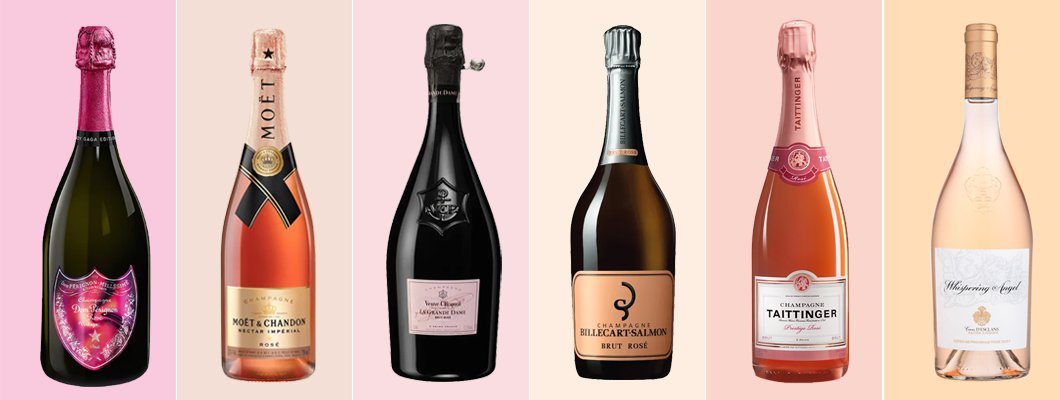
In the middle of the alluring shades of red and white wines, there is a sweet spot called “Rosé Wines,” also called “Pink Wines.” These wines encapsulate the “La vie en rose” theme of the wine world with their blushy hues, drawing a spectrum from pale pink to deeper shades of salmon and ruby.
But how do these wines get their pink blush? These winemaking methods accomplish it:
- Blending: Crafting rosé by blending (mixing) red and white wine, a method mainly permitted for rosé Champagne in Europe.
- Direct Press: Red grapes are pressed right away with minimal skin contact, producing a very pale, delicate rosé.
- Maceration (Skin Contact): In this method, red grapes are crushed and kept for a short maceration period with the skins, typically just a few hours. The juice is then separated from the skins, resulting in a light-colored rosé. The larger the extent of maceration, the deeper the hues.
- Saignée Method: The term “Saignée” translates from French to “bleeding” which describes the process of bleeding off or siphoning off a portion of juice from a vat of red wine must (crushed grapes and juice) to create a rosé.
- Sparkling Rosé: A sparkling rosé wine is a subset of sparkling wines that is another style of wine. These rosés are not still and spectacularly make their blushed personalities dance along fine, persistent bubbles.
Features Of Rosé Wines: Apart from mingling the swoon-worthy tints of red and white wines, rosé wines also interlace their remarkable features, intertwining the refreshing acidity and lightness of whites with the fruity notes of reds, like those luscious touches of raspberries, strawberries, and cherries, along with floral and citrusy nuances.
Apart from being light-bodied, fruity, and refreshing, rosé wines are also low in tannins due to the juice divorcing the pigmented skins. Due to this limited tannin presence, the aging potential of rosés is restricted, making them ideal to consume young, at the pinnacle of freshness and vibrancy. Only the high-quality ones, like Château d'Esclans Whispering Angel Rosé, showcase subtle improvements in short-term aging (1-3 years).
Different Types Of Rosé: Globally, across the terroirs, various kinds of rosé wine are crafted by unique winemaking techniques. The most famous rosé wine types are Provence Rosé, Grenache Rosé and Sangiovese Rosé.
Best-Suited For: Ideal for someone who would love to taste the lightness and refreshment of white wine with a touch of fruitiness.
Occasion Settings: Romantic Moments, Summer Evenings, Elegant Celebrations, Sunlit Settings like Beaches and Outdoor Brunches.
Food Pairing Guide: Incredibly Versatile; Goes Best with Lighter Salads, Grilled Meats.
Here is a table showcasing main rosé types, each showcasing the signature style with its grape selection, sweetness level, taste and more:
| BASIS | GRENACHE ROSÉ | SANGIOVESE ROSÉ | TEMPRANILLO ROSÉ | SYRAH ROSÉ | CABERNET SAUVIGNON ROSÉ | ZINFANDEL ROSÉ | TAVEL ROSÉ | PROVENCE ROSÉ | MOURVEDRE ROSÉ | PINOT NOIR ROSÉ |
|---|---|---|---|---|---|---|---|---|---|---|
| Nativity | Spain/France | Italy | Spain | France | Global | USA | Tavel, France (Can only be produced in this appellation) | Provence, France (Can only be produced in this appellation) | France | Global |
| Grape Varietals Used | Grenache | Sangiovese | Tempranillo | Syrah | Cabernet Sauvignon | Zinfandel | Grenache Blend (Typically Includes Grenache, Cinsault, Syrah, Mourvedre) | Grenache Blend (Includes Grenache, Cinsault, Syrah, Mourvedre) | Mourvedre | Pinot Noir |
| Sweetness | Dry to Off-Dry | Dry to Off-Dry | Dry to Off-Dry | Dry to Off-Dry | Dry to Off-Dry | Dry to Off-Dry | Dry | Dry to Off-Dry | Dry | Dry to Off-Dry |
| Body | Light | Light to Medium | Medium | Medium | Medium to Full | Medium | Full | Light to Medium | Medium | Light to Medium |
| Acidity | Moderate | Moderate | Moderate to High | Moderate | Moderate to High | Moderate | High | Moderate to High | Moderate | Moderate |
| Taste | Red Berries, Floral Notes | Cherries, Strawberries | Red Fruit Flavors With a Hint of Spice | Red Berries, Sometimes Peppery Notes | Red Fruit With Possible Herbaceous Notes | Ripe Berry With Potential Jammy Characteristics | Rich Red Fruit Flavors | Delicate Red Fruit and Citrus Notes | Red Fruit With Herbal and Earthy Nuances | Elegant Red Fruit, Sometimes Silky Texture |
| Serving Temperature | 45-50°F (7-10°C) | 45-50°F (7-10°C) | 45-50°F (7-10°C) | 45-50°F (7-10°C) | 45-50°F (7-10°C) | 45-50°F (7-10°C) | 50-55°F (10-13°C) | 45-50°F (7-10°C) | 50-55°F (10-13°C) | 45-50°F (7-10°C) |
| Suited Glasses | Tulip or Bordeaux Glass | Tulip or White Glass | Tulip or White Glass | Tulip or Bordeaux Glass | Tulip or Bordeaux Glass | Tulip or White Glass | Tulip or Bordeaux Glass | Tulip or White Glass | Tulip or Bordeaux Glass | Tulip or White Glass |
| Food Pairing | Grilled Seafood, Salads | Caprese Salad, Light Pasta | Paella, Grilled Chicken | BBQ, Charcuterie | Grilled Meats, Goat Cheese | BBQ, Spicy Dishes | Mediterranean Cuisine | Seafood, Salads | Grilled Meats, Mediterranean Cuisine | Light Salads, Salmon |
| Popular Bottles | Château d'Esclans Whispering Angel, AIX Rosé, A Tribute to Grace Rosé | Tuscan Rosato Producers (Chianti and Maremma) | Rioja and Ribera del Duero Rosados | Rhône Valley and Australian Syrah/Shiraz Rosés | Bordeaux Rosés and Clairets, California Cabernet Rosés | Pedroncelli Dry Rosé of Zinfandel, Turley White Zinfandel | Domaine de la Mordorée La Dame Rousse, Château d'Aqueria | Château Miraval, Domaines Ott Château de Selle | Domaine Tempier, Château Pradeaux, Domaines Ott Château Romassan | Belle Glos Oeil de Perdrix, Sokol Blosser Rosé of Pinot Noir |
| Alternative Wines To Sip and Savor | Cinsault Rosé, Mourvèdre Rosé | Nebbiolo Rosé, Vermentino Rosé | Garnacha Rosé, Bobal Rosé | Grenache Rosé, Mourvèdre Rosé | Merlot Rosé, Malbec Rosé | Grenache Rosé, Primitivo Rosé | Bandol Rosé, Lirac Rosé | Côtes de Provence Rosé, Bandol Rosé | Grenache Rosé, Cinsault Rosé | Gamay Rosé, Cinsault Rosé |
Fortified Wines
Among the last but not the least, fortified wines are still wines to which a distilled spirit, usually brandy, is added during or after fermentation. This step is called “fortification” which boosts the alcohol content and consequently helps preserve the wine.
Features of Fortified Wine: Apart from preserving, high ABV also allows the fortified wines to gain depth of complexity and richness over time due to extended shelf life.
The range of ABV for unfortified wine is about 5.5% to 16%, with an average of 11.6%, but fortified wines typically range from 15% to 22%. Also, their sweetness level can range from dry to sweet, offering a wide range of flavors.
Types of Fortified Wine:
- Port
- Sherry
- Madeira
- Vermouth
- Marsala
Best-Suited For: Those who appreciate rich complexities, diverse flavors, nuanced sweetness and the elegance of aged beverages.
Occasion Settings: Celebratory Moments, Relaxation by Fireside, Cozy Winter Nights, Sophisticated Dinners, Intimate Toasts.
Food Pairing Guide: Pair with Rich and Flavorful Cheeses, Decadent Desserts, Savory Nuts
Explore this table featuring the main fortified wine types from each dimension:
| BASIS | PORT | SHERRY | MADEIRA | VERMOUTH | MARSALA |
|---|---|---|---|---|---|
| Pronunciation | Port | SHEH-ree | mah-DAY-rah | ver-MOOTH | mar-SA-la |
| Nativity | Portugal | Spain | Portugal | Italy, France | Italy |
| Famous Terroir | Douro Valley | Jerez | Madeira Islands | Turin (Italy), Chambéry (France) | Sicily |
| Color | Red, Tawny | White, Amber | White, Amber, Brown | Red, White | Amber |
| ABV | 19-22% | 15-20% | 18-22% | 14-20% | 15-20% |
| Body | Full | Light to Full | Medium to Full | Light to Medium | Medium to Full |
| Sweetness | Sweet | Dry to Sweet | Sweet to Dry | Sweet to Dry | Dry to Sweet |
| Flavor Profile | Dark Fruits, Nutty | Nutty, Fruity, Floral | Caramel, Nutty, Fruity | Herbal, Aromatic | Nutty, Caramel, Fruity |
| Aging Potential | Decades | Depends on Style: Fino and Manzanilla Best Fresh; Amontillado and Oloroso Age Well | Decades | Best Enjoyed Young; Refrigerate After Opening | Depends on Style: Fine (1+ Year) to Vergine (5+ Years of Aging) |
| Serving Temperature | 60-68°F (15.5-20°C) | Fino/Manzanilla: 45-50°F (7-10°C) Oloroso: 54-57°F (12-14°C) | 50-57°F (10-13.9°C) | Chilled 40-45°F (4-7°C) or Over Ice | 55-60°F (12.8-15.5°C) |
| Suited Glasses | Port Glass | Sherry Copita | Port Glass | Cocktail Glass | Port Glass |
| Food Pairing | Blue Cheese, Chocolate, Berries | Tapas, Nuts, Seafood, Asian Cuisine | Desserts, Nuts, Spicy Cuisine | Cocktails (Negroni, Martini), Appetizers | Risotto, Cheese |
| Popular Bottles | Graham’s, Taylor’s | Lustau, Hidalgo | Blandy’s, Henriques & Henriques | Carpano, Martini & Rossi | Florio, Pellegrino |
| Alternative Varietals | Banyuls, Maury | Madeira, Vermouth | Marsala, Vermouth | Quinquina, Americano | Madeira, Sherry |
Orange Wines
No, No, No… Don’t let this misnomer color your imagination blue. Orange wines have nothing to do with zesty oranges. Let them be designated for your unique and bold cocktail parties only.
Actually, orange wines are white wines whose juice is left in a prolonged maceration period with the grape skins, extending up to several weeks or months, let the juice be pigmented slightly to deeper orangish with skin contact. Though this orangey style of winemaking is ancient, it has only taken up the spotlight in the last 20 years, making it a trend worth exploring for wine lovers globally.
Features of Orange Wine: Orange wines tend to be robust and bold, with honeyed aromas of jackfruit, hazelnut, bruised apple, wood varnish, linseed oil, brazil nut, juniper, sourdough and dried orange rind. On the palate, they are big, dry, and tannin-rich with a nuttiness and a sourness similar to fruit beer. Overall, they present an unconventional twist to white wines, evolving remarkably through prolonged skin contact.
Best-Suited For: Suited for those who appreciate bold and intense flavors or are looking for unique wine options.
Occasion Settings: Intimate Dinners, Avant-Garde Tastings, and Rustic Picnics, Seasonal Transitions, Harvest Celebrations, Cozy Gatherings.
Food Pairing Guide: Bold and Flavorful Foods like Spicy Curries, Grilled Veggies with Mediterranean Herbs, Earthy Mushroom Risotto, Herbaceous Cheeses like Aged Gouda.
Explore this table featuring various types of orange wines from prominent nations:
| REGION | ITALY | SLOVENIA | GEORGIA | UNITED STATES | AUSTRALIA | FRANCE (JURA) | SOUTH AFRICA | AUSTRIA |
|---|---|---|---|---|---|---|---|---|
| Style | Indigenous Grapes (Friulano, Ribolla Gialla, Pinot Grigio) | Indigenous Grapes | Rkatsiteli | Rkatsiteli, Experimental | Sauvignon Blanc | Savagnin, Chardonnay | Various Grapes | Various Grapes |
| Unique Features Of These Orange Wines | Utilizes indigenous grapes and traditional methods; exhibits rich complexity | Demonstrates a long history of orange winemaking; integrates traditional flavors | Ancient fermentation practices produce deep-hued, distinctive, and historical wines. | Embarks on experimental techniques; Rkatsiteli showcases adaptability and diversity | Progressive use of Sauvignon Blanc; offers a balance of boldness and fruitiness | Applies oxidative winemaking; results in nutty-tart profiles similar to orange wines | Showcases diversity with older vines and lesser-known grapes; explores uniqueness | Explores various grape varieties; creates balanced and experimental orange wines |
| Famous Producers | Gravner, Radikon, Bressan | Klinec, Movia “Lunar”, Princic | Pheasant’s Tears, Alaverdi Monastery | Channing Daughters, Pax Mahle, Scholium Project | BK Wines, Born & Raised Wines | Domaine Ganevat, Domaine Tissot | Intellego, Lammershoek, Sadie Family Wines | Strohmeier, Werlitsch, Maria & Sepp Muster |
SPARKLING WINES

Transitioning from the world of still wines to the effervescent realm of sparkling wines is an exhilarating journey. Sparkling wines, renowned for their vivacious nature, are crafted through a fascinating secondary fermentation process that imparts them with their hallmark fine, persistent bubbles. In traditional-method wines like Champagne, Cava and Crémant, this secondary fermentation occurs within the bottle, while Prosecco and many Sekts undergo it in pressurized tanks (the Charmat method), capturing the carbon dioxide which orchestrates the delightful effervescence.
While diversified types of Champagne often spring to mind, symbolizing sophistication and celebration, the realm of sparkling wines extends far beyond, each varietal with its unique charm and allure.
Features of Sparkling Wine: The hallmark feature of sparkling wines lies in their effervescence—the sensation of fine, persistent bubbles that dance and fizz in the glass. The fine bubbles not only enchant the senses but also contribute to the wine’s complexity and texture and mingle with the vibrant acidity of the wine to balance the sweetness, making it superbly refreshing in nature. Also, note that their ABV is around 12%.
Most of the sparkling wines are crafted away from the contact of skins, making them low in tannins and gaining soft hues in a spectrum of pale straw to golden, unlike rosé and red sparkling wines given low to high traces of black grapes in winemaking. Also, they are breathtakingly versatile, crafted in a spectrum of styles, catering to preferences for taste, aromas, sweetness levels, and approachability.
Best-Suited For: Sparkling wine enthusiasts span celebratory souls, wine aficionados, socializers, romantics, food enthusiasts, cocktail lovers and fine dining connoisseurs.
Occasion Settings: These wines suit various settings like sophisticated gatherings, relaxed brunches, intimate dinners, romantic evenings, and celebratory moments during weddings, anniversaries, or any milestone.
Serving Guide: Impressively versatile to pair with food (see our Champagne food pairing guide); need not be decanted due to delicate bubbles in them vanishing soon after exposure to air.
Different Types of Sparkling Wine:
Champagne
- Pronunciation - sham-PAYN
- Region Of Production - Champagne, France (learn how Champagne is made)
- Famous Terroirs - Montagne De Reims, Cote Des Blancs, Vallée De La Marne
- Permitted Grape Varieties - 7 Champagne Grape Varieties Permitted from Champagne Region Only
- Main Grape Varieties: Chardonnay, Pinot Noir and Meunier
- Others: Arbane, Petit Meslier, Pinot Blanc, Pinot Gris
- Specialty - Complex, Fine Bubbles, Exceptional Aging
- Color - Golden to Light Yellow
- Body - Light to Full-Bodied
- Fruit - Citrus, Apple, Pear
- Sweetness - Sweetness Depends on Dosage (Grams of Sugar Added Per Liter)
Brut Nature Extra Brut Brut Extra Dry Sec Demi-Sec Doux Less than 3 g/L 0-6 g/L Up to 12 g/L 12-17 g/L 17-32 g/L 32-50 g/L 50 g/L or more - Taste - Complex, Toasty, Biscuity
- Cellaring Potential - Varies by Vintage (Quality Vintages can age 10+ Years)
- Serving Temperature - 45-48°F (7-9°C)
- Suited Glasses - Flute or Tulip Glasses (compare Champagne glasses vs wine glasses)
- Food Pairing - Shellfish, Caviar, Soft Cheese
- Popular Bottles - Popular Champagne Brands: Moët & Chandon, Veuve Clicquot, Dom Pérignon
Prosecco
- Pronunciation - proh-SEH-koh
- Region Of Production - Northeast Italy (see Prosecco vs Champagne)
- Famous Terroirs - Veneto (Conegliano Valdobbiadene), Friuli Venezia Giulia
- Permitted Grape Varieties - Flexibility in Sourcing Grapes
- Glera: At Least 85% of Each Prosecco
- Up to 15%: Other Permitted Local and International Varieties
- Specialty - Approachable, Fruity-Floral, Affordable
- Pressure - 3-4 Atmospheres
- Color - Straw Yellow
- Body - Light-Bodied
- Fruit - Peach, Apple, Floral
- Sweetness - Mostly Extra Dry
- Taste - Crisp, Fruity, Floral
- Cellaring Potential - Best Consumed Young, Minimal Aging (1-2 Years)
- Serving Temperature - 40-45°F (4-7°C)
- Suited Glasses - Tulip or White Wine Glasses
- Food Pairing - Antipasti, Light Seafood
- Popular Bottles - Mionetto, La Marca
Cava
- Pronunciation - KAH-vah
- Region Of Production - Spain
- Famous Terroirs - Penedès
- Permitted Grape Varieties - Grapes Permitted from Region Only
- Main Grape Varieties: Macabeo, Xarel·lo and Parellada
- Specialty - Crisp, Fresh, Value across styles
- Pressure - 4-6 Atmospheres
- Color - Pale Yellow to Straw
- Body - Light to Medium-Bodied
- Fruit - Citrus, Apple, Almond
- Sweetness - Brut or Extra Dry
- Taste - Fresh, Crisp, Nutty
- Cellaring Potential - Short to Medium-Term Aging (2-4 Years)
- Serving Temperature - 40-45°F (4-7°C)
- Suited Glasses - Flute or White Wine Glasses
- Food Pairing - Tapas, Paella, Cured Meats
- Popular Bottles - Freixenet, Codorniu
Sekt
- Pronunciation - Zekt
- Region Of Production - Germany
- Famous Terroirs - Mosel, Rheingau, Pfalz
- Permitted Grape Varieties - All German Grape Varieties Permitted
- Main Grape Varieties: Riesling, Silvaner, and Pinot Noir
- Specialty - Diverse Flavors, German Winemaking Versatility
- Pressure - 3-5 Atmospheres
- Color - Pale Straw to Golden
- Body - Light to Full-Bodied
- Fruit - Apple, Peach, Floral
- Sweetness - Dry to Sweet
- Taste - Crisp, Fruity
- Cellaring Potential - Best Consumed Young, Minimal Aging (1-3 Years)
- Serving Temperature - 40-45°F (4-7°C)
- Suited Glasses - Flute or White Wine Glasses
- Food Pairing - Spicy Cuisine, Seafood
- Popular Bottles - Henkell, Raumland
Crémant
- Pronunciation - kray-MAHN
- Region Of Production - France, Outside Champagne
- Famous Terroirs - Alsace, Burgundy
- Permitted Grape Varieties - Grapes Permitted from Regions Across France:
- Main Grape Varieties: Chardonnay, Pinot Noir, Chenin Blanc, Riesling, Pinot Blanc, Gamay, Mauzac
- Specialty - Fruity-Floral, Affordable, Regional Variations
- Pressure - 3-6 Atmospheres
- Color - Pale Straw to Golden
- Body - Light to Full-Bodied
- Fruit - Apple, Peach, Red Berries
- Sweetness - Dry to Sweet
- Taste - Fruity, Floral
- Cellaring Potential - Exceptional Ones Can Age Up to 2-5 Years
- Serving Temperature - 40-45°F (4-7°C)
- Suited Glasses - Flute or White Wine Glasses
- Food Pairing - Poultry, Salads, Desserts
- Popular Bottles - Lucien Albrecht Crémant d’Alsace, Louis Bouillot Crémant de Bourgogne
SEMI-SPARKLING WINES
Nestled in the charming spot between the still wines and sparkling wines, semi-sparkling wines are wines with light effervescence or fizziness. These wines, also known as “frizzante” in Italian, also undergo secondary fermentation that creates bubbles but tends to gain only 1–2.5 additional atmospheres of pressure, while sparkling wines, on the other hand, are expected to have at least 3 additional atmospheres of pressure in them.
Features of Semi-Sparkling Wine: Less Bubbly, Equally Gratifying; ABV: Typically 5-12%
Famous Types of Semi-Sparkling Wine:
- Lambrusco: Emilia-Romagna and Lombardy regions of Italy.
- Vinho Verde: Vinho Verde, Portugal.
- Moscato d'Asti: Piedmont, Italy.
- Pétillant Naturel (Pét-Nat): Produced Globally.
- Frascati Secco: Frascati, Italy
Best-Suited For: Semi-sparkling wines suit those seeking a gentle fizziness, offering a balance between the subtlety of still wines and the intensity and refreshment of sparkling ones.
Occasion Settings: Remarkable aperitifs, assist in cocktail parties, and gracefully add subtle glamor to relaxed moments and warm days.
Food Pairing Guide: Semi-Sparkling wines are extremely versatile: they have enough character to stand on their own, but they aren’t so powerful as to overpower whatever you’re eating with them.
Make sure to serve your semi-sparkling thoroughly chilled in a slender champagne flute with these best dishes: Creamy Italian food, sweet cheese plates, roasted meat and desserts like fresh fruit, chocolate, and sorbet.
Also Read: