




















Have you ever felt confused while looking at Italian wine labels in a store? The abbreviations are mentioned on the bottle. Forget about understanding; sometimes, it is difficult even to read and pronounce. Italian wine labels can be complex because of their detailed classification system. In Italy, wine is not just a drink; it is a way of life. Italy has hundreds of grape varieties and 20 different wine regions. Each wine region has its own distinct traditions.
And one such classification is DOCG.
What is DOCG Wine?
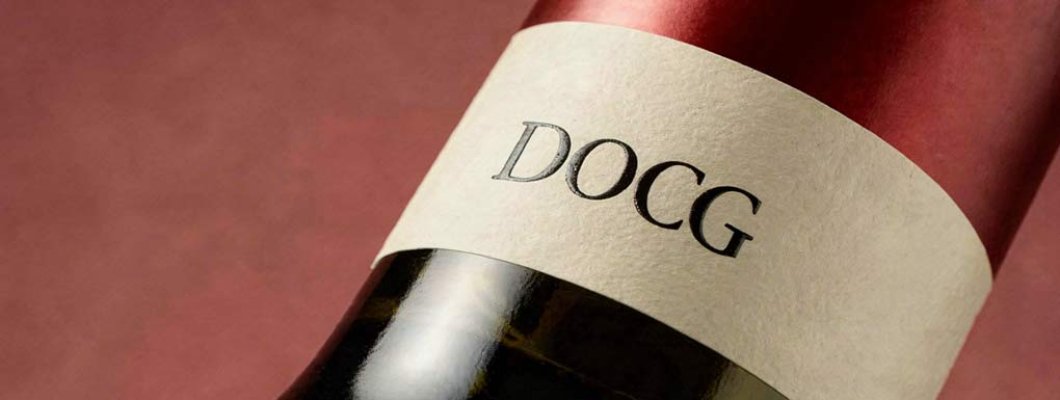
The full form of the DOCG is Denominazione di Origine Controllata e Garantita, which literally means “Denomination of Controlled and Guaranteed Origin.” This is the highest level in Italy’s wine classification system and indicates strict quality control, authentic origin, and government recognition.
But what truly makes DOCG wines special? Let’s explore the history, rules, regions, and iconic bottles that define this prestigious category in very much detail.
Understanding the Italian Wine Classification System
Let’s first see where DOCG wines actually stand in the hierarchy of the Italian wine classification system. Then we will dive deeper into their qualities.
- Vino da Tavola (Table Wine) - They are the basic table wines, and these wines have minimal regulations.
- IGT (Indicazione Geografica Tipica) - These Wines come from the broader specific region. This category offers greater flexibility in grape varieties and winemaking.
- DOC (Denominazione di Origine Controllata) - They are the wines that come from the very well-defined regions. They follow quite specific production rules.
- DOCG (Denominazione di Origine Controllata e Garantita) - These wines are the most strictly regulated and quality-assured. In this article, we will study them in detail.
DOCG was introduced in 1980 to recognize wines of exceptional quality and historical significance. Getting a place in this category is not an easy task; very few get the chance to secure their position here, all thanks to the rules and regulations that wine needs to follow.
Qualities of DOCG wines
DOCG wines must follow rigorous standards beyond prestige alone. Let’s study each rule one by one.
Strict Geographic Boundaries
The geographic boundary is specifically defined, and the wine must come from that area only. This is referred to as the terroir. Terroir is defined as the climate of the region in which the wines are grown, the type of soil that region has, and it also includes the tradition of the same region. For example, the DOCG wine, which comes from the Barolo area of the Piedmont region, is called Barolo. Similarly, the Brunello DOCG comes from the Montalcino region of Tuscany.
Controlled Grape Varieties
DOCG rules also consider grape varieties that go into the specific wine. Not only this, but even the grape concentration is monitored. Let me give you an example: Brunello di Montalcino must be made only from the Sangiovese grape variety, which means it is 100% Sangiovese.
Yield Restrictions
Producers are supposed to restrict the yields, which means they must moderate the limit on how many grapes are harvested per hectare in their fields. Yields are restricted to maintain the higher quality of the wine and make it more concentrated.
Aging Requirements
The aging is also controlled, and the number of years is maintained properly. They are aged longer than other wines, and their aging is often extended before release to market.
Government Testing
Last but not least step in the line. Here comes the government panel into the picture. Before the wine entered the market, it underwent chemical analysis and a blind taste test by a government official panel. After that, bottles are sealed across the neck with a strip; the government officials give each strip a specific number. All this is done to guarantee the authenticity of the product.
Iconic DOCG Wines of Italy
Italy currently has around 77 DOCG denominations, spread across multiple regions. Here are some of the most celebrated examples of the DOCG wines.
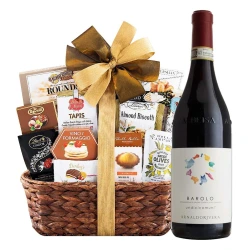
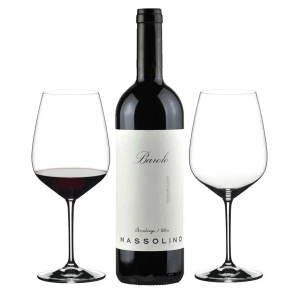
1. Barolo
Barolo is known as the “King of Wines.” Barolo is made from the 100% Nebbiolo grape produced in the Piedmont region of Northern Italy. It is known for its powerful tannins. It has an aroma of rose, tar, cherry, and truffle. It has a very exceptional aging potential, mostly ranging from 10 to 30 years. Let me give you an example, it must be aged for at least 38 months, out of which 18 months aging is required in the oak barrels. The Riserva variety requires even longer aging.
It is the structured, bold red wine and is often paired with rich, hearty foods like red meat, cheesy pasta, steaks, and lamb.
Recommendation

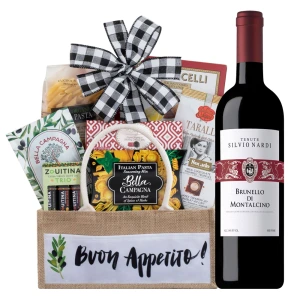
2. Brunello di Montalcino
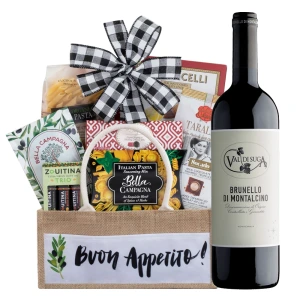
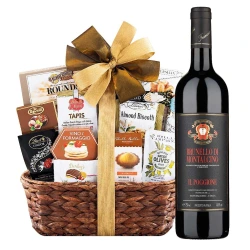
Brunello is made exclusively from Sangiovese. It is made up of 100% Sangiovese grapes.These Sangiovese grapes are grown around the town of Montalcino in the Tuscany region of Italy. It is quite a bold wine. Its flavor includes dark cherry with taste notes of dried herbs.Brunello is known for its firm structure, and it also has a very long aging potential. It must be aged for at least five years before release, and the aging is six years for the Riserva variety. It can be paired with rich meats, hard cheese, cheesy pasta, mushrooms etc.
Recommendation
3. Chianti Classico
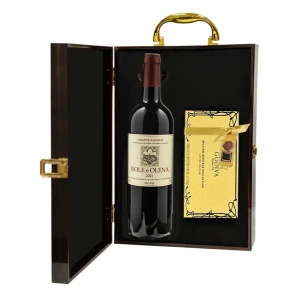
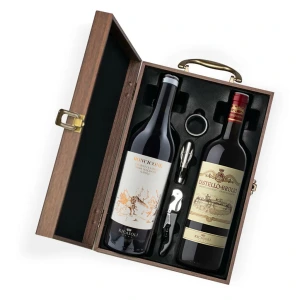
The Chianti Classico DOCG has to have the black rooster symbol, which is its signature mark. As the name suggests, it comes from the Chianti region in Tuscany. Sangiovese grapes are used to make this wine. It has herbal taste notes and high acidity, which makes it suitable for pairing with diverse food items. When compared to Brunello, it is considered more approachable. It goes well with foods like tomato-based pizza, pasta, grilled red meats, and mushroom-based dishes.
Recommendation
4. Amarone della Valpolicella
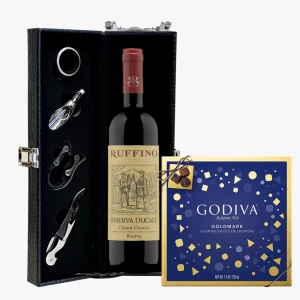
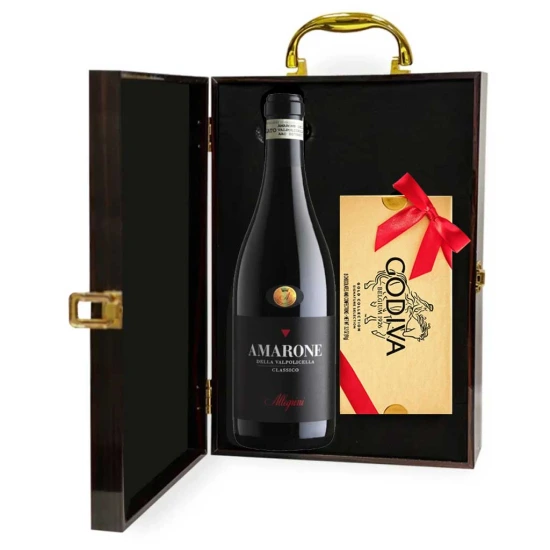
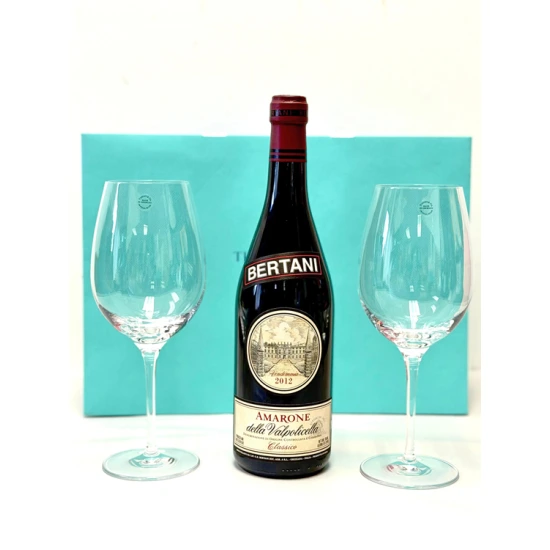
Amarone is one of Italy’s most unique wines, and comes from the Veneto region of Italy. Mostly because of the way it is made, in its making, grapes are first partially dried up before undergoing the process of fermentation. This method is known as the appassimento. It helps in concentrating flavors and sugars in it. It is a full-bodied wine that has notes of dried fruit, chocolate, and spices. It is often paired with foods like rich, intense foods like hearty meats, truffles, aged cheese, and pork.
Recommendation
5. Prosecco Superiore
Not all Prosecco is DOCG; only bottles that come from the Conegliano-Valdobbiadene area of the Veneto region of Italy come under the category of DOCG. If we compare it to standard Prosecco, DOCG versions offer finer bubbles, have more aroma, and minerals. They represent the highest quality sparkling wine from this region, also known as the Champagne of Italy. It is paired with light foods like nuts, seafood, mushrooms, and chips, as well as desserts.
Why DOCG Wines Matter
DOCG wines represent more than rules. They protect:
- Regional heritage of the respective region
- Traditional winemaking methods
- Indigenous grape varieties
- Authenticity in global markets
- Brand value of the Italian wines
For consumers, DOCG provides confidence and authenticity. When you see that numbered government seal, you know the wine has passed strict standards.
However, it’s important to remember that DOCG status does not automatically mean a wine will suit your personal taste. Some excellent wines fall outside DOCG due to creative winemaking choices and the use of blending techniques. The classification guarantees typicity and quality control, not individual preference. Some people prefer Super Tuscans over DOCGs, which belong to the IGT category of the Italian wine classification.
DOCG and Terroir: The Italian Philosophy
Italy’s wine identity is deeply regional. Unlike some countries that emphasize grape variety, Italy emphasizes places like Tuscany and Barolo. DOCG wines are expressions of specific hillsides, villages, and microclimates throughout Italy.
This philosophy means that two DOCG wines made from the same grape can taste dramatically different depending on their origin and the region of the country. For example, Sangiovese in Montalcino produces powerful red wine, Brunello, but Sangiovese in Chianti produces brighter, more acidic wines.
DOCG protects these distinctions and ensures they remain true to tradition, as well as protecting the GI tag of the country.
Are DOCG Wines Always Expensive?
No, not always, though some of them, like Barolo and Brunello, are expensive, but there are many other affordable wines, for example,
- Chianti Classico DOCG
- Prosecco Superiore DOCG
- Gavi DOCG
Furthermore, price often depends on the aging of the wine, the reputation of the producer, and the vineyard location from where it is produced, rather than the classification alone.
The Future of DOCG Wines
The DOCG wines are here to stay! Italy continues to refine its classification system. New regions occasionally achieve DOCG status. The rules are very strict, and producers have to keep this in mind to balance tradition and innovation. Not only producers but consumers are also aware and educated. They want authenticity, sustainability, and information related to the origin of their favorite wine. Their preferences align completely with the DOCG wines.
Sustainability practices, organic farming, and climate adaptation are shaping the next chapter of Italy’s most prestigious wines.
Conclusionary Thoughts
DOCG wines represent the pinnacle of Italian winemaking, not simply because of regulation, but because of history, identity, and craftsmanship. From the powerful structure of Barolo to the elegance of Brunello, the richness of Amarone, and the sparkle of Prosecco Superiore, each DOCG tells the story of its land.
When you choose a DOCG wine, you’re not just selecting a bottle. You’re experiencing a protected tradition, a guaranteed origin, and a piece of Italy’s cultural heritage, one glass at a time.
FAQS
What is the full form of the DOCG?
The full form of the DOCG is Denominazione di Origine Controllata e Garantita, which translates into the Denomination of Controlled and Guaranteed Origin.
How does DOCG differ from other wines?
DOCG is the superior category of the Italian wine classification system. It is superior because it follows the strictest level of rules. And the quality is checked by the Government of Italy. It further follows strict geographic boundaries, specific grape varieties, restrictions on the yields, and checks on the aging. All these features make it different from other wines.
Which wines are the most famous from the category of the DOCG?
The most famous DOCGs are Barolo, the king of wines. Other famous ones are Brunello, Chianti Classico, Amarone della Valpolicella, and Prosecco Superiore.
Are DOCG wines always expensive?
No, not all the DOCGs are expensive. Some famous ones are a little expensive, like Barolo and Brunello. The non-expensive ones are Chianti Classico DOCG, Prosecco Superiore DOCG.
Related Blog Posts