

Italian wine is as vast and varied as Italy itself. The country’s diverse topography, from Alpine foothills to sun-baked islands, produces an extraordinary range of styles.
In the north, Piedmont is famous for powerful reds like Barolo and Barbaresco, and the Veneto for Prosecco. Central Tuscany gives us Chianti and the Super Tuscans, while the south includes Sicily, Basilicata, Puglia and more. We’ll also look at key grape varieties such as Pinot Grigio, Glera (the grape behind Prosecco) and Moscato.
Finally, we’ll show you how to choose the perfect Italian wine for your taste, your food and your occasion. This guide is all about learning and sipping, so let’s get started.
Why Italian Wines Are Loved Worldwide
The love affair between wine lovers and Italian wine is no secret. So what makes Italian wine so beloved? Diversity.
Wine is made in all 20 of Italy’s regions, from more than 500 native grape varieties. Many regions use traditional techniques specific to their local wines, some handed down since Roman times, now combined with modern winemaking technology.
Italian wines also pair beautifully with so many foods, from cheesy pasta to Mediterranean seafood, and their wide price range means there’s a perfect bottle for every budget.
Types of Italian Wines
Italian wines come in five broad categories: reds, whites, sparkling wines, rosés and dessert wines. Let’s look at each in detail.
Italian Red Wine
Italian reds are every wine lover’s favorite. Here are the most famous types:
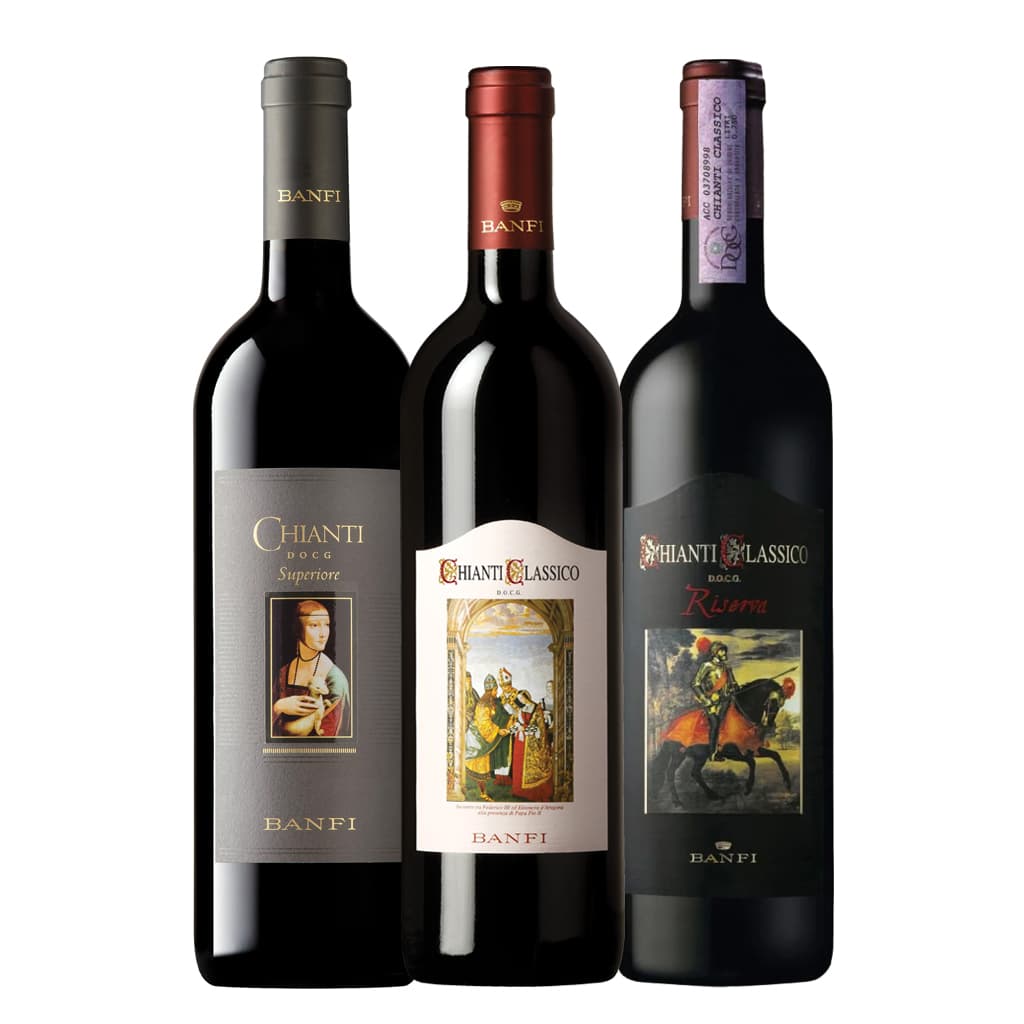
- Chianti Classico – From Tuscany in central Italy and made mainly from Sangiovese. It is a dry wine with notes of cherry and herbs and bright acidity. You can identify a bottle of Chianti Classico by the black rooster seal on its neck.
- Brunello di Montalcino – Also from Tuscany. Unlike Chianti, which can include other grapes, Brunello is made from 100% Sangiovese.
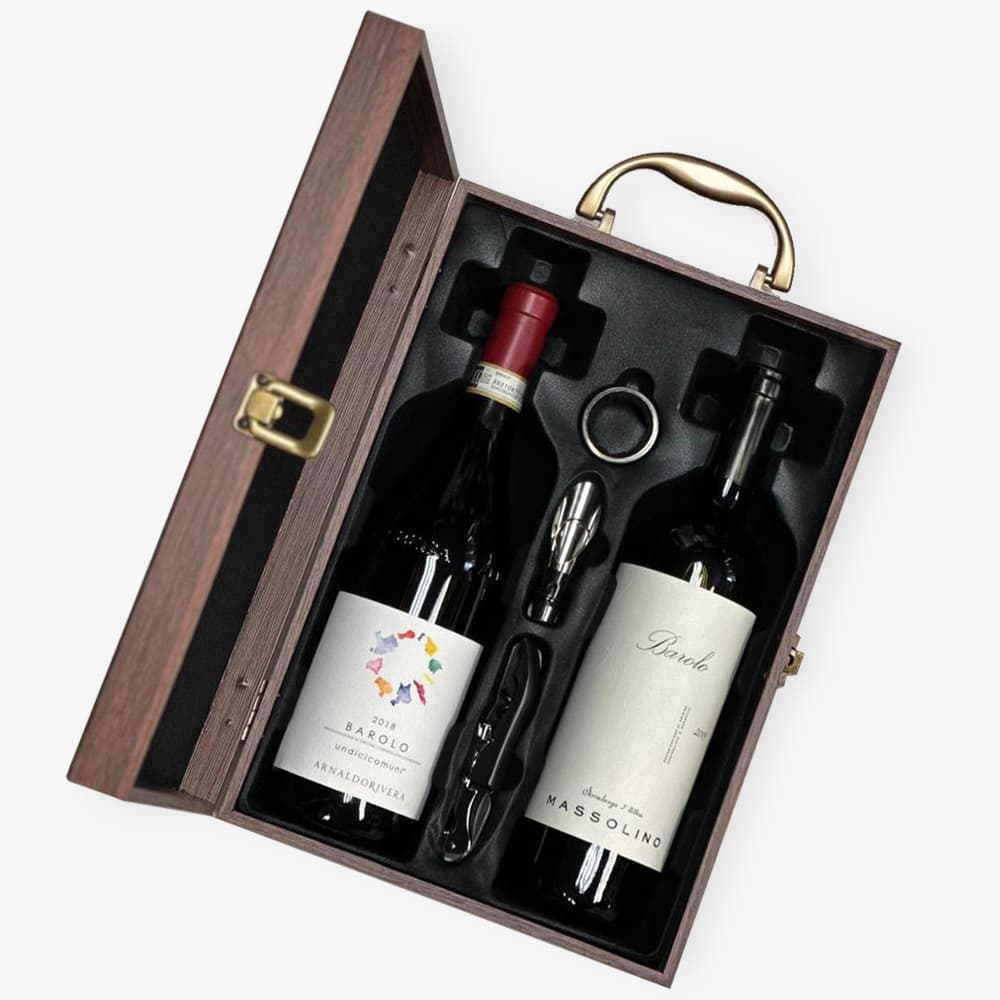
- Barolo – Piedmont’s “king of wines”, made from 100% Nebbiolo. Powerful, tannic and long-lived, with notes of cherry, roses and tar.
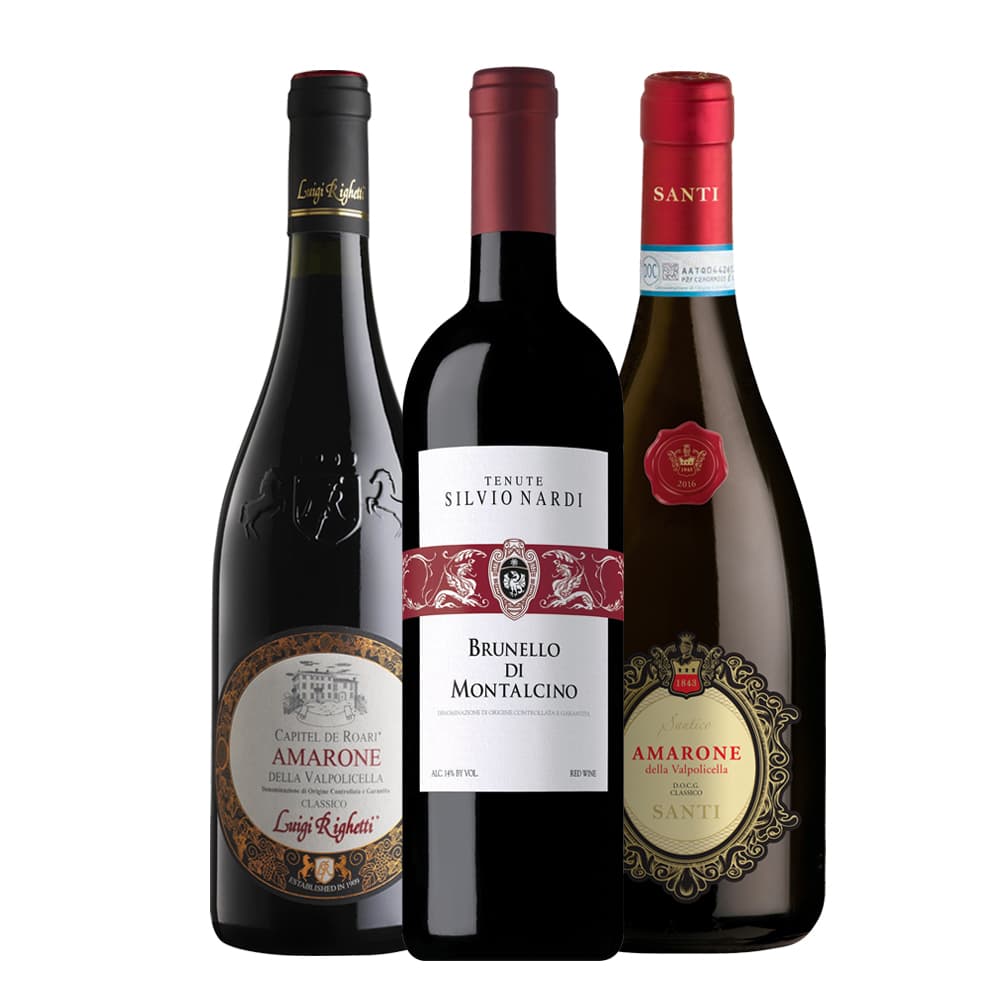
- Amarone della Valpolicella – A rich, full-bodied red from the Veneto, made mainly from Corvina grapes that are dried before fermentation to concentrate their flavor.
- Super Tuscans – High-quality Tuscan reds known for blending Sangiovese with international grapes such as Cabernet Sauvignon and Merlot, or using those grapes alone. They are bold and rich.
- Romagna Sangiovese (Sangiovese di Romagna) – From the Romagna area of Emilia-Romagna. Known for its ruby red color, with notes of cherry, plum and dried orange rind.
Italian White Wine
Italian whites are just as varied, ranging from fresh and citrusy to complex, long-aged fine wines. Here are some examples:
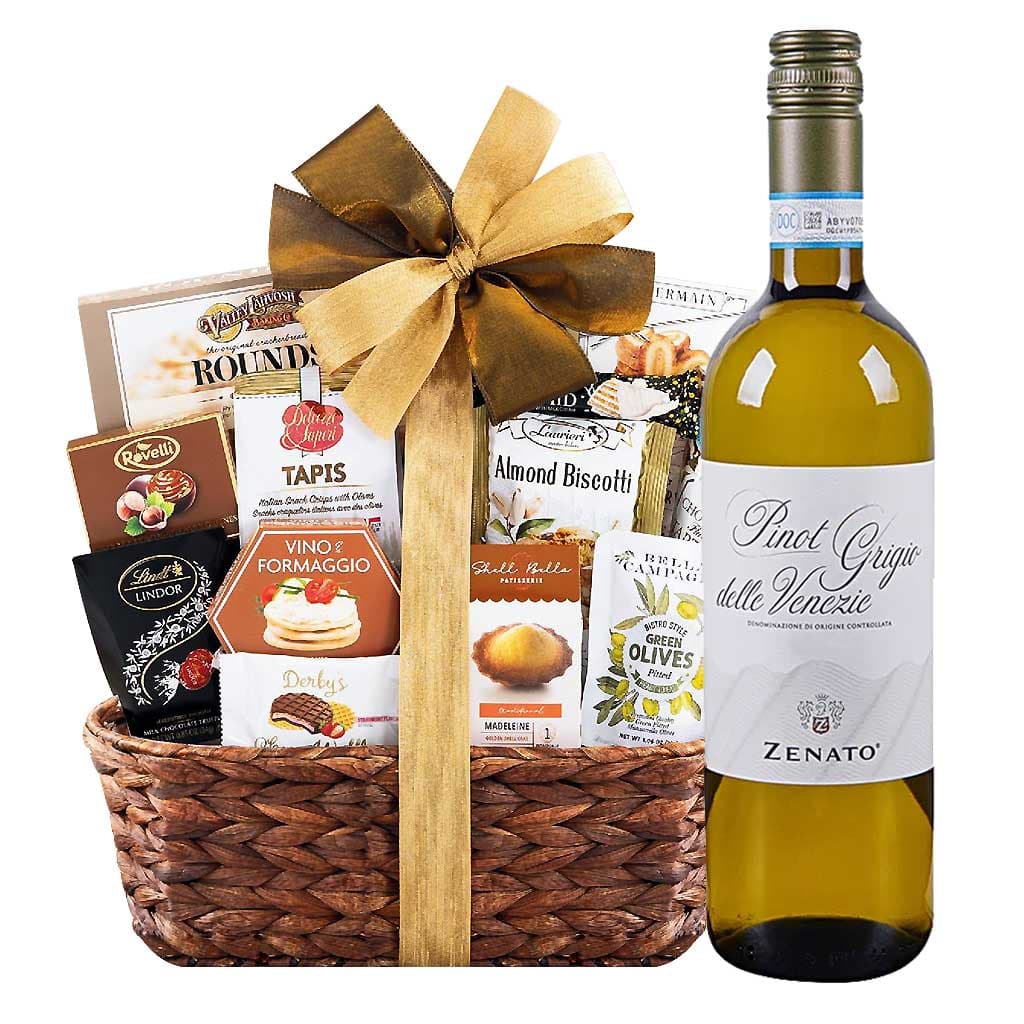
- Italian Pinot Grigio – Its color ranges from almost clear to pale yellow or slightly green. It is almost always dry, and is produced mainly in the Veneto, Friuli-Venezia Giulia and Alto Adige.
- Soave – A dry, crisp white from the Veneto, made mainly from Garganega, with notes of almond, flowers and, with age, beeswax.
- Vermentino – Grown in Sardinia, Liguria and coastal Tuscany. It is usually a soft, light-bodied white; when it undergoes malolactic fermentation, it can take on a rich, creamy texture like Chardonnay.
Italian Sparkling Wine
Italian bubbly is called frizzante when it’s gently sparkling and spumante when it’s fully sparkling. Unlike France, where Champagne dominates, Italy makes several famous sparkling wines, mostly in the north. See how they compare in our Prosecco vs. Champagne guide.
- Italian Prosecco – Made mainly from the Glera grape in the Veneto and Friuli. It is usually fully sparkling (spumante), sometimes lightly sparkling (frizzante), with flavors of green apple, honeydew melon, pear and white flowers. Its second fermentation takes place in a tank.
- Franciacorta – Often compared to Champagne for quality, it comes from Lombardy and is made by the traditional method, with a second fermentation in the bottle. Notes range from citrus and baked apple to almond and cream.
- Trentodoc – From the mountain vineyards of Trentino, near the Dolomites. It is also made by the traditional method.
Italian Rosé Wine
Italian rosés are light, crisp and versatile, making them everyone’s favorite. For more on the style, read our rosé wine guide. Here are some famous ones:
- Cerasuolo d’Abruzzo – Its name means “cherry-red”. Made from Montepulciano, it gets its color from brief contact with the grape skins during fermentation, like other rosés. Expect aromas of cherry, pomegranate, raspberry and sometimes almond.
- Rosato – The Italian word for rosé, made all over Italy. Well-known examples include Chiaretto from Lake Garda and Salento rosato from Negroamaro in Puglia.
Italian Dessert Wine
In Italy, sweet wines are called “vini dolci”, a sweet name for a sweet wine!
- Vin Santo – Known as “holy wine”, this famous Tuscan dessert wine is made from dried grapes, usually Trebbiano and Malvasia. It offers aromas of hazelnut, caramel and dried fruit.
- Moscato d’Asti (Italian Moscato) – Lightly sparkling (frizzante), light, aromatic and sweet, with notes of peach and honeysuckle. Learn more in our Moscato wine guide.
Famous Italian Wine Regions
Italy has 20 wine regions, which are often grouped into four geographic areas, each known for its own famous wines. Here are some examples:
1. Northwest Italy
This area spans the Alpine foothills and the Po Valley, which shape its grapes and wine styles. It is home to the historic cities of Milan, Genoa and Turin. Its famous wine regions include:
- Piedmont – Its capital is Turin, and its great vineyards lie in the Langhe and Monferrato hills, with the Alps as a backdrop. Its famous wines include Barolo, Barbaresco and Barbera.
- Lombardy – Known for the city of Milan and Lake Como. Its wines include Valtellina reds and Franciacorta sparkling wine.
- Liguria – One of Italy’s famous coastal regions, known for its seafood and the Italian Riviera. Grapes are grown on steep, rocky terraces, which is why it is known for “heroic viticulture”. It is best known for whites from Vermentino and Pigato, and reds such as Rossese.
Northwest Red Grape Varieties
- Nebbiolo – Its name comes from nebbia, meaning fog, because it is harvested in October, when fog blankets the region. It makes pale red wines with high tannin and acidity that turn brick-orange with age. It comes mainly from Piedmont and is the grape behind Barolo and Barbaresco.
- Barbera – Known for its naturally high acidity and low tannins, which make its wines mouth-watering. It is also a high-yielding variety.
- Dolcetto – In Italian, it means “little sweet one”, but its wine isn’t sweet! Dolcetto wines are soft, with low tannins and moderate acidity, and are best enjoyed young.
- Freisa – A grape whose name is often linked to strawberry. Mostly grown in Piedmont, it makes fine, juicy, high-acid wines with moderate tannins.
Northwest White Grape Varieties
- Moscato – The Muscat family has over 200 varieties, of which Moscato Bianco (Muscat Blanc) is the most famous. It grows throughout Italy, but Piedmont dominates production. It makes sweet, aromatic wines.
- Cortese – Mostly grown in south-east Piedmont, where it makes Gavi, and also in Lombardy and the Veneto. It makes light-bodied, high-acid whites. Though high-yielding, it needs careful growing to preserve its delicate aroma.
- Favorita – Grown mostly on the left bank of the Tanaro River in Piedmont. It makes light-bodied, high-acid wines with lemon and lime notes.
2. Northeast Italy
A tourist favorite, the Northeast is home to historic cities like Venice, Verona and Bologna. Its wines are shaped by Alpine climates and, in places, volcanic soils. Its renowned wine regions include:
- Veneto – Italy’s largest wine-producing region, with distinct areas for reds (Valpolicella), whites (Soave) and sparkling wine (Prosecco).
- Trentino-Alto Adige – Alto Adige (South Tyrol) makes crisp whites and reds such as Lagrein, while Trentino is home to Trentodoc sparkling wine and reds from Teroldego and Marzemino.
- Friuli-Venezia Giulia – Mostly produces white wines, including Pinot Grigio, Friulano and Sauvignon Blanc. Its premium reds include Merlot and Cabernet Franc.
Northeast Red Grape Varieties
- Corvina – The backbone of Valpolicella and Amarone, usually blended with Rondinella. Famous for its sour-cherry flavor, it makes bright red, light-bodied wines.
- Merlot – One of Italy’s most widely planted grapes, it thrives in the clay soils and temperate climate of Friuli-Venezia Giulia. Its wines have a dark ruby color and are mostly made to drink young, though some are aged.
- Cabernet Sauvignon – Grown in Friuli DOCs such as Friuli Grave and Collio, and often blended Bordeaux-style with Merlot and Cabernet Franc.
Northeast White Grape Varieties
- Pinot Grigio – Italy’s most famous white grape, making crisp, light-bodied dry wines with a lemon-zest aroma. Unlike most white grapes, which are greenish, its skins are pinkish-grey (grigio means grey).
- Garganega – An ancient variety grown mainly in Soave and Gambellara in the Veneto, and in Sicily (as Grecanico). It is one of Italy’s most widely planted white grapes, making both dry Soave and sweet Recioto di Soave from dried grapes.
3. Central Italy
Central Italy is a major cultural and geographical hub, home to Rome, the Tiber River, the Apennine Mountains and fertile plains. Let’s explore its main wine regions:
- Tuscany – The most important wine region in central Italy, home to Chianti Classico, Brunello di Montalcino and the Super Tuscans.
- Umbria – Bordering Tuscany, it is known as the “green heart of Italy” for its lush countryside. Its traditional wines include Sagrantino (red) and Orvieto (white).
- Marche – Lying between the Apennines and the Adriatic Sea, it makes a diverse range of reds, whites, sparkling wines and rosés, and is best known for Verdicchio.
- Abruzzo – Known for Montepulciano d’Abruzzo, a full-bodied red, and Trebbiano d’Abruzzo, a white.
Central Red Grape Varieties
- Sangiovese – Its name is said to come from the Latin sanguis Jovis, “the blood of Jupiter”, so you can imagine its color! Italy’s most planted red grape, it makes high-acid, cherry-scented reds, from everyday Chianti to long-lived Brunello, and is mostly grown in Tuscany.
- Montepulciano – Grown mainly in Abruzzo and Marche. It makes Montepulciano d’Abruzzo and the rosé Cerasuolo d’Abruzzo. It is a high-yielding variety that thrives in warm climates. Note: Vino Nobile di Montepulciano is a Tuscan wine named after a town and made from Sangiovese, not this grape.
- Sagrantino – Grown mainly in Umbria, around Montefalco. It makes deep, purple-hued wines and is known as Italy’s most tannic variety.
Central White Grape Varieties
- Verdicchio – Grown mainly in the Marche. Its wines have notes of almond and lemon, and its high acidity keeps them fresh for longer.
- Trebbiano – One of the world’s most widely planted white grapes, dominant in Italy and in France, where it is called Ugni Blanc. In Italy, it is widely grown in Tuscany, Umbria and Abruzzo, and it is also used to make traditional balsamic vinegar.
- Grechetto – Planted throughout central Italy, but mostly in Umbria, where it is a key grape in Orvieto. It is a great Italian alternative to unoaked Chardonnay or Pinot Grigio.
- Vernaccia and Malvasia Bianca Lunga – Well-known Tuscan varieties; Vernaccia makes the famous Vernaccia di San Gimignano.
4. Southern Italy
Our final area, southern Italy, is also known as the “Mezzogiorno”, and includes the islands of Sicily and Sardinia. Here are its famous wine regions:
- Sicily – Produces a diverse range of wines, from rustic reds to crisp whites, in a warm Mediterranean climate. Examples include Nero d’Avola, Nerello Mascalese, Frappato and Zibibbo (Muscat of Alexandria).
- Puglia – A coastal region with a hot, dry Mediterranean climate and many wine areas producing large volumes of wine. Examples include Primitivo di Manduria, Salice Salentino and Castel del Monte.
- Campania – A coastal region with mountainous terrain and a warm Mediterranean climate. Its wine areas include Irpinia, Sannio, Caserta and the coast.
Southern Red Grape Varieties
- Aglianico – A dark-skinned grape grown mainly in Campania and Basilicata, where it makes Taurasi and Aglianico del Vulture. Its high acidity and tannins give it excellent aging potential.
- Negroamaro – Grown in Puglia, it makes medium- to full-bodied reds with notes of blackberry, black cherry and plum.
- Nero d’Avola – Sicily’s signature red grape, offering soft tannins, plum flavors and sometimes a peppery note.
- Primitivo – Genetically the same grape as California’s Zinfandel, it makes ripe, full-bodied reds in Puglia, most famously Primitivo di Manduria.
Southern White Grape Varieties
- Fiano – Grown in Campania, most famously as Fiano di Avellino. It makes fuller-bodied whites with a nutty character, a rich alternative to lighter, crisper whites.
- Greco – Best known as Greco di Tufo; the grape is believed to have originated in Greece. Its wines offer citrusy, herbal and spicy flavors.
- Grillo – Grown in Sicily, with notes of lime, lemon and pear, sometimes pineapple, and hints of herbs and wildflowers.
Understanding Italian Wine Labels: DOCG, DOC and IGT
Italian labels carry a quality classification that tells you how strictly a wine is regulated:
- DOCG (Denominazione di Origine Controllata e Garantita) – The highest level, with the strictest rules on grapes, yields and aging, e.g. Barolo, Brunello di Montalcino and Chianti Classico.
- DOC (Denominazione di Origine Controllata) – Controlled origin, with rules on grapes, yields and aging, e.g. Montepulciano d’Abruzzo.
- IGT (Indicazione Geografica Tipica) – A regional category with more flexible rules, where many Super Tuscans began.
- Vino – Basic table wine with no geographic origin stated.
Learn more in our guide to DOCG wines.
How to Choose the Right Italian Wine
Enough facts and information! Let’s move on to something delicious: crisp whites and full-bodied reds in colors that will make your eyes thirsty, rosés, and sweet wines waiting for you to sip them slowly.
Whether you’re torn between dry and sweet or light and bold, here’s how to choose the perfect Italian wine. Consider three things: the food you’re pairing it with, the occasion you’re hosting, and whether you want a bold, full-bodied mouthfeel or a light, crisp one.
Sweet vs. Dry
- Sweet wines – If you like a juicy, fruity, smooth profile, choose an off-dry or sweet wine such as Moscato d’Asti. Sweet wines pair well with desserts and with spicy dishes.
- Dry wines – If you don’t have a sweet tooth, choose a dry wine. Dry whites feel crisp and refreshing, while dry reds give a strong, structured mouthfeel. They pair well with savory foods like roast chicken, grilled vegetables or tomato-based dishes. Try Pinot Grigio or Chianti.
Light vs. Bold
- Light wines – Lighter in body, usually with lower alcohol and fresh acidity (see how much alcohol is in wine). They pair perfectly with light foods like salads, seafood and creamy cheeses. Try Prosecco, Soave, or an Aperol Spritz made with Prosecco.
- Bold wines – Higher in alcohol with more mouth-filling tannins, they pair well with rich foods like red meat and cheesy pasta. Here you’ll find premium wines like Barolo and Amarone.
Occasion-Based Selection
- Casual gatherings – For a simple barbecue, choose a light bubbly like Prosecco, an approachable white like Pinot Grigio or Sauvignon Blanc, or a medium-bodied red like Barbera.
- Formal dinners – Start with a crisp white like Vermentino, then move on to bold, rich reds like Brunello or Barolo.
- Celebrations – Sparkling wines like Prosecco and Franciacorta are perfect for toasts.
Food Pairing Basics
- Golden rule – Match the weight of the wine to the richness of the food. For example, pair Chianti with tangy tomato sauces, and a crisp white like Vermentino or Sauvignon Blanc with lemon-garlic seafood.
- Opposites attract – A high-acid wine like Barbera cuts through fried foods such as fried chicken or fritto misto.
- Desserts – Choose a wine sweeter than your dessert, or the wine will taste thin and flat. Try Moscato or Vin Santo.
- Spicy foods – Avoid very bold reds, as chilli heat can make tannin and alcohol taste harsh and bitter. A white such as Pinot Grigio or Soave is a smarter choice.
For dish-by-dish ideas, see our Italian wine and food pairing guide.
Quick Recap
- Choose the food you are pairing with.
- Identify its main flavors.
- Mind the occasion.
- When in doubt, follow the golden rule: match the wine’s weight to the food’s.
Price Guide
Here’s a quick price and style comparison to help you buy for yourself or choose a gift for your loved ones.
| Wine Type / Example | Style | Quantity and Price (Approximate) |
|---|---|---|
| La Marca Prosecco, Lamberti Prosecco, Maschio Prosecco | Sparkling wine | Single bottle, $39 to $89; personalised/handcrafted up to $99 |
| Massolino Barolo Serralunga | Dry red wine from Nebbiolo | $119 to $189, with premium Riedel glasses or a gift basket |
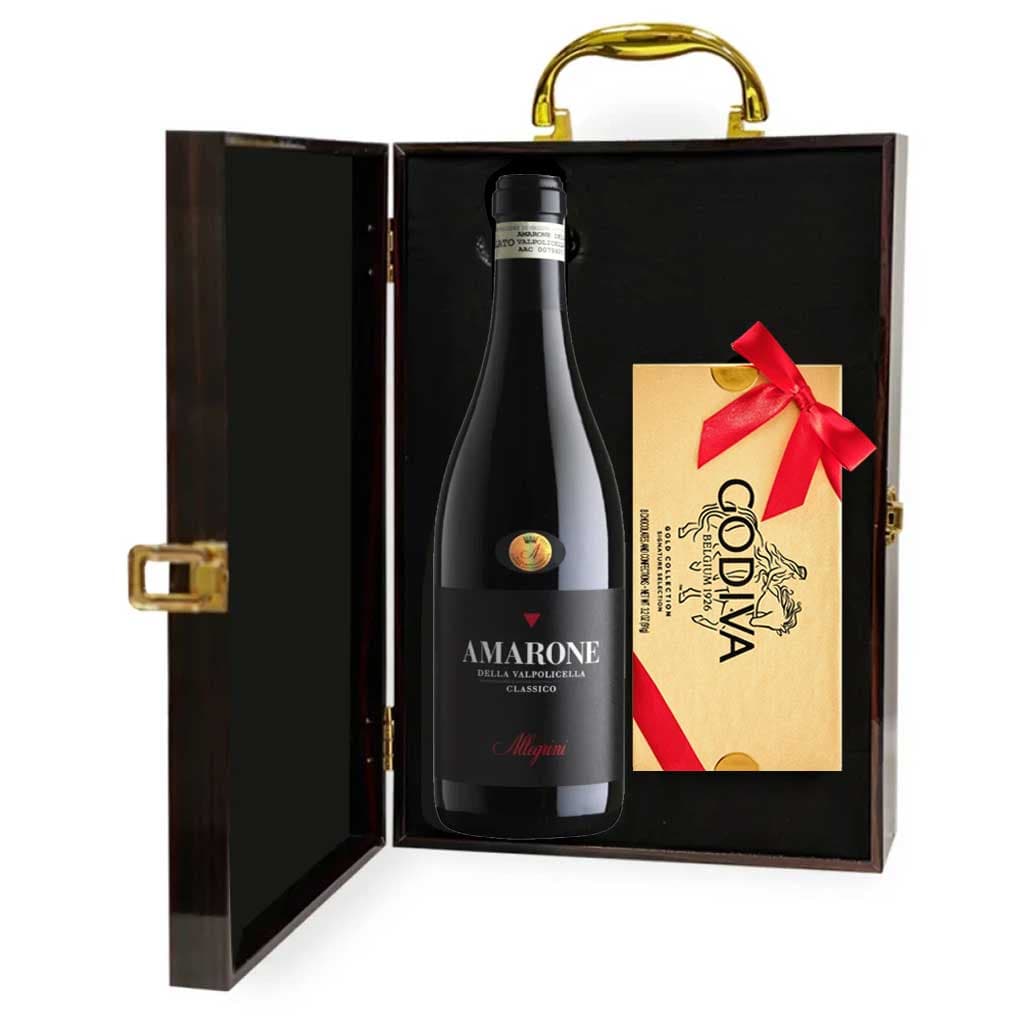
| Amarone della Valpolicella Classico | Dry, full-bodied red wine | Single bottle $119, with chocolates |
| Arnaldo Rivera Barolo | Full-bodied red, 100% Nebbiolo | Single bottle, $129 |
| Banfi Chianti | Red wine | 3 bottles, $50 to $129 |
| Banfi Rosso di Montalcino | Red wine, 100% Sangiovese | $79 to $89, with a chocolate box |
| Moscato | Sweet, lightly sparkling white wine | $29 to $139, depending on brand and basket or box size |
| Luigi Righetti Capitel de Roari Amarone della Valpolicella Classico | Full-bodied red wine | $79 to $159 |
Explore more with our Italian gifts, Moscato wine gifts, French vs. Italian wine and top wine grape varieties guides.
Best Italian Wines to Try
Here’s a quick list of the Italian wines covered in this guide:
- Red wines: Chianti Classico, Brunello di Montalcino, Barolo, Amarone della Valpolicella, Super Tuscans, Montepulciano d’Abruzzo, Romagna Sangiovese.
- White wines: Italian Pinot Grigio, Soave, Vermentino, Verdicchio, Fiano.
- Rosé wines: Cerasuolo d’Abruzzo, Chiaretto, Salento rosato.
- Sparkling wines: Prosecco, Franciacorta, Trentodoc.
- Dessert wines: Moscato d’Asti, Vin Santo.
Frequently Asked Questions
What is Italy’s most popular wine?
Prosecco is Italy’s best-selling wine by volume. Among reds, Chianti is the most iconic, and Pinot Grigio is its best-known white.
What is the best Italian wine I should try?
It depends on your taste, food and occasion. Versatile options like Chianti or Moscato d’Asti work any time.
What are the names of the 10 most famous Italian wines?
Chianti Classico, Brunello di Montalcino, Super Tuscans, Barolo, Amarone, Prosecco, Italian Pinot Grigio, Soave, Montepulciano d’Abruzzo and Moscato d’Asti.
What is the best Italian wine for beginners?
Start with approachable options: Prosecco (sparkling), Italian Pinot Grigio (crisp white) or Montepulciano d’Abruzzo (medium-bodied red).
Buy or Gift Italian Wines Online
Looking to buy or send Italian wine gifts? Explore our curated Italian wine gift sets at DC Wine & Spirits, your destination for authentic Italian wines delivered across the USA.