

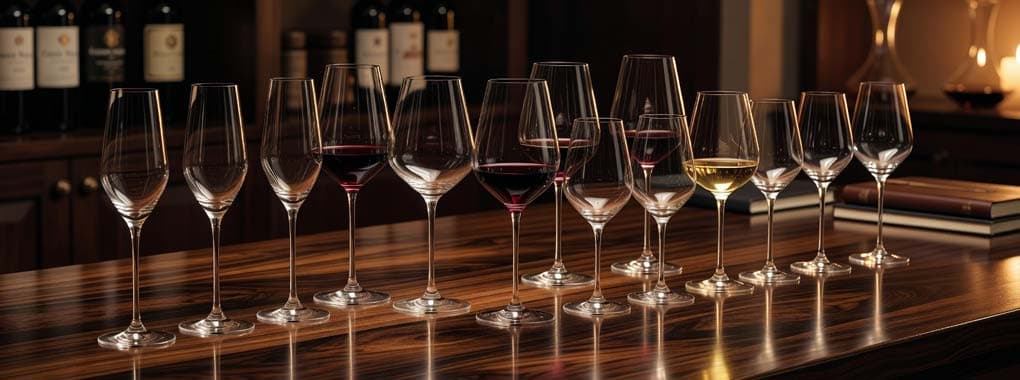
If you are new to wine, building a collection of wine glasses can feel as intimidating as building a cellar or curating a collection of good wines to enjoy over time. Walk into a wine store and you will find an army of glasses designed for specific wines — shaped around grape varieties and wine styles like Cabernet Sauvignon, Pinot Noir, Chardonnay, Riesling, Champagne, and many more. The selection can vary by region too, as wine styles differ significantly depending on where the grapes are grown.
The obvious question is: do beginners really need a separate glass for every wine style?
The short answer is no. For most wine drinkers, a high-quality universal wine glass is a great place to start. It offers complete practicality and excellent performance across a wide range of wines. However, for certain very complex or distinct wine styles, dedicated glasses can elevate the tasting experience.
In this guide, we will explore the differences between universal and varietal-specific wine glasses, their advantages and limitations, and which option makes the most sense for beginners — along with what to look for and how much to spend.
Why Does Wine Glass Shape Matter?
A wine glass is more than a vessel that holds wine while you savour it. The shape of the bowl, the diameter of the rim, and the overall size of the glass all influence how aromas are captured and delivered to your nose. Since aroma contributes significantly to how we perceive flavour, the right glass can genuinely enhance your wine drinking experience. According to Wine Folly, the shape of a glass controls how much wine you smell relative to how much you taste — making it one of the most underappreciated tools in wine enjoyment.
A good wine glass should:
- Concentrate aromas toward the rim
- Highlight fruit characteristics
- Balance acidity and tannins
- Encourage comfortable swirling and aeration
- Improve the overall tasting experience
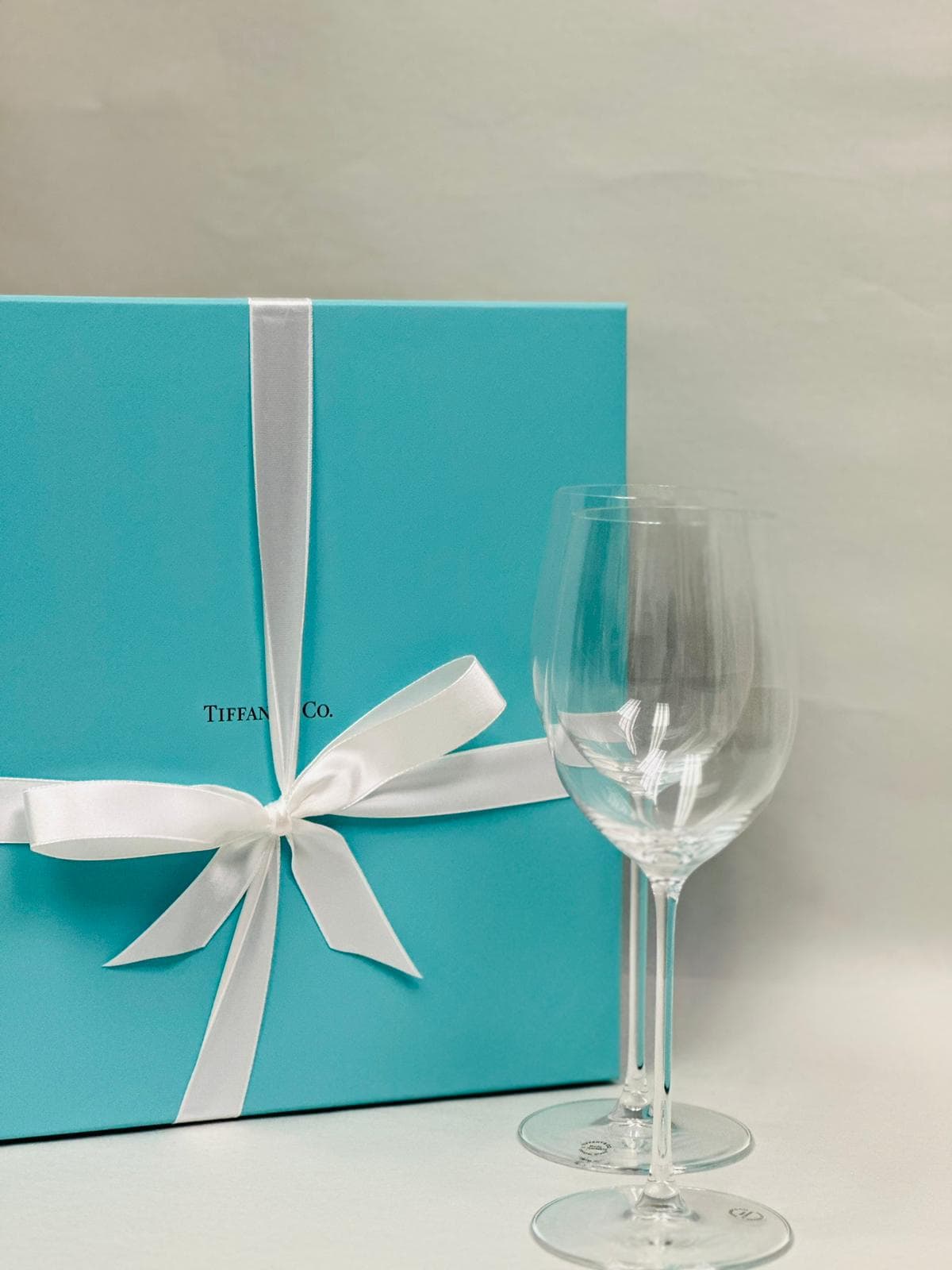
That said, the difference between a good wine glass and a poor one is often more noticeable than the difference between two highly specialised glasses. So before diving into the world of varietal stemware, getting one great all-purpose glass is the smarter first move. If you would like to explore some special wine glasses for gifting or occasions, we have a curated selection to explore.
Crystal vs. Regular Glass — What Should Beginners Know?
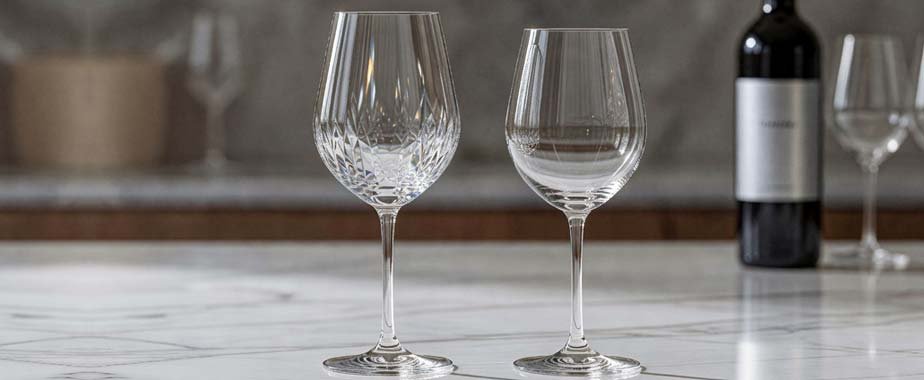
You will often see wine glasses labelled as crystal or lead-free crystal alongside standard glass options. Here is what the distinction means in practice:
- Regular glass — Non-porous, inert, dishwasher-safe, and very durable. Does not absorb odours or corrode over time. The most practical choice for everyday use.
- Lead crystal — Contains minerals that allow glass to be spun thinner, especially at the rim, creating a more elegant drinking experience. However, it is heavier and should typically be handwashed.
- Lead-free crystal (Tritan) — The best of both worlds. Thin, lightweight, and often dishwasher-safe. Brands like Schott Zwiesel use Tritan crystal, which is highly durable without the weight of leaded glass. This is the recommended option for most beginners.
For a first set of wine glasses, lead-free crystal is an excellent investment — durable enough for everyday use, refined enough to genuinely improve the tasting experience.
What Is a Universal Wine Glass?
A universal glass, as the name suggests, is designed to work well with most wine styles rather than being tailored to a specific grape variety. It typically features:
- A medium-sized bowl
- A gently tapered rim
- Sufficient space for comfortable swirling
- Balanced proportions suitable for both red and white wines
Whether you are drinking Sauvignon Blanc or Chardonnay, Merlot or Pinot Noir — a universal wine glass delivers a consistently enjoyable experience. This matters a great deal for most wine enthusiasts, who do not exclusively drink one style.
Benefits of a Universal Wine Glass
1. Cost-Effective
Buying separate glasses for every wine style can quickly become expensive. A quality universal glass allows you to enjoy a broad range of wines without investing in multiple stemware sets.
2. Easier Storage
Most modern homes have limited cabinet space. Instead of storing red wine glasses, white wine glasses, Champagne flutes, and fortified wine glasses separately, one versatile design saves space and simplifies organisation considerably.
3. Perfect for Mixed Wine Drinking
A universal glass works equally well for red wines, white wines, rosé wines, and even sparkling wines — though a flute or tulip glass will hold bubbles for longer if Champagne is your regular go-to.
4. Great for Learning
When you are starting your wine journey, the focus should be on understanding wine styles, regions, and grape varieties — not worrying about matching every bottle to a different glass. A universal glass lets you explore wine for beginners confidently, without distraction.
5. Ideal for Entertaining
Hosting becomes much simpler when every guest uses the same glass, regardless of what wine they are drinking. Having to source six different glass types for one evening is impractical and unnecessary.
What About Stemless Wine Glasses?
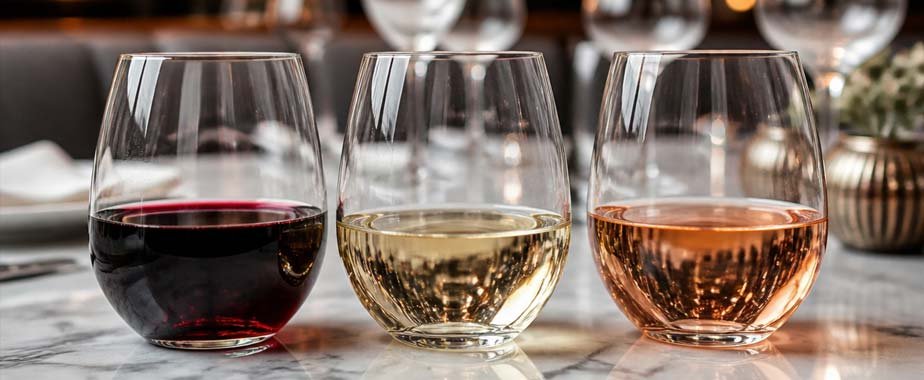
Stemless wine glasses have become popular for casual entertaining — they are stable, stackable, and far less likely to tip over. They are also easier to store and generally more dishwasher-friendly.
The trade-off: without a stem, your palm warms the wine more quickly. Whites and rosés, which are best served at 48–55°F (9–13°C), can lose their ideal temperature faster when cupped in your hand. Reds fare slightly better since they are served at a warmer 60–65°F (15–18°C).
Recommendation for beginners:
- Start with stemmed glasses for tasting and dinner table use — they preserve temperature and keep fingerprints off the bowl.
- Add a set of stemless glasses later for outdoor gatherings, casual occasions, or poolside drinking.
What Are Varietal-Specific Wine Glasses?
Varietal-specific glasses are designed around the characteristics of particular wines. According to Wine Enthusiast, the right glass shape genuinely does make a measurable difference for certain wine styles — though for most everyday drinkers, a universal glass covers 90% of scenarios.
Red Wine Glasses
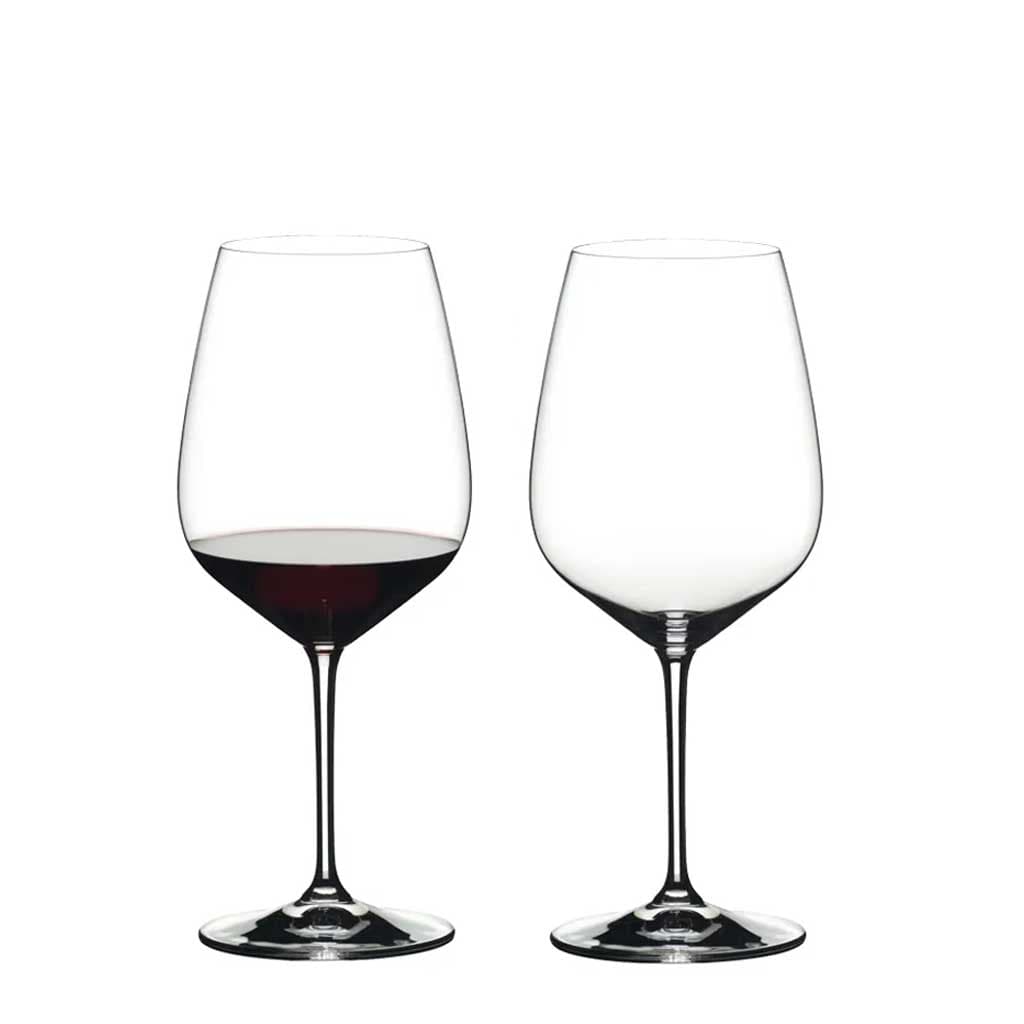
Larger bowls encourage aeration, allowing complex wine notes to open up and helping to soften tannins. Common examples include:
- Cabernet Sauvignon glasses
- Bordeaux glasses
- Pinot Noir glasses
- Burgundy glasses
White Wine Glasses
Smaller bowls help preserve freshness and concentrate delicate aromas. Common examples include:
- Chardonnay glasses
- Sauvignon Blanc glasses
- Riesling glasses
Sparkling Wine Glasses
Designed to preserve bubbles and showcase freshness. Options include:
- Champagne flutes — tall and narrow, retains bubbles the longest. Best for everyday sparkling wine enjoyment.
- Tulip glasses — slightly wider than a flute, allowing a bit more aroma expression. A great all-round sparkling option.
- Coupe glasses — the vintage, saucer-shaped style you see at cocktail bars. Beautiful, but bubbles dissipate quickly. Ideal for cocktails or Champagne towers at events.
Advantages of Separate Wine Glasses
- Enhanced aromatic expression — Pinot Noir benefits from a wider bowl that enhances delicate aromas; Cabernet Sauvignon appears more structured in a balloon-shaped bowl; aromatic whites like Riesling become very expressive in narrower designs.
- Better precision in professional settings — Dedicated glasses allow sommeliers and experienced tasters to identify subtle differences in aroma, texture, and flavour.
Limitations of Separate Wine Glasses
- Higher cost — Building a complete stemware collection is a significant investment.
- More storage space required — Multiple glass styles need dedicated storage and careful handling.
- Increased risk of breakage — High-quality stemware is delicate — more glasses means more opportunities for accidents, especially in a home with young children.
- Limited benefit for casual drinkers — For everyday wine enjoyment, the differences may not always justify the additional investment.
Universal Wine Glass vs. Separate Wine Glasses: Which Is Better?
| Factor | Universal Wine Glass | Separate Wine Glasses |
|---|---|---|
| Cost | Lower | Higher |
| Storage | Easy | Requires more space |
| Versatility | Excellent | Limited to specific styles |
| Beginner Friendly | Excellent | Can be overwhelming |
| Entertaining | Convenient | Less practical |
| Precision | Good | Excellent |
| Professional Tastings | Acceptable | Preferred |
The Best Wine Glass for Beginners
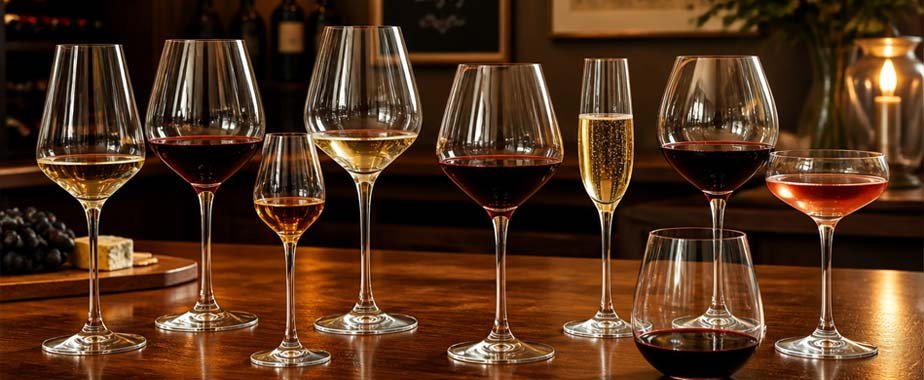
If you are buying your first set of wine glasses, start with a high-quality universal glass. The features that matter most are:
- Thin rim — A thinner rim provides a more elegant and unobstructed drinking experience. The wine flows more naturally onto the palate.
- Medium bowl size — Large enough to aerate a red wine, but not so large that a white wine loses its freshness and chill.
- Clear, thin material — Transparency lets you appreciate the wine's colour and clarity. Lead-free crystal is ideal; quality regular glass works perfectly well too.
- Comfortable stem — A stem prevents your palm from warming the wine and keeps the bowl free of fingerprints.
- Dishwasher compatibility — If you choose regular glass or Tritan crystal, look for a dishwasher-safe label. This matters for everyday ease of use.
Budget Guide
| Tier | Price (per stem) | Best For | Examples |
|---|---|---|---|
| Budget | $10 – $20 | Casual everyday drinking | Stolzle, IKEA 365+ |
| Mid-Range | $20 – $50 | Home entertaining & gifting | Riedel O Series, Schott Zwiesel |
| Premium | $50+ | Serious tasting, gifting | Riedel Vinum, Gabriel-Glas |
Our honest recommendation: spend $20–$35 per stem on lead-free crystal from Riedel or Schott Zwiesel. This range gives you everything a beginner needs — thin walls, a comfortable stem, great clarity, and durability that holds up to regular use. VinePair's sommelier survey confirms that most wine professionals use Riedel or Schott Zwiesel at home for exactly this reason.
What Glass Do Wine Professionals Use?
Wine educators, sommeliers, and wine judges often reach for multiple glass styles during formal tastings. However, many professionals keep it simple at home — a single high-quality universal glass is the everyday standard for most, keeping things fuss-free without sacrificing enjoyment.
Modern universal glasses have become remarkably sophisticated. A well-made universal glass can perform exceptionally well across different wine categories, and for most drinkers, it is genuinely all you need. Even the standard ISO/INAO tasting glass used in professional blind tastings worldwide is, at its core, a universal design — proof that one shape can serve many wines.
How to Care for Your Wine Glasses
A few simple habits will keep your glasses looking beautiful and performing well:
- Handwash crystal glasses with warm water and a drop of unscented soap — dishwasher heat and detergents can cloud leaded crystal over time.
- Lead-free crystal and quality glass are generally dishwasher-safe — check the manufacturer's label before putting them in the machine.
- Rinse glasses thoroughly — soap residue affects both taste and the bubbles in sparkling wines.
- Dry with a lint-free microfibre cloth rather than a cotton tea towel to avoid streaks and fibres inside the bowl.
- Store upright or hang inverted on a rack — never store glasses rim-down on a hard surface, as this can chip the most delicate part of the glass.
- Never twist the bowl and stem in opposite directions when drying — this is the single most common cause of breakage.
Frequently Asked Questions
Can I use one glass for all wines?
Yes. A high-quality universal wine glass handles red, white, rosé, and most sparkling wines very well. The biggest trade-off is with very fizzy Champagne, where a flute retains bubbles longer — but for everyday enjoyment, one glass is genuinely enough.
Are stemless wine glasses OK for beginners?
Yes, though stemmed glasses are better for tasting and temperature control. Stemless options are great for casual outdoor settings — just be aware that your hand warms the wine faster, which is more noticeable with whites and rosés.
How many wine glasses do I need?
Start with six to eight universal glasses — enough for a dinner party without running out. You can always expand your collection as your palate and preferences develop.
What is the difference between crystal and regular glass wine glasses?
Crystal (especially lead-free Tritan crystal) can be spun thinner than regular glass, giving you a finer rim and better clarity. Regular glass is non-porous, inert, and very dishwasher-friendly. For most beginners, lead-free crystal at a mid-range price offers the best balance of both.
What is the best beginner wine glass brand?
Riedel's O Series and Vinum range, and Schott Zwiesel's Tritan Pure Collection are widely recommended for beginners. Both offer excellent quality at accessible price points and are available at DC Wine & Spirits.
Final Thoughts — Universal or Separate Wine Glasses?
For beginners, the answer is clear: a high-quality universal wine glass offers the best combination of performance, value, versatility, and convenience. It allows you to explore almost every wine style — learning and enjoying — without unnecessary complexity or expense.
As your palate develops and your collection grows, you may decide to add a dedicated Pinot Noir glass or a Champagne flute for wines you love most. But that is a chapter for later. For now, one excellent universal glass is all you need to start enjoying wine the right way.
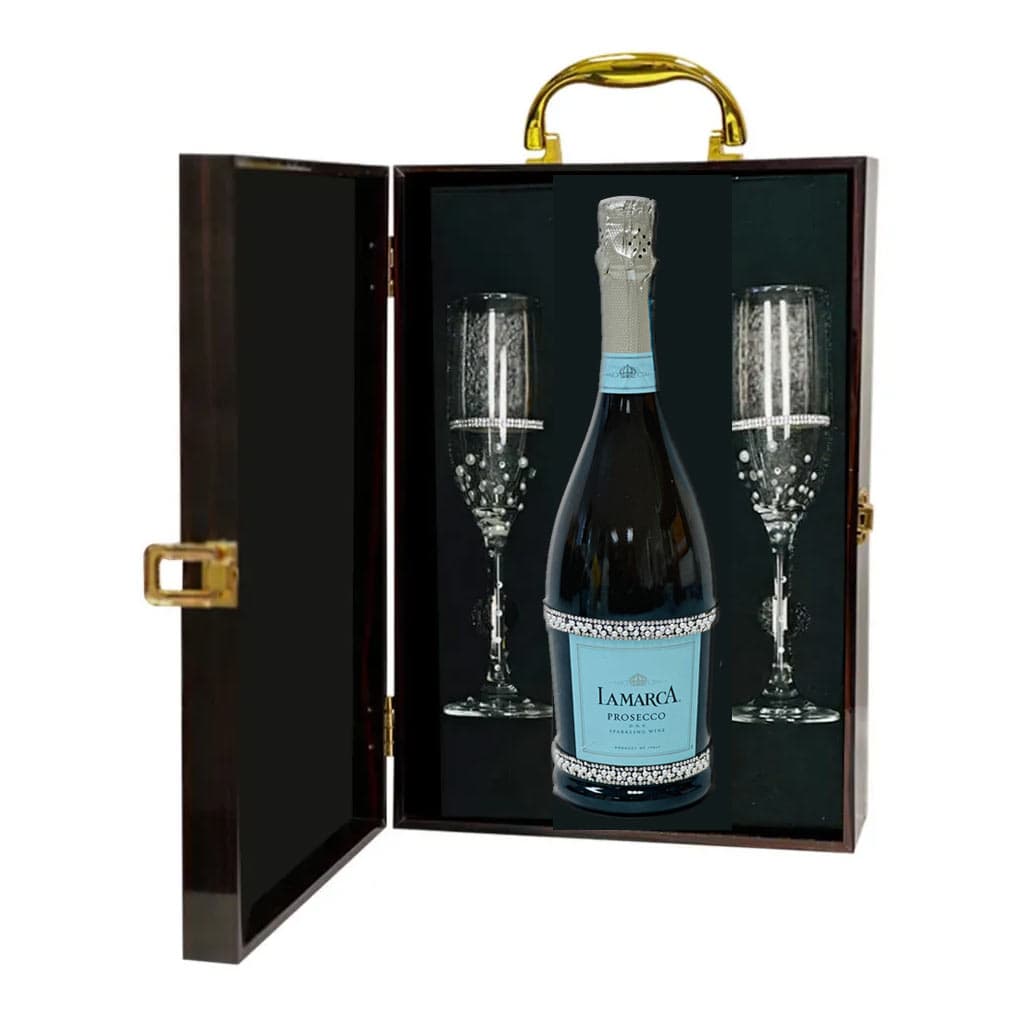
Looking for a great gift for a wine-loving friend? A beautiful universal glass set or an exclusive wine glass and bottle gift set makes for a stunning and elegant present that any wine lover will genuinely appreciate. Explore our guide to wine gift ideas for more inspiration.
The best wine glass is ultimately the one that encourages you to pour again and enjoy — whether in great company or in quiet, soothing solitude. Keep exploring and enjoying every glass.