





















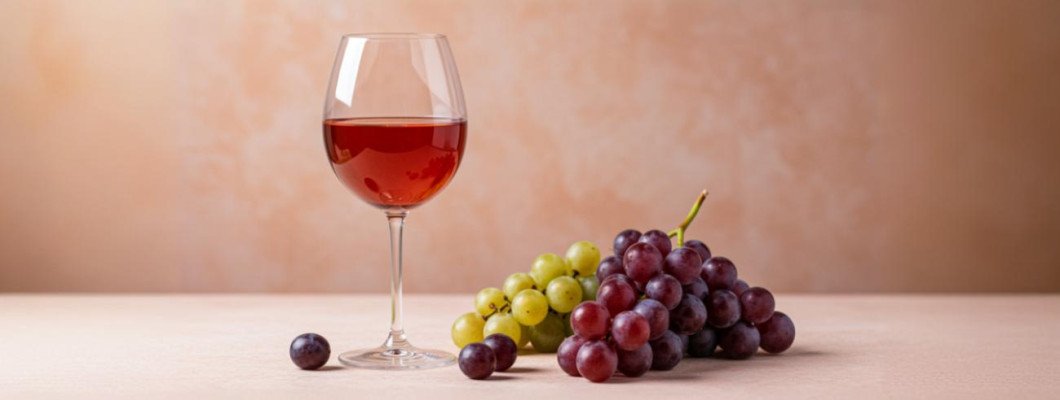
Rosé is a pale pink hued wine that has become synonymous with resort life and sunny environs of Italy and south of France. Rosé wine typically has light, fruity flavours, refreshing acidity, and at times a subtle sweetness, making it a well loved choice for folks who like fruity, easy drinking styles of wine.
Whether you’re clinking glasses on a sunny terrace in Provence or pairing rosé with a weekend brunch at home, it really bridges the gap between red and white wine with its pink, playful charm and refreshing flavours.
But, what exactly is rosé, how is it made, and what makes it so irresistible? Let’s uncork the rosé essentials.
What Is Rosé Wine?
Rosé wine is always made from black grapes, but the skin contact period (time grape juice and skins remain together) is much shorter than in red winemaking—short skin contact also called short maceration results in that signature pale pink colour and lighter, more fruitier flavours that are classically desired on a rosé wine. Short Maceration also makes rosé wines lighter in body and tannins, while still retaining the fruit forward character of wine.
Contrary to what many assume, rosé wine typically isn’t a mix of red and white wine. Although there are exceptions—certain sparkling wines like Rosé Champagne or still wines from specific regions where blending is permitted—it is truly a category of its own, crafted with artistry and intention. While it sits comfortably between a crisp white and a bold red, it is just one of the many types of wine that every enthusiast should explore to find their perfect palate.
How Is Rosé Wine Made?
Rosé is produced mainly using three methods :
- Short Maceration — Skins of black grape varieties are kept in contact with juice for a short time, resulting in extraction of a pale, blush-pink colour and light fruity flavours.
- Saignée Method — This term literally means “bleeding off”. During red winemaking process, juice is bled off the skins early, before it gets the deep ruby hues and intense flavours. Bled off juice ferments to a light coloured and flavoured rosé.
- Blending Method — Mostly used in production of Rosé Champagne, this method involves blending a small amount of red wine with white base wine for Champagne to achieve a delicate pink hue.
Is Rosé Red or White Wine?
This is one of the most common questions I get asked — is rosé red or white wine? The answer I say is — it's a bit of both, but neither. Rosé wine sits right between red and white wine, it has the freshness of white wines and fruit forwardness of red wines. Rosé is universally loved for its freshness and versatility.
Rosé vs. Red vs. White: The Best of Both Worlds
While white wines are fermented without skin contact for a crisp, acidic profile, and red wines undergo long maceration for deep color and tannins, rosé finds the perfect middle ground. It offers the chilled, easy-drinking nature of a white wine but carries the red fruit soul of a red grape. Understanding the nuances of these styles can help you pick the perfect bottle for any occasion; for a deeper dive into how the two pillars of the wine world compare, check out our red wine vs. white wine guide.
At a Glance: How Rosé Compares
| Feature | White Wine | Rosé Wine | Red Wine |
|---|---|---|---|
| Grape Color | Green / Yellow | Black (Usually) | Black |
| Skin Contact | None (Juice only) | Brief (Hours to Days) | Long (Weeks) |
| Tannins | Very Low | Low | Medium to High |
| Serving Temp | Chilled (7-10°C) | Chilled (8-12°C) | Room Temp (15-18°C) |
| Aging Potential | Best enjoyed young | Drink fresh (1-2 years) | Can age for years |
| Main Flavors | Citrus, Apple, Tropical | Strawberry, Citrus, Melon | Cherry, Plum, Spice |
Is Rosé Wine Sweet?
Rosé has many avatars — from bone dry, crisp Provence Rosés to sweet and easy-going White Zinfandel from California. If you’re just about starting afresh —its always a good idea to check the label for wine’s region of origin, ask the store associates and always have a copy of this rosé wine guide at hand. In general - European rosés like the ones from Navarra DO in Spain and Provence in south of France are lean and dry, new world rosés like Californian white zinfandel and some other regional styles tend to be more fruitier and sweeter.
What Does Rosé Wine Taste Like?
Tasting notes of rosé wine depend on the grape variety used, region of origin and on the production method used. But reaching out for those beautifully hued rosé wines, you can mostly expect notes of fresh red fruits like strawberry, raspberry, and floral undertones at times. A dry rosé wine will taste fresh and zesty, while a sweet rosé wine will showcase lush, candied fruit on the palate.
Rosé Champagne - The Sparkling Pink Star
Rose Champagne holds a special place when it’s time for celebrations. So, let’s understand—is rosé Champagne different to regular Champagne? As we know by now, rosé champagne is made by a special method that blends red and white wines or by short maceration technique. The result either way is—elegant, festive, and slightly more fruit forward sparkling wine as compared to Champagne. Its vibrant character also makes it a sophisticated base for a variety of wine and champagne cocktails.
Another question that commonly confuses a lot of folks—is rosé a wine or champagne? Well, it simply depends on the style. If it’s a still wine (no CO2 bubbles) in question, we’re looking at a still rosé wine. Whereas, if it’s a rosé champagne, champagne being a sparkling wine, it is a sparkling style of rosé. And because this is a sparkling wine made in the champagne region of France, it is by law known as Rosé Champagne.
Calories In Rosé Wine?
So, is rosé wine good for you? In moderation, yes. Like red wine, rosé wine also contains antioxidants such as resveratrol, which may support heart health. Rosé wine is typically lower in alcohol and thus overall calories are lesser as compared to most red and some white wines.
If you’re keeping a tab on the calorie count, here’s a quick breakdown:
- Calories in a glass of rosé wine (150 ml) : 100 to 125 calories depending on the level of sweetness.
- Calories in a bottle of rosé wine (750 ml) : approximately 500-650 calories depending on the sweetness level.
- Dry rosé wines will always have fewer calories, while sweeter styles with their higher residual sugar will have a considerably higher calorie count.
- Rosé wines generally lean towards low to medium level of alcohol. Stick to a lower ABV percentage to slash the calorie count further.
Also Know: Calories in Red Wines
Rosé Food Pairing Guide
Rosé is one of the most food -friendly wines on the planet. Its versatility bridges the freshness of white wines and the structure and fruit of red wines, making it a natural match for countless dishes.
Here’s a quick guide to help you pair your favourite bottle perfectly:
| Rosé Style | Flavor Profile | Best Food Pairings |
|---|---|---|
| Dry Rosé (Provence, Rioja, Navarra, Tavel) | Crisp, mineral, citrusy, with red berry notes | Grilled seafood, Niçoise salad, sushi, roasted vegetables, herbed chicken |
| Medium Rosé (Grenache, Sangiovese) | Fruity, floral, balanced acidity | Mediterranean dishes, charcuterie, pasta with tomato sauce, soft cheeses |
| Sweet Rosé (White Zinfandel, Pink Moscato) | Lush, fruity, sweet finish | Spicy Thai food, barbecue, fruit tarts, strawberry desserts |
| Sparkling Rosé or Rosé Champagne | Effervescent, elegant, red berry & brioche notes | Oysters, smoked salmon, caviar, truffle fries, desserts with berries |
Is Rosé Wine or Champagne a better pick?
This totally depends on your mood and on the occasion. Rosé wine is ideal for casual sipping alongside spicy chips or a hummus and crudités at brunches or picnics—think balmy summer afternoons.
Rosé Champagne is your go-to for celebrating milestones and luxury moments. Rosé champagne pairs well with exclusive cheese and charcuterie boards or grazing platters for that ultra luxe appeal.
Both styles of rosé are delightful, food-friendly, and versatile in their own ways.
Also Know: What is the difference between Rose Champagne and Brut Champagne?
Serving & Storage: How to Enjoy Rosé at Its Best
To truly unlock the delicate aromas and refreshing character of rosé, temperature is key. Serve your rosé chilled, ideally between 7–13°C (45–55°F). A good rule of thumb is to place the bottle in the fridge for about 2 hours before serving, or in an ice bucket for 30 minutes if you’re short on time. Avoid over-chilling (like serving straight from the freezer), as temperatures that are too cold can mute the wine’s subtle fruit and floral notes.
When it comes to storage, keep in mind that most rosé wines are made to be enjoyed young and fresh—usually within 1–2 years of their vintage date. Unlike bold reds, they typically don't improve with age. Store your bottles in a cool, dark place away from direct sunlight. This is especially important for rosé because it is often bottled in clear glass to show off its color; however, this makes it susceptible to "light strike," which can dull the flavor. Once opened, re-cork the bottle and keep it in the fridge to stay fresh for up to 3–5 days.
Pro tip: to enhance rosé wine’s freshness in each sip, serve it well chilled (around 8-10°C) in a pretty wine glass and pair it up your favourite dishes.
Final Pour
Rosé is not a passing trend—it’s a timeless expression of balance and beauty in winemaking. Whether you prefer a dry Provençal rosé, a sparkling rosé champagne, or a sweet and fruity white zinfandel from California, there’s a rosé bottle for every taste and occasion.
So next time around when someone asks. “Is rosé white wine?” Or “what does rosé taste like?’, thanks to this feature, you’ll know exactly what to say: its really the best of both the worlds—light, flavourful, and purely elegant with its soft pink hues.
Related Blog Posts