
















We love our weekly tipple and the unwinding that comes with a hearty glass of wine at the end of a hard week - It really does feel like that light at the end of the tunnel, only here it is in the form of a glimmering glass of wine. Whether you’re a curious beginner who simply wants to enjoy a glass, or a seeker trying to understand wine better-understanding how much alcohol is in wine can help you choose smartly and shape your tasting experience for better.
In this guide, we’ll break down the essentials of wine alcohol content in a way that’s easy to follow, relatable, and very handy when choosing your next bottle.
Wine Alcohol Content – What’s the Meaning?
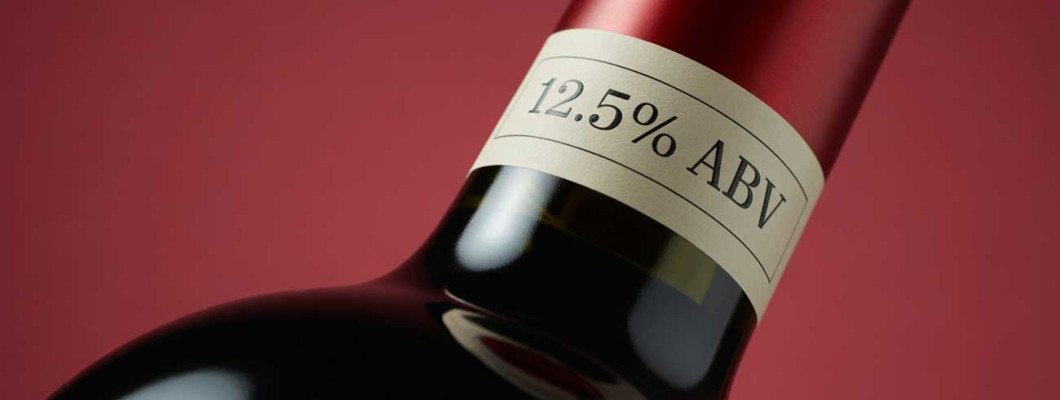
If you’ve scratched your head to figure what ABV is in wine—you’ve landed at the right spot to get a simple answer. When you see a percentage like 11% or 12.5% on a wine bottle, that number refers to Alcohol by Volume, aka. ABV - the part of wine that is purely alcohol. This tells you clearly how strong the wine is in terms of its alcoholic strength. For example:
- 13% ABV means 13% of the liquid in the bottle is alcohol
- A standard 750 ml bottle of wine with 12% ABV contains around 90 ml of pure alcohol
In most wines, ABV typically ranges between 10% and 15%, though some styles fall lower or higher.
If you’re new to wine, this pairs well with our guide on Wine For Beginners – The Ultimate Guide To Drinking, Buying, and Gifting.
How Does Alcohol Get Into Wine?
Alcohol in wine is always a result of a natural process called fermentation. Yeast thrives on, and eats the sugar in grape juice and converts it into ethanol (alcohol) and carbon dioxide, at times some peculiar flavours we get wines are also an outcome of fermentation. Simply saying — more the sugar in grapes at harvest, higher the percentage of potential alcohol produced during fermentation. But there many other, noteworthy factors that influence the alcohol content in wine:
1. Ripeness Level of Grapes
Grapes grown in warmer climates ripen well accumulating higher levels of sugar, which gets converted into higher ABV. Cooler wine growing regions have less warmth and limited sunlight, so grapes here typically have lower sugars as they ripen, this results in overall lower alcohol content. Now you know, why a Napa Valley Cabernet Sauvignon packs in way more ABV than a German Riesling!
Generally, new world wines from Australia, California have higher ABVs due to warm grownup climates. On the contrary, a lot of old world wines from regions like France, Italy, or Germany produce wines with low to medium ABV, given their cool growing conditions.
Learn more about grape behaviour in our guide to wine grape varieties.
2. Winemaking options and Decisions
Final ABV in wine can be influenced by winemaking decisions like stopping fermentation early to get lower alcohol content or at times blending juices to get a higher ABV. Adoption of these options depends upon the style of wine the winemaker is looking to create.
3. Style of Wine
Varying wine styles have different levels of alcohol. Sparkling wines and white wines from cooler climates are generally lighter with lower alcohol levels, while bolder reds often have ABV that inches towards a higher overall wine alcohol percentage.
Explore different types of wine to understand these variations.
4. Harvest Timing
Grapes harvested or picked early on in the growing season make low alcohol wines because they were yet to ripen fully and gain more sugar content. Conversely, grapes harvested last or at the end of a growing season are at full ripeness with high sugar levels in them, thus producing wines with higher ABV.
Alcohol Levels Across Commonly Consumed Wine Types
| Wine Style | Typical ABV Range |
|---|---|
| Sparkling (e.g., Prosecco) | 7–12% |
| Light Whites (e.g., Pinot Grigio) | 8–12% |
| Full-bodied Whites (e.g., oaked Chardonnay) | 12–14.5% |
| Dry Rose Wines | 11–13% |
| Light Reds (e.g., Beaujolais) | 11–13% |
| Full-bodied Reds (e.g., Cabernet Sauvignon, Shiraz, Grenache) | 13–15%+ |
| Fortified Wines | 18–22% |
Alcohol in Red Wine
Alcohol volume in red wine can shape its taste profile and influence the overall structure too. Red wine alcohol percentage mostly falls between 11% to 15% ABV, though there are some fuller bodied styles that can even go higher. The red wine alcohol volume is largely determined by how ripe the grapes at harvest—riper grapes contain more naturally accumulated sugar, which turns into higher alcohol during fermentation.
Red wines with high alcohol like Cabernet Sauvignon often have a richer, warmer mouthfeel and full-body, compared to low-alcohol red wines like Pinot Noir that feel lighter on the palate and have a fresher flavour profile.
Understanding alcohol level in red wine can help you choose styles that suit your palate best. This can further be aligned with personal taste preferences, food pairings, and occasions, based on which it could be an easy-drinking red or a powerful red wine meant to accompany hearty meals and choicest celebrations.
Knowing common wine tasting terms enhances this experience.
Alcohol in White Wine
Alcohol in white wine generally sits at a slightly lower level than in most reds, bringing in more freshness, light flavours, and ease of drinking. Typically, white wine alcohol percentage ranges from 10% to 13.5%, though higher, low-alcohol styles can be even lower, and richer, oak-aged styles can reach higher alcohol levels too.
Just like in reds, the white wine alcohol volume depends on grape variety, climate, harvest timing, and winemaking techniques. Cooler regions and early harvesting results in fresh styles with crisp and bright acidity - think Chablis!
Higher alcohol whites feel rounder, creamier, and fuller as they often come from more moderate climates and withstand techniques like oak usage quite well—think California Chardonnay!
Low ABV Wine vs High Alcohol Wine
- Low ABV wines (5–11%): Moscato, Prosecco, some Rieslings
- High alcohol wines (14%+): Bold reds and fortified wines
The strongest wines are typically fortified styles like Port.
How to Choose Wine Based on Alcohol Content
Follow these easy and logical quick tips to always pick the right bottle that matches perfectly with your mood, food, and the occasion.
- For daytime or warm weather sipping : Choose lighter wines lower ABV of around 11%-12.5%. These wines served at a cool temperature will feel more refreshing and light.
- With rich or heavier meals : wines that have riper flavours and higher alcohol pair well with dinners that see steak and the likes.
- Mindful drinking : If you’re watching alcohol intake, checking the ABV lets you control the overall consumption. Understanding wine alcohol level will always keep from clocking in more calories if you’re watching that waist —yes, more alcohol means more calories!
Read the Wine Label - It Matters
Knowing and understanding alcohol level in wine doesn’t require technical expertise and is not complicated— come to think of it, those wine labels are designed for all consumers alike, not just a handful of time experts. Next time you’re choosing a wine, let ABV guide you alongside flavour, grape variety, occasion, and your personal preference.
Always drink responsibly, Cheers to mindful drinking !
Frequently Asked Questions
How much alcohol does wine contain?
Most wines fall between 9% and 15% ABV, depending on grape variety, wine style, climate, and winemaking techniques.
Which wines have the lowest alcohol?
Moscato, Prosecco, and some Rieslings typically have lower alcohol levels, usually ranging between 5% and 11% ABV.
What is the alcohol content of Prosecco?
Prosecco is a light, refreshing Italian sparkling wine that usually contains between 10% and 11.5% ABV.
How much alcohol is in Moscato?
Moscato is a sweet, low-alcohol white wine with ABV typically ranging between 5% and 9%, due to fermentation being stopped early.
Why is red wine higher in alcohol than white wine?
Red wines are often made from riper grapes grown in warmer climates, which contain more sugar and result in higher alcohol levels compared to most white wines.
What is the alcohol percentage of Port wine?
Port is a sweet fortified wine with alcohol levels ranging between 18% to 22%. Additional alcohol is added during fermentation, which stops yeast activity and increases strength.
Does higher alcohol mean better wine?
No, wine quality depends on overall balance, structure, and flavour harmony, not alcohol level. A well-balanced lower-alcohol wine can be just as enjoyable as a higher-alcohol one.
Where can I find wine’s alcohol percentage?
Wine ABV (alcohol by volume) is always listed on the bottle label, usually near the producer details or legal information. This makes it easy to compare alcohol levels before buying.
Explore Gift Selections
Looking for a complete gift set? Explore our exclusive collection of Red Wine Gifts
Related Blog Posts