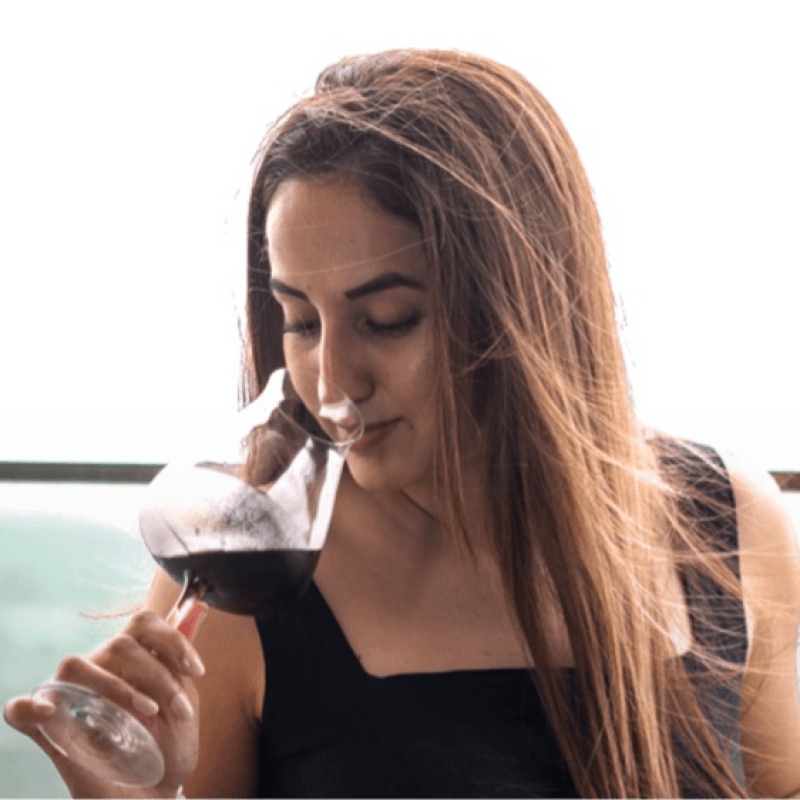


Among the world’s most sought-after red wines, California Cabernet Sauvignon sits very near the top. Bold but defined, powerful but polished, it has become shorthand for fine dining, serious cellars and world-class winemaking.
At the centre of that reputation is Napa Valley, the region that turned Cabernet Sauvignon into California’s calling card, and which still sets the benchmark half a century after it announced itself to the world.
This guide covers what Cabernet Sauvignon is, why California suits it so well, which sub-regions matter and how they differ, what to pair it with, what it costs, and which bottles are worth your money at every level. If you want the wider picture first, start with our complete guide to California wine.
What Is Cabernet Sauvignon?
Cabernet Sauvignon is the world’s most widely planted wine grape variety, covering approximately 341,000 hectares and accounting for about 5% of the world’s vineyard area. It’s a natural cross of Cabernet Franc and Sauvignon Blanc, and it carries thick skins, high tannin and naturally high acidity. Our guide to wine grape varieties shows how Cabernet compares with the other major grapes.
Those thick skins are the key to everything else. They give colour, they give tannin, and they need real warmth and a long season to ripen properly. That is why California, sunny, dry and reliably warm, turned out to be close to an ideal home for it.
California Cabernet Sauvignon is typically:
- Full-bodied — ripe fruit and generous alcohol give it weight
- Structured — firm tannins provide the frame the fruit hangs on
- Age-worthy — that combination of tannin, acidity and concentration lets good examples evolve for decades
The typical flavour profile runs through blackcurrant and cassis, blackberry, black cherry and black plum, joined, after time in oak, by cedar, tobacco, clove, vanilla and warm baking spice. For how it sits alongside the state’s other reds, see our guide to California red wine.
What Makes California Cabernet Unique: Terroir and Climate
Napa Valley is a narrow corridor roughly 30 miles long, bounded by the Mayacamas Mountains to the west, which separate it from Sonoma County, and the Vaca Range to the east, beyond which the land drops away toward California’s Central Valley.
That geography produces the single most important feature of Napa’s climate: a temperature gradient running from cool in the south to warm in the north. San Pablo Bay sits at the valley’s southern end, and cool marine air and fog push northwards up the corridor each evening. The further north you go, the less of that cooling reaches you.
So Cabernet from Calistoga, at the northern end, tends toward power and ripeness. Cabernet from Coombsville and Stags Leap District, in the south, keeps more freshness and finishes with more lift. Both are Napa Cabernet; they are not the same wine.
The warm days ripen the fruit thoroughly. The cool nights slow the loss of acidity. That daily swing, the diurnal shift, is what lets Napa Cabernet be ripe and fresh at the same time, rather than choosing one.
Soil adds the second layer. The valley floor is largely alluvial: gravel, sand and loam washed down over millennia, free-draining and moderately fertile, giving plush, generous wines. The hillsides are volcanic, thinner and poorer, stressing the vines into smaller berries with thicker skins, which is why mountain Cabernet is denser, more tannic and slower to open.
Why Is California Famous for Cabernet Sauvignon?
Because of one afternoon in Paris.
On 24 May 1976, the British wine merchant Steven Spurrier organised a blind tasting that pitted California wines against France’s best. In the red flight, six California Cabernets went up against four red Bordeaux, and the highest score went to the 1973 Stag’s Leap Wine Cellars S.L.V. Cabernet Sauvignon, made by Warren Winiarski, ahead of Château Mouton-Rothschild and Château Haut-Brion. In the white flight, the 1973 Château Montelena Chardonnay, made by Miljenko “Mike” Grgich, finished first.
The judges were French. The tasting was blind. The result was not supposed to happen. Both winning bottles now sit in the Smithsonian’s collections, and May 2026 marked the 50th anniversary of what has been known ever since as the Judgment of Paris.
The wine that won came from Stags Leap District, which matters because it wasn’t the ripest or most powerful Cabernet in the room. It won on balance. That set the template for what Napa has been chasing ever since. If you want the modern version of that argument, we’ve compared Napa and Bordeaux head to head.
Fifty years on, Napa Cabernet Sauvignon is a fixture on Michelin-starred lists worldwide, a benchmark other regions measure themselves against, and one of the few New World categories with a genuine collector market.
Napa Valley’s Cabernet Sub-Regions, Explained
Napa Valley contains 17 nested sub-appellations (the newest, Crystal Springs of Napa Valley, was approved in 2024), and the differences between them are real enough that experienced buyers shop by AVA rather than by valley. Here’s how the most important ones behave; for the producers behind them, see our guide to the best Napa wines.
| Sub-AVA | Where | Climate | Cabernet Style |
|---|---|---|---|
| Calistoga | Far north | Warmest in the valley | Powerful, ripe, deeply concentrated |
| St. Helena | Northern mid-valley | Warm | Rich, plush, immediately generous |
| Rutherford | Mid-valley | Warm, moderated | Earthy structure and the famous dusty tannin |
| Oakville | Mid-valley | Warm | Powerful and structured — benchmark territory |
| Yountville | Southern mid-valley | Moderate | Aromatic, firm, well-defined |
| Stags Leap District | Southern valley | Cooler — San Pablo Bay influence | Silky, perfumed, elegant rather than heavy |
| Coombsville | Far south-east | Among the coolest in the valley | Fresh, restrained, high acidity |
| Howell Mountain | Eastern mountains | Above the fog line | Dense, tannic, very long-lived |
| Spring Mountain District | Western mountains | Cool, high elevation | Structured, savoury, age-worthy |
| Diamond Mountain District | North-western mountains | Volcanic soils | Firm, mineral, powerful |
| Mt. Veeder | South-western mountains | Cool, high elevation | Tight and structured; slow to open |
| Atlas Peak | Eastern mountains | High elevation | Bright acidity over firm tannin |
The Valley Floor: Oakville, Rutherford and St. Helena
This is the heart of Napa’s reputation. Deep alluvial soils and reliable warmth produce Cabernet with weight, ripe black fruit and tannins that are firm without being severe.
Oakville is the most consistently powerful of the three: structured, dark and built for the long haul. Rutherford has a signature all its own: a fine, dusty, cocoa-powder-like tannin texture that growers have called “Rutherford dust” for generations. It’s a texture rather than a flavour, and once you notice it you find it every time; try the Hewitt Vineyard Estate Grown Rutherford if you want a clear example. St. Helena sits slightly warmer again and tends to give the plushest, most immediately appealing wines of the three.
The Cooler South: Stags Leap District and Coombsville
The southern end of the valley is where Napa keeps its freshness. Stags Leap District sits about six miles north of the city of Napa and roughly fifteen miles from San Pablo Bay, close enough that cool evening air funnels straight through it. The rocky Stags Leap Palisades reflect heat during the day; the bay breeze pulls the temperature down sharply at night.
The result is Cabernet with silk rather than muscle: perfumed, supple, and famously the style that won in Paris in 1976. Chimney Rock Stags Leap District Cabernet Sauvignon is a good modern expression of it. Coombsville, further south-east and cooler still, takes that even further toward freshness and lifted acidity.
Mountain Cabernet: Howell Mountain, Spring Mountain, Mt. Veeder and Atlas Peak
Above the fog line, everything changes. Thin volcanic soils, more sunlight, larger day-night swings and stressed vines produce small berries with a high skin-to-juice ratio, which means more tannin, more colour and more concentration.
Mountain Cabernet is the most structured and longest-lived wine Napa makes, and it is not always the most enjoyable young. Howell Mountain, one of Napa’s first sub-appellations (designated in 1983), is the archetype: dense, tightly wound, and often better at fifteen years than at five. If you’re buying to cellar rather than to drink this weekend, this is where to look.
Found a style that sounds like you? Shop Cabernet Sauvignon across all sub-regions and price tiers.
Beyond Napa: California’s Other Cabernet Regions
Napa gets the attention, but it isn’t the only place in California making serious Cabernet — and at the entry and mid levels, it’s frequently not the best value.
- Alexander Valley (Sonoma) is the state’s strongest Cabernet region outside Napa. Warm, sheltered and slightly more forgiving, it produces ripe, generous, supple Cabernet that drinks well earlier than Napa equivalents and usually costs less. Jordan Cabernet Sauvignon is the classic reference point.
- Paso Robles delivers bold, sun-driven, fruit-forward Cabernet with softer tannins and considerable warmth. It’s the best-value Cabernet in California at the mid-tier, and a genuinely good choice for a crowd; Paso Robles gift sets make an easy introduction.
- Santa Cruz Mountains is small, cool and high, producing Cabernet with real tension and structure that ages beautifully. Knights Valley and Lake County round out the picture at friendlier prices.
If you’re weighing the regions against each other, we’ve set out how Napa, Sonoma and Paso Robles compare in detail. And for the other side of the state’s range, our guide to California white wine covers the whites.
Is Napa Cabernet Always 100% Cabernet Sauvignon?
Usually not — and that’s by design, not by cost-cutting.
US labelling rules require only 75% of a named variety for the wine to carry that name. Most Napa Cabernet sits somewhere between 80% and 100%, with the balance made up of the other Bordeaux varieties: Merlot for flesh and mid-palate, Cabernet Franc for aromatic lift, Petit Verdot for colour and structure, occasionally Malbec.
Some of Napa’s most admired wines aren’t labelled Cabernet Sauvignon at all. Opus One is a Bordeaux-style blend, as are many of the region’s flagship bottlings. If a Napa red is labelled as a proprietary blend rather than a varietal, that’s usually a sign the winemaker prioritised the finished wine over the name on the front.
California Cabernet Sauvignon: Food and Wine Pairing
Cabernet’s tannin and acidity make it a natural partner for rich, fatty, savoury food. Fat softens tannin; tannin cuts through fat. It’s one of the most reliable pairing relationships in wine.
| Dish | Pairing Style | Why It Works |
|---|---|---|
| Grilled steak | The classic | Tannins are softened by fat while acidity cuts the richness — the benchmark pairing. |
| Lamb chops with rosemary | Rich and savoury | Herbal, earthy notes echo Cabernet’s savoury edge. |
| Braised short ribs | Slow-cooked comfort | Bold wine matches the intensity and umami depth of the dish. |
| Venison or game | Autumnal | Lean, iron-rich meat meets Cabernet’s structure without being overwhelmed. |
| Gourmet cheeseburger | Casual luxury | Juicy texture balances tannin — proof this wine doesn’t need an occasion. |
| Aged cheddar, Gouda, smoked cheeses | Cheese board | Fat and salt soften tannin and lift the fruit. |
| Aged Parmesan | Cheese board | Crystalline, savoury intensity stands up to a mature Cabernet. |
| Mushroom dishes | Vegetarian and vegan | Earthy, umami flavours mirror Cabernet’s savoury complexity. |
| BBQ ribs | Smoky and sweet-spiced | Oak and spice in Napa Cabernet meet smoke and char head-on. |
| Dark chocolate (70%+) | Indulgent | Bitterness complements tannin; both share a roasted intensity. |
The underlying rule: Napa Cabernet pairs best with dishes that bring fat, protein and intensity. Avoid delicate fish, sharp vinaigrettes and anything with real chilli heat; tannin and capsaicin amplify each other unpleasantly. For more combinations across the state, see our California wine and food pairing guide, or our wider guide to pairing red wine with food.
How to Serve California Cabernet Sauvignon
Serving Temperature
Serve at 60–65°F (15–18°C), cooler than most rooms. “Room temperature” is a phrase inherited from considerably colder houses, and Napa Cabernet served at 72°F tastes flat and alcoholic. Twenty minutes in the fridge before pouring is usually the single easiest improvement you can make.
Decanting
Young Napa Cabernet, under about eight years old, benefits from 60 to 120 minutes in a decanter. The tannins soften noticeably and closed aromatics open up.
Older bottles, fifteen years and up, need the opposite approach: decant gently to separate the wine from its sediment, then drink within the hour. Mature Cabernet can fade quickly once it meets air.
The Right Glass
Use a large-bowled red wine glass — a Bordeaux shape, typically 22 to 30 ounces. The wide bowl aerates the wine while the taper concentrates aroma at the rim. Our guide to choosing between red and white wine glasses explains why the shape makes a measurable difference.
How Long Can California Cabernet Age?
It depends almost entirely on where the wine sits in the quality pyramid.
- Entry level — built for drinking now; enjoy within 2 to 4 years
- Mid-tier — 5 to 10 years, with a sweet spot around year six or seven
- Premium sub-AVA wines — 10 to 20 years, often improving markedly after five
- Mountain and collector bottlings — 20 years and beyond; Howell Mountain Cabernet can still be climbing at fifteen
Storage matters more than most people assume. Keep bottles on their side, somewhere consistently cool (around 55°F is ideal), dark, and away from vibration. A kitchen wine rack above the oven will age a wine faster than any cellar — and not in a good way.
What Does California Cabernet Sauvignon Cost?
Prices run from approachable to genuinely serious, and the jumps between tiers buy you different things.
| Tier | Price Band | What You’re Getting | Try |
|---|---|---|---|
| Everyday | $35–$99 | Ripe, soft, fruit-forward; drink now, no decanting needed. | Josh Cellars, Groth and more |
| Mid-tier | $85–$129 | Regional character emerging; some structure and ageing potential. | Ancient Peaks, Austin Hope, Jordan, Silver Oak Alexander Valley |
| Premium | $99–$199 | Clear sub-AVA expression, real complexity, 10–20 years of ageing potential. | Caymus, Hewitt Vineyard, PlumpJack |
| Collector | $185–$480 | Benchmark wines with secondary-market value. | Opus One, Silver Oak, Caymus Special Selection |
One honest note: at the entry level, Napa is rarely the best value in California. A $30 Paso Robles or Alexander Valley Cabernet will usually outperform a $30 Napa bottle, because the Napa name carries a premium of its own. Napa earns its price at the premium tier and above. Our Napa Valley wine price guide breaks the numbers down further.
Best California Cabernet Sauvignon Bottles to Try
A starting list across regions and price points (for the full story behind the two Silver Oak bottlings, see our Silver Oak wine guide):
Silver Oak Napa Valley Cabernet Sauvignon
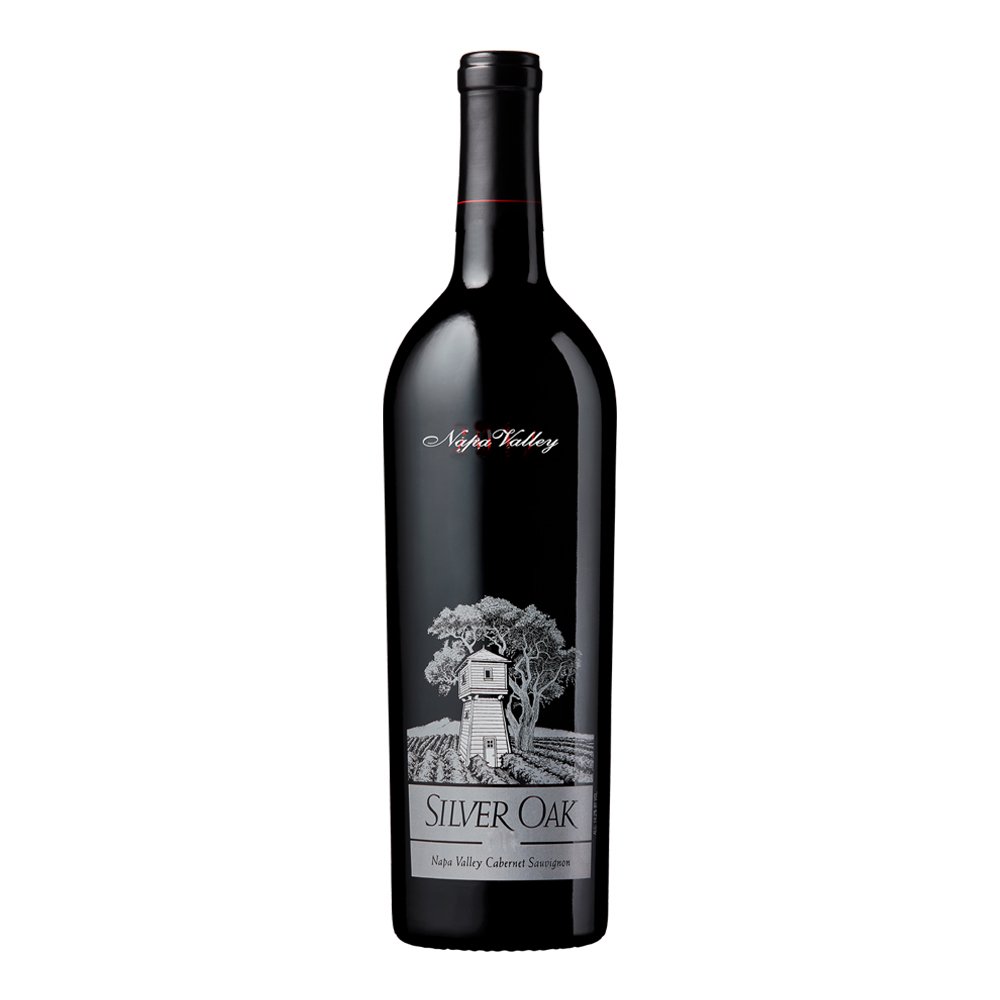
- WE Rating: 87–93 points
- Size: 750 ml
- Grape Varietal: Cabernet Sauvignon
- ABV: 13.5%–14.5%
Kathryn Hall Napa Valley Cabernet Sauvignon
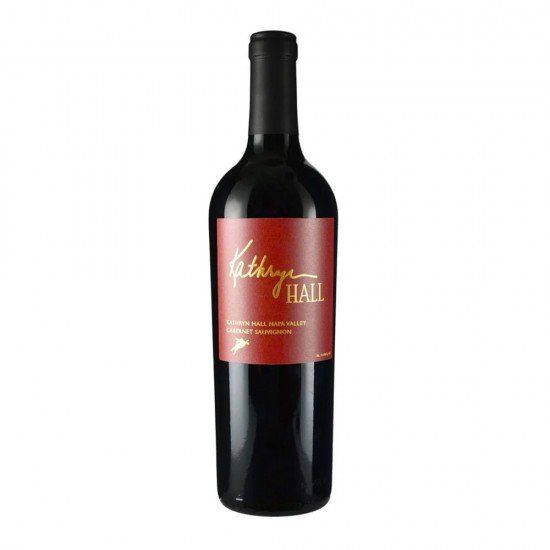
- WE Rating: 90–96 points
- Size: 750 ml
- Grape Varietal: Cabernet Sauvignon
- ABV: 15.2%
Caymus Vineyards Napa Valley Cabernet Sauvignon

- WE Rating: 90 points
- Size: 750 ml
- Grape Varietal: Cabernet Sauvignon
- ABV: 14.5%–15%
Hewitt Vineyard Cabernet Sauvignon Estate Grown Rutherford
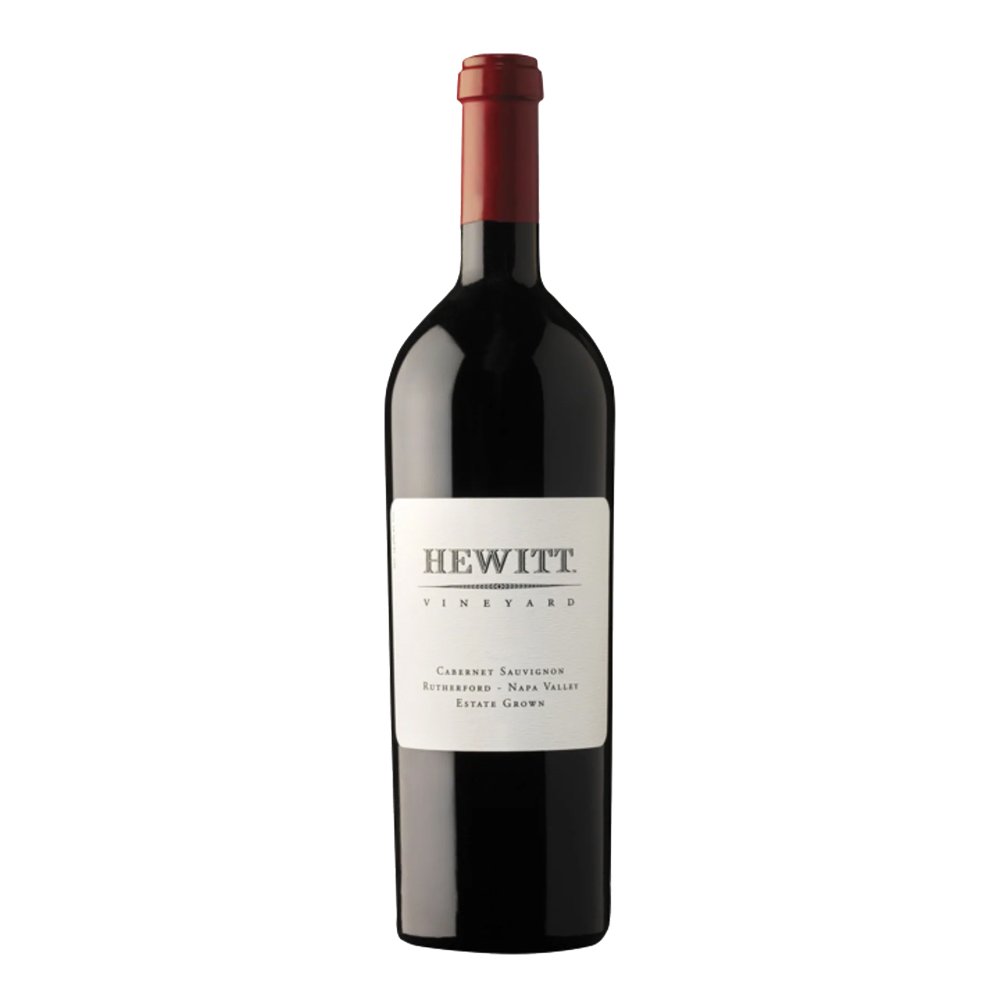
- WE Rating: 90–93 points
- Size: 750 ml
- Grape Varietal: Cabernet Sauvignon
- ABV: 14.8%
PlumpJack Oakville Cabernet Sauvignon Napa Valley
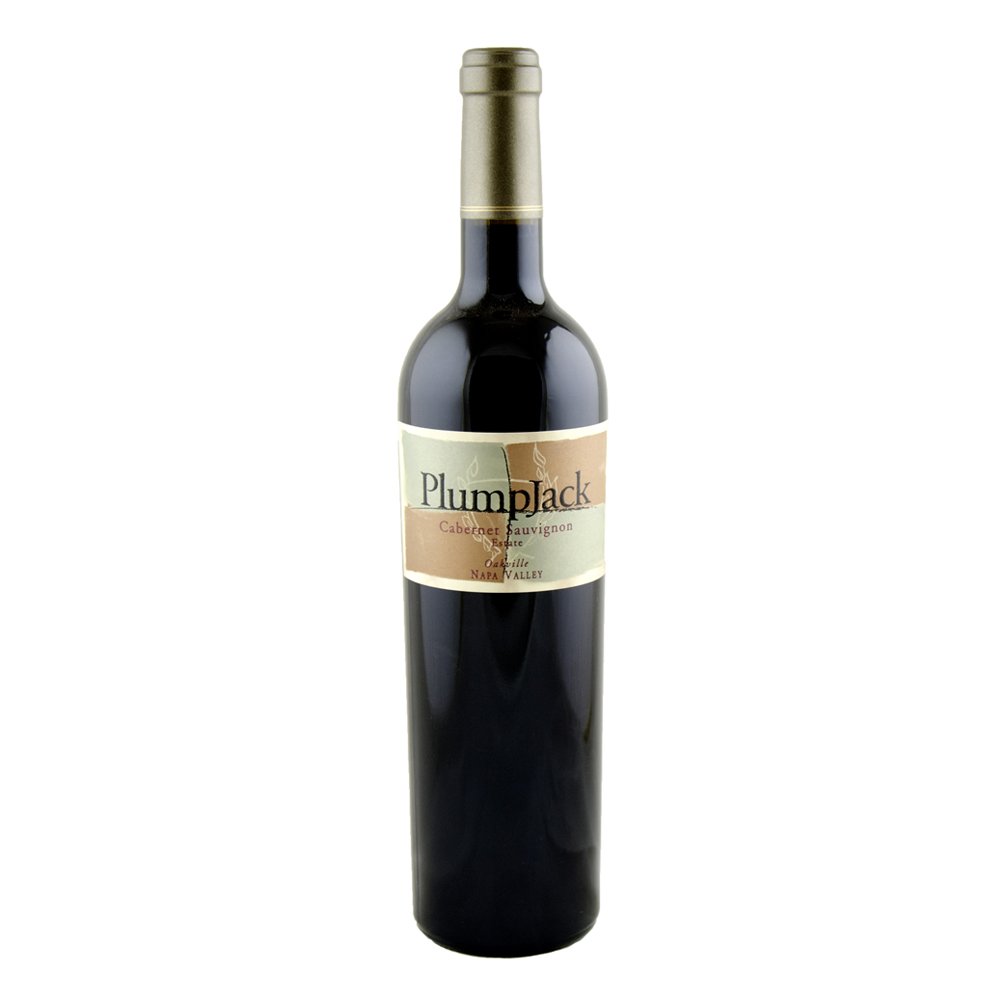
- WE Rating: 90–93 points
- Size: 750 ml
- Grape Varietal: Cabernet Sauvignon
- ABV: 15.4%
Opus One Napa Valley Red Wine
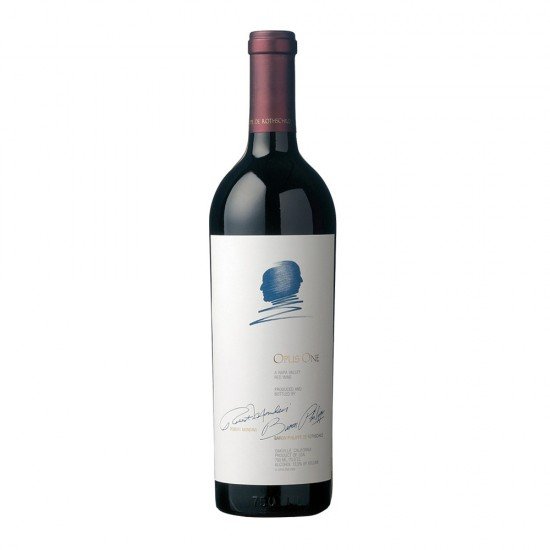
- WE Rating: 89–95 points
- Size: 750 ml
- Grape Varietal: Bordeaux-style red blend (Cabernet Sauvignon-led)
- ABV: 14.5%
Cakebread Cellars Cabernet Sauvignon
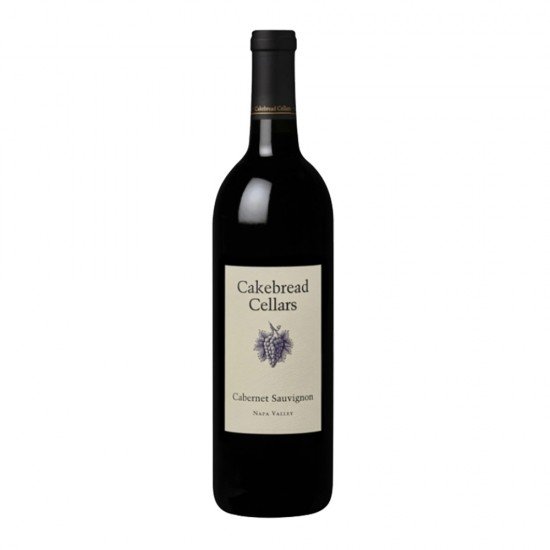
- WE Rating: 90–93 points
- Size: 750 ml
- Grape Varietal: Cabernet Sauvignon
- ABV: 13.9%
Ancient Peaks Oyster Ridge Paso Robles Red Blend
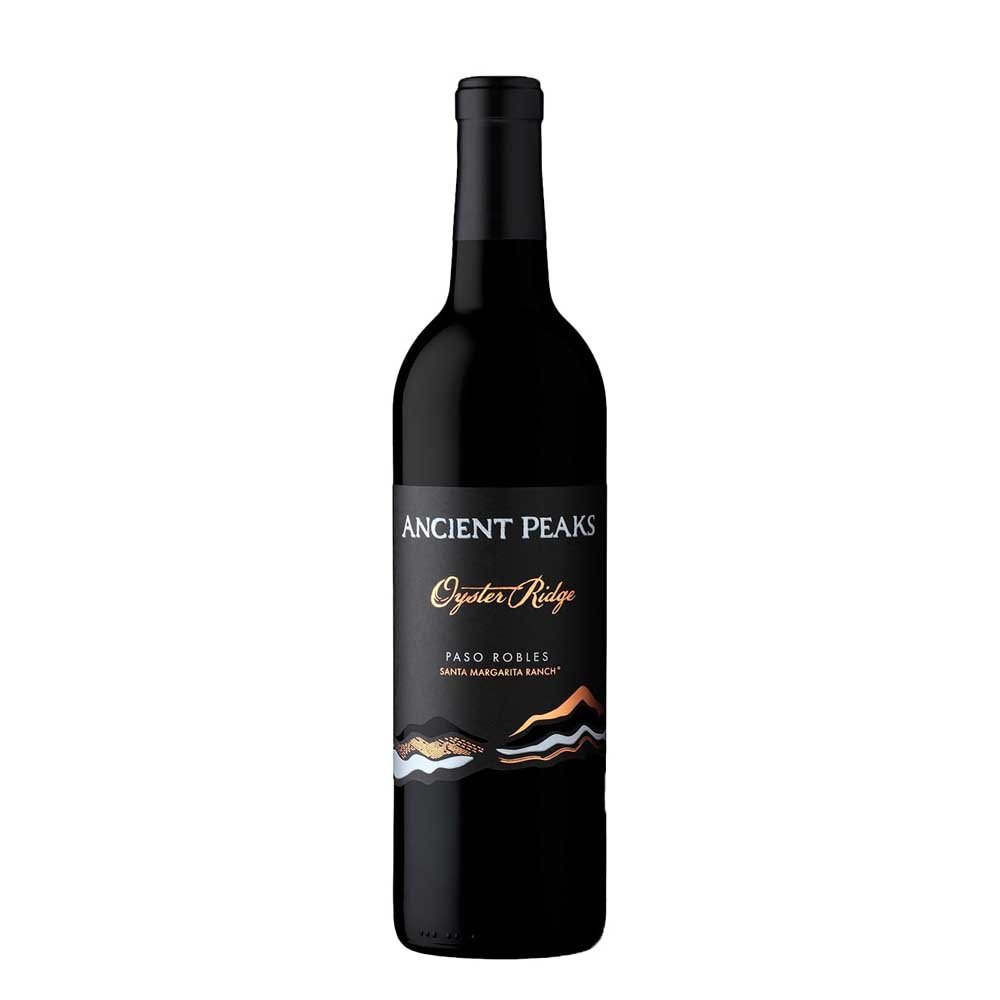
- WE Rating: 90 points
- Size: 750 ml
- Grape Varietal: Bordeaux-style red blend
- ABV: 14.3%
Silver Oak Alexander Valley Cabernet Sauvignon
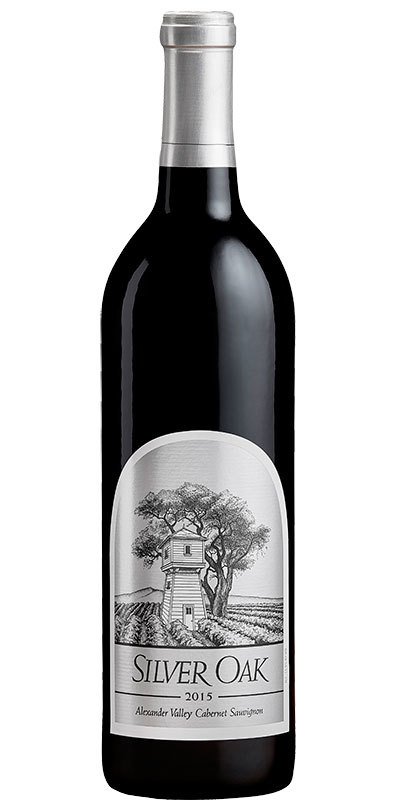
- WE Rating: 87–92 points
- Size: 750 ml
- Grape Varietal: Cabernet Sauvignon
- ABV: 13.9%
Is California Cabernet Sauvignon a Good Gift?
It’s one of the safest good gifts in wine, for three reasons.
It’s recognisable — Napa Cabernet reads as generous whether or not the recipient follows wine closely. It’s age-worthy, so it can be opened tonight or kept for a decade, which puts the choice in the recipient’s hands. And it’s broadly liked: ripe, full-bodied red is the least likely style to miss.
For a milestone, Napa Valley wine gifts and gift baskets carry obvious occasion weight. If you want help matching a bottle to a person, our Cabernet Sauvignon gift guide and our roundup of red wines that make good gifts both narrow it down quickly.
One practical tip: if you know the recipient cellars wine, a premium sub-AVA bottle with a decade ahead of it is a better gift than a more expensive bottle meant for drinking now. It signals you thought about them rather than about the price.
Final Thoughts
California didn’t just adopt Cabernet Sauvignon — it redefined what the grape could be, making it riper, more immediately expressive and more approachable than the Bordeaux template it was measured against in 1976.
Fifty years on, Napa still sets the benchmark. But the more useful takeaway is that “Napa Cabernet” isn’t one wine. Calistoga power, Rutherford dust, Stags Leap silk and Howell Mountain density are genuinely different propositions, and knowing which one you like is worth more than knowing which label is most expensive.
Whether you’re opening something tonight, buying a gift, or laying bottles down for a decade, California Cabernet Sauvignon gives you both immediate pleasure and a reason to wait.
Frequently Asked Questions
Is Napa Cabernet Sauvignon expensive?
It spans a wide range. Entry-level Napa Cabernet is accessible, premium sub-AVA bottles sit considerably higher, and collector wines run into the hundreds. Producer, sub-AVA and vintage all drive the price. At the entry level, Paso Robles and Alexander Valley usually offer better value.
Is California Cabernet Sauvignon dry?
Yes. California Cabernet is fermented dry, with negligible residual sugar. Its ripe black fruit and oak-derived vanilla can read as sweetness, but that is fruit intensity rather than actual sugar.
How long can Napa Cabernet Sauvignon age?
Entry-level bottles are best within 2 to 4 years. Mid-tier wines hold 5 to 10. Premium sub-AVA bottles run 10 to 20 years, and mountain Cabernet from Howell Mountain or Spring Mountain can go well beyond 20.
What makes Napa Cabernet Sauvignon special?
The combination of warm days that ripen the fruit fully and cool nights driven by San Pablo Bay that preserve acidity, across soils ranging from alluvial valley floor to volcanic hillside. That gives Napa Cabernet ripeness and freshness at once.
How long should I decant Napa Cabernet Sauvignon?
Young Cabernet under about eight years old benefits from 60 to 120 minutes in a decanter. Bottles over fifteen years should be decanted gently off their sediment and drunk within the hour, as mature wine can fade quickly in air.
What temperature should Cabernet Sauvignon be served at?
Between 60 and 65°F (15–18°C), cooler than most room temperatures. If your bottle has been sitting out, twenty minutes in the fridge before serving makes a noticeable difference.
What is the difference between Napa and Sonoma Cabernet?
Napa Cabernet is generally more powerful, more structured and more expensive. Sonoma Cabernet, particularly from Alexander Valley, tends to be softer, more approachable young and better value. Both age well at the premium level.
Is Napa Cabernet always 100% Cabernet Sauvignon?
Usually not. US labelling requires only 75% of the named variety, and most Napa Cabernet includes some Merlot, Cabernet Franc or Petit Verdot for balance and complexity. Some of the region’s finest wines are blends that carry no varietal name at all.
What is a good entry-level California Cabernet?
Look to Paso Robles, Alexander Valley or Lake County rather than Napa. At the same price you generally get riper fruit and softer tannins, because you are not paying a premium for the Napa name.
Which glass should I use for Cabernet Sauvignon?
A large-bowled Bordeaux-style glass of 22 to 30 ounces. The wide bowl aerates the wine and softens tannin, while the taper toward the rim concentrates the aroma.
How should I store Cabernet Sauvignon at home?
On its side, somewhere consistently cool at around 55°F, dark and free from vibration. Temperature swings age wine faster than steady warmth, so avoid kitchen racks near an oven or a sunny window.
What food goes best with California Cabernet Sauvignon?
Rich, fatty, savoury dishes — grilled steak, lamb, braised short ribs, aged hard cheeses and mushroom dishes. Avoid delicate fish, sharp vinaigrettes and spicy food, as tannin and chilli heat intensify each other.
Ready to choose your bottle? Shop California Cabernet Sauvignon by region, style and price — or explore our full California range for everything the state does well.