

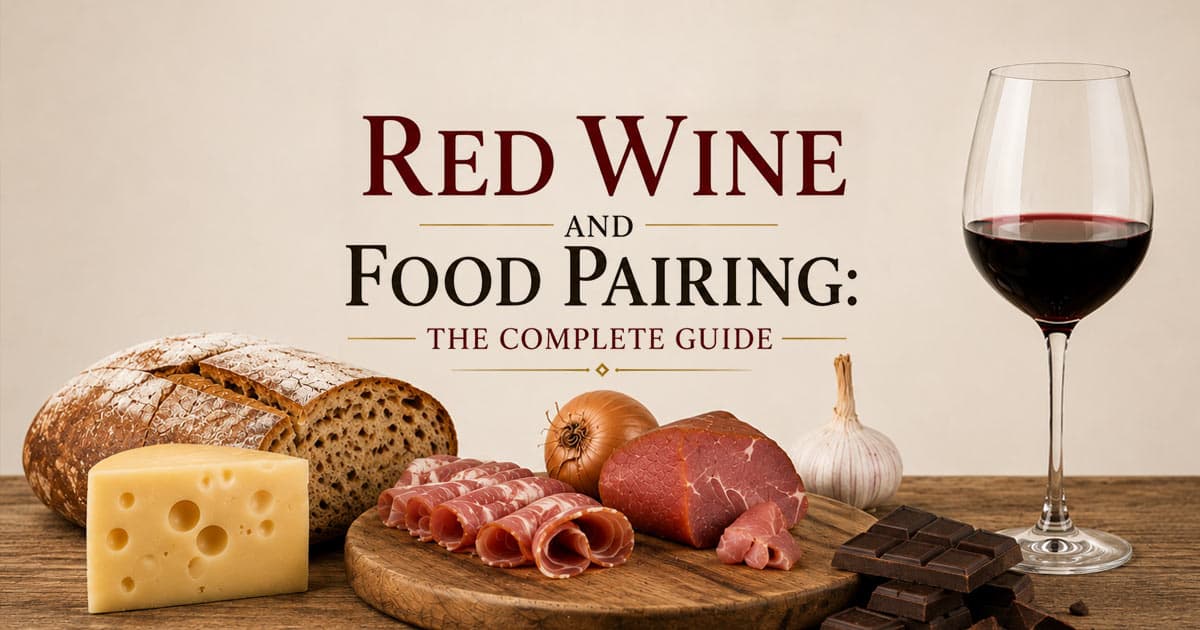
Whether you're opening a bottle of Cabernet Sauvignon for a celebratory dinner or pouring a glass of Pinot Noir on a quiet evening, the right food can lift both the wine and the meal. A great red wine pairing isn't about rigid rules; it's about finding harmony between what's in your glass and what's on your plate.
So what pairs well with red wine? The honest answer is: it depends on the wine's structure and fruit profile. But a handful of classic combinations rarely disappoint. Juicy steaks, roast chicken, aged cheeses, and rich dark chocolate all show how a well-chosen pairing can soften a wine's tannins, lift its fruit, and turn an ordinary dinner into something worth remembering.
This guide covers the classics: steak, chicken, cheese, and chocolate, plus pairings people ask about less often: spicy food, vegetarian and vegan menus, fish, and what to pour at a holiday table. By the end, you'll know not just what to serve, but why it works.
The Basics of Red Wine and Food Pairing
Before diving into specific dishes, let's look at what actually makes a red wine and food pairing work.
Red wines vary enormously in style. A delicate Pinot Noir behaves very differently from a bold Cabernet Sauvignon, and a fruit-forward Grenache is worlds apart from an earthy, rustic Nebbiolo. The most reliable approach is to match the wine's weight to the dish's weight, not just the ingredient to the ingredient.
A few pairing principles that hold up in practice:
Match light-bodied reds with lighter dishes, and full-bodied reds with richer, heartier meals.
Fatty foods soften tannins, which is why red meat and aged cheese make bold wines taste smoother.
High-acid wines, like Pinot Noir, work well with tomato-based dishes because the acidity in the wine matches the acidity in the sauce.
Go easy on pairing very spicy, chilli-forward food with high-ABV reds; alcohol tends to amplify heat rather than balance it (more in "Red Wine and Spicy Food" below).
Sauces and seasoning often matter more than the protein itself; a cream sauce and a tomato sauce on the same chicken breast call for two different wines.
These basics make it much easier to decide what pairs with red wine without treating every bottle like a puzzle. If you want a primer on wine terms before you go further, our wine for beginners guide is a good place to start.
Red Wine Glassware 101
You don't need a cabinet full of stemware to pair well, but glass shape does affect how a wine shows. A tall, narrower Bordeaux glass suits full-bodied reds like Cabernet Sauvignon and Malbec, directing the wine toward the back of the palate and softening tannins. A wider, balloon-shaped Burgundy glass with a larger bowl and surface area is built for lighter reds like Pinot Noir, letting their delicate aromatics open up fully before they reach your nose. If you only own one style of red wine glass, a mid-sized all-purpose glass will serve both styles reasonably well.
Serving Temperature and Decanting
Serving temperature affects a pairing as much as the food does. Red wine served too warm tastes boozy and flat; served too cool, its fruit gets muted, and the tannins can feel sharper than they actually are.
| Wine Style | Ideal Serving Temp | Decant? |
|---|---|---|
| Light-bodied (Pinot Noir, Gamay) | 55–60°F (13–16°C) | Rarely needed |
| Medium-bodied (Merlot, Sangiovese, Grenache) | 60–65°F (16–18°C) | 20–30 minutes for younger bottles |
| Full-bodied (Cabernet Sauvignon, Malbec, Syrah) | 62–68°F (17–20°C) | 30–60 minutes, especially for younger, tannic wines |
As a rule of thumb, if a red wine has been sitting in a warm room, chilling it in the refrigerator for about 15–20 minutes before serving can help bring it closer to its ideal serving temperature. A full-bodied red poured straight from a warm kitchen will also taste noticeably better after a short rest in a decanter or wide-bowled glass.
What Pairs Well with Red Wine?
The good news is that red wine is genuinely versatile — it complements a wide range of dishes and cuisines, especially anything rich, savoury, or umami-forward. Classic, reliable pairings include:
- Grilled and roasted beef
- Lamb chops
- Roast chicken
- Duck
- Burgers
- Mushroom risotto
- Pizza
- Pasta with tomato-based sauces
- Charcuterie and cheese
- Hard and semi-hard cheeses
- Barbecue
- Dark chocolate
These are dependable starting points, but the best pairing always depends on the wine's style and your own taste. A lighter red can work beautifully with grilled salmon or roasted vegetables, while a powerful Cabernet Sauvignon wants something substantial enough to stand up to it.
Red Wine and Steak Pairing: A Timeless Classic
No talk of red wine and food pairing is complete without the steak and red wine pairing, one of the most celebrated combinations in the culinary world.
Steak's protein and fat help soften tannins, the compound in red wine responsible for that dry, mouth-puckering sensation, similar to biting into an unripe persimmon. As the tannins soften, the wine feels rounder and smoother, while its acidity and fruit cut through the richness of the meat. The result is a genuinely balanced bite-and-sip pairing, not just two good things served side by side.
Best Steak and Red Wine Pairings
Cabernet Sauvignon remains the benchmark, thanks to its firm tannins, dark fruit flavours, and structure. Malbec, with its juicy dark fruit and smoky character, is another excellent choice for grilled meats. See our Cabernet Sauvignon gift guide if you're buying for a steak-loving host.
| Steak | Recommended Red Wine |
|---|---|
| Ribeye | Cabernet Sauvignon |
| Sirloin | Malbec |
| Filet Mignon | Merlot |
| T-Bone | Bordeaux Blend |
| Pepper Steak | Syrah/Shiraz |
| Grilled Steak | Tempranillo |
Red Wine to Pair with Chicken
Many people instinctively reach for white wine with chicken, but there are several excellent red options.
The cooking method matters more than the protein itself. Roast chicken with herbs pairs beautifully with Pinot Noir, while grilled chicken works well with a fruity, soft Merlot. Curious about the difference between the two? Here's our full breakdown of Pinot Noir Vs Merlot.
The key is choosing a wine that complements the seasoning rather than overpowering chicken's naturally delicate flavour. Use the table below as a starting point, then adjust based on preparation — a smoky grill mark calls for a bolder glass than a simple herb-roasted bird.
| Chicken Dish | Best Red Wine |
|---|---|
| Roast Chicken | Pinot Noir, Merlot |
| Herb Chicken | Grenache |
| Mushroom Chicken | Pinot Noir |
| BBQ Chicken | Zinfandel |
| Grilled Chicken | Barbera |
| Spicy Chicken | Grenache or Zinfandel |
Red Wine Cheese Pairing
Cheese and wine pairings have been enjoyed together for centuries, and a well-built cheese board remains one of the easiest ways to entertain guests in style, with almost no cooking required.
Italian wine and food pairing is a good example of this principle in action: a lavish Italian cheese board pairs beautifully with many wines from Italy. But not every cheese works equally well with every red wine — salt content, fat, and how long the cheese has aged all influence which pairing actually succeeds.
Best Red Wine and Cheese Pairings
Among cheese pairings, aged cheeses are particularly successful because their concentrated flavours match fuller-bodied wines without being overwhelmed.
| Cheese | Best Wine |
|---|---|
| Mature Cheddar | Cabernet Sauvignon |
| Gouda | Merlot |
| Manchego | Tempranillo |
| Parmesan | Chianti |
| Brie | Pinot Noir |
| Gruyère | Syrah |
| Blue Cheese | Vintage Port or Fortified Red |
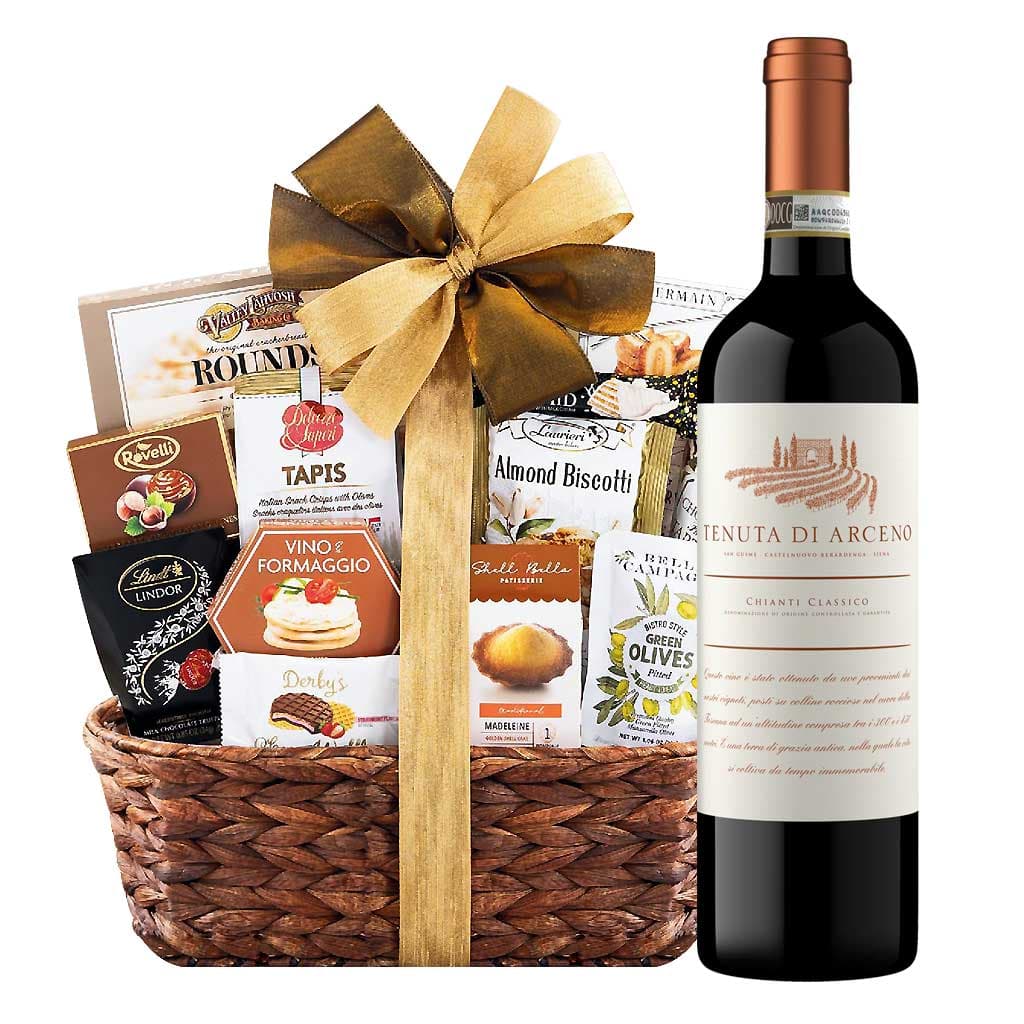
For an elegant cheese board or a wine-and-cheese gift, include a mix of textures and intensities alongside baguette, crackers, grapes, figs and nuts. Our wine and cheese gift baskets make this easy if you're putting one together for someone else.
Red Wine and Chocolate Pairing
Dessert lovers often ask whether wine and chocolate pairing is really a thing. It is, provided the sweetness is balanced correctly. A successful pairing works because the berry notes in the wine echo the fruitiness in good cocoa.
The richer and darker the chocolate, the more robust the wine can be; a milk chocolate dessert will get lost next to a big Cabernet, while a 70%+ dark chocolate bar can stand up to one. The pairings below are grouped by dessert style so you can match by what's actually on the plate.
| Chocolate Dessert | Recommended Wine |
|---|---|
| Dark Chocolate (70%+ Cocoa) | Cabernet Sauvignon |
| Chocolate Truffles | Shiraz (Syrah) |
| Chocolate Mousse Cake | Amarone della Valpolicella |
| Chocolate Brownies | Zinfandel |
| Rich Chocolate Desserts | Ruby Port |
Can You Pair Red Wine with Fish or Seafood?
The old rule — "red wine with meat, white wine with fish" — is a generalisation, not a law. Most delicate white fish (sole, flounder, cod) really do clash with tannic reds; the tannins react with the fish oils and leave an unpleasant metallic taste. But a handful of fish and seafood dishes pair well with the right red.
| Fish/Seafood Dish | Works With | Why |
|---|---|---|
| Grilled Salmon | Pinot Noir | Salmon's fat and richness can handle a light, low-tannin red. |
| Seared Tuna Steak | Pinot Noir or Gamay | Meaty texture stands up to a light, fruity red. |
| Seafood in Tomato Sauce (e.g., Cioppino) | Sangiovese, Barbera | Wine acidity matches the acidity in the tomato-based sauce. |
| Delicate White Fish (Sole, Cod, Flounder) | Avoid Tannic Reds | Tannins clash with fish oils and taste metallic |
If you're unsure, the safest red-with-fish choice is almost always a light-bodied, low-tannin style — think Pinot Noir or Gamay, served slightly chilled.
Red Wine and Spicy Food: What Actually Works
High alcohol and heavy tannins tend to intensify the burn of chilli heat, which is why a big, high-ABV Cabernet can feel harsh next to a spicy curry or Sichuan stir-fry. The better move is a lower-alcohol, fruit-forward, low-tannin red served slightly cool — the chill and the fruit both help tame the heat rather than fight it.
| Spicy Dish | Recommended Red | Avoid |
|---|---|---|
| Spicy Thai or Sichuan Stir-Fry | Gamay (Beaujolais), Lightly Chilled | High-ABV Cabernet Sauvignon |
| BBQ with a Spicy Dry Rub | Zinfandel, Grenache | Heavily Oaked, Tannic Reds |
| Spicy Sausage or Chorizo | Grenache, Garnacha | High-Tannin Young Cabernet |
| Medium-Heat Curry | Off-Dry Lambrusco, Light Pinot Noir | Full-Bodied, High-Alcohol Reds |
Vegetarian and Vegan Red Wine Pairings
Red wine pairing isn't just about meat. Umami-rich vegetarian dishes — mushrooms, lentils, roasted root vegetables, eggplant — have enough depth and earthiness to stand up to medium-bodied reds. For strictly vegan pairings, note that not all wine is vegan by default: some are fined using animal-derived products like gelatin or egg albumin, so look for wines labelled vegan or unfined if that matters to your guests.
| Vegetarian/Vegan Dish | Recommended Red |
|---|---|
| Mushroom risotto or mushroom bourguignon | Pinot Noir |
| Lentil or bean stew | Grenache, Merlot |
| Roasted root vegetables | Grenache, Côtes du Rhône blend |
| Eggplant Parmesan | Sangiovese, Chianti |
| Grilled portobello "steaks" | Malbec, Zinfandel |
| Veggie chilli | Zinfandel, Malbec |
Red Wine Dinner Pairings
Planning a dinner party with red wine at the centre of the table? Whether you're reaching for one of the Best Bordeaux wines to pair with food or a structured California red wine, these dinner pairings are reliable crowd-pleasers.
| Dish | Recommended Wine |
|---|---|
| Lasagna | Sangiovese |
| Mushroom Risotto | Pinot Noir |
| Roast Lamb | Cabernet Sauvignon |
| BBQ Ribs | Shiraz |
| Beef Burgers | Malbec |
| Duck Breast | Pinot Noir |
| Pizza | Chianti |
| Beef Stroganoff | Merlot |
| Roast Vegetables | Grenache |
| Slow-Cooked Beef | Bordeaux Red Blend |
Red Wine Pairings for Holidays and Special Occasions
Holiday meals bring their own pairing questions — richer dishes, bigger tables, and more first-time wine drinkers to please. A few dependable choices:
| Occasion | Main Dish | Recommended Red Wine |
|---|---|---|
| Thanksgiving | Roast Turkey | Pinot Noir or Gamay — light enough not to overwhelm turkey, with acidity to cut through gravy and stuffing |
| Christmas Dinner | Roast Beef or Ham | Cabernet Sauvignon (beef) or Zinfandel (ham, with its sweeter glaze) |
| Valentine's Day | Steak or Chocolate Dessert | Malbec or a Cabernet Sauvignon that carries through from dinner to dessert |
| New Year's Eve | Charcuterie & Celebration Bites | Pinot Noir or a lighter Sangiovese, easy to drink across a long evening |
Budget-Friendly vs. Splurge-Worthy Pairings
You don't need an expensive bottle to pair well — you need the right style. As a general guide:
| Occasion | Everyday (Under $20) | Splurge ($50+) |
|---|---|---|
| Weeknight Pasta | Chianti or Sangiovese | Brunello di Montalcino |
| Backyard BBQ | Zinfandel or Malbec | Napa Cabernet Sauvignon |
| Cheese Board Night | Tempranillo or Merlot | Aged Rioja Reserva |
| Anniversary Steak Dinner | Malbec or Côtes du Rhône | Bordeaux Left Bank Blend |
The good news: tannin structure and fruit character — the things that actually make a pairing work — are present in well-made bottles at every price point. Save the splurge for the occasion, not the pairing logic.
Quick Red Wine Pairing Food Chart
Whether you're watching calories in red wine or prepping an elegant dinner table, this quick-reference chart answers the question everyone eventually asks: what actually pairs with red wine?
| Red Wine | Foods to Pair With |
|---|---|
| Cabernet Sauvignon | Steak, Lamb, Aged Cheddar |
| Merlot | Roast Chicken, Pork, Mushrooms |
| Pinot Noir | Duck, Salmon, Mushroom Dishes |
| Shiraz / Syrah | BBQ, Grilled Meats, Pepper Steak |
| Malbec | Burgers, Steaks, Sausages |
| Chianti | Pizza, Pasta, Parmesan |
| Grenache | Roast Vegetables, Grilled Chicken |
| Zinfandel | Barbecue, Spicy Dishes, Dark Chocolate |
Quick Glossary: Tannins, Acidity, Body and ABV Explained
| Term | What It Means |
|---|---|
| Tannins | Naturally occurring compounds from grape skins, seeds and oak barrels that create a dry, slightly bitter, mouth-drying sensation — softened by fat and protein in food. |
| Acidity | The tartness or brightness in a wine; higher-acid reds (Pinot Noir, Sangiovese) pair well with acidic foods like tomato sauce. |
| Body | How light or heavy a wine feels in the mouth — light-bodied (Pinot Noir, Gamay), medium (Merlot, Sangiovese), full-bodied (Cabernet Sauvignon, Malbec, Syrah). |
| ABV | Alcohol by volume; higher-ABV wines can intensify spice heat and pair better with rich, fatty dishes than delicate ones. |
Common Red Wine Pairing Mistakes
Wine beginners and seasoned drinkers alike make a few recurring pairing mistakes. Avoiding them will noticeably improve your experience:
- 1. Serving delicate dishes with heavily tannic wines, which overwhelms subtle flavours.
- 2. Pairing dry red wine with very sweet desserts — unless the wine itself has some sweetness, it will taste thin and sour next to the dessert.
- 3. Ignoring the sauce. A creamy mushroom sauce and a tomato-based sauce on the same protein call for two different wines — the sauce often matters more than the meat.
- 4. Serving red wine too warm, which makes it taste alcoholic and unbalanced rather than smooth.
- 5. Assuming "red wine, red meat" is the only rule — fish, spicy food, and vegetarian dishes all have red wine pairings that work when you match by weight and intensity instead of by ingredient alone.
Final Thoughts
Great red wine pairing isn't about following strict rules — it's about understanding the relationship between a wine's body, tannins, acidity and fruit, and using that to choose dishes that bring out the best in both. Once you've got that framework, the specific bottle matters less than the thinking behind the choice.
Start with the classic combinations in this guide, then experiment: try a lighter red with a dish you'd normally reserve for white, or push a bold Cabernet against something richer than steak. The best pairing is ultimately the one that makes you want to pour a second glass.
Frequently Asked Questions
What pairs well with red wine?
Some of the best food pairings with red wine include steak, lamb, burgers, roast chicken, mushroom dishes, pasta, pizza, aged cheeses, charcuterie and dark chocolate.
Which red wine is best with steak?
Cabernet Sauvignon, Malbec, Syrah and Bordeaux blends are excellent choices for a classic red wine and steak pairing.
What red wine pairs with chicken?
Pinot Noir, Grenache and Merlot are all excellent choices for pairing red wine with chicken, especially roasted or grilled dishes.
Which cheeses pair best with red wine?
Cheddar, Gouda, Manchego, Parmesan, Gruyère and Brie are among the finest options for a memorable red wine and cheese pairing.
Does red wine pair with chocolate?
Yes — a red wine and dark chocolate pairing is one of the most indulgent ways to finish a meal, especially with chocolate that's 70% cocoa or higher.
How long should red wine breathe before serving with food?
For most medium- to full-bodied reds, 20–30 minutes of air — in a decanter or simply an open bottle — softens tannins and opens up aroma. Lighter reds like Pinot Noir usually don't need it.
What temperature should red wine be served at?
Light reds are best around 55–60°F, medium-bodied reds around 60–65°F, and full-bodied reds around 62–68°F — all noticeably cooler than typical room temperature.
Can you pair red wine with spicy food?
Yes, if you choose a lower-alcohol, fruit-forward, low-tannin red like Gamay or Zinfandel, ideally served slightly chilled. High-ABV, heavily tannic reds tend to amplify chilli heat rather than balance it.
Is red wine ever a good match for fish or seafood?
Yes, particularly richer fish like salmon or seared tuna, which can handle a light, low-tannin red such as Pinot Noir. Delicate white fish is still better suited to white wine.
Are there good red wine pairings for vegetarian or vegan meals?
Yes — umami-rich vegetarian dishes like mushroom risotto, lentil stew, and roasted root vegetables pair well with medium-bodied reds like Pinot Noir or Grenache. For strictly vegan pairings, look for wines labelled vegan or unfined, since some wines are fined with animal-derived products.
How much red wine should I serve per guest at a dinner party?
A standard 750ml bottle pours about five 5oz glasses, so plan for roughly half a bottle per guest over a full dinner — a little more if wine is the main drink of the evening.
What's the difference between pairing dry red wine and off-dry or sweet red wine?
Most red wines used for food pairing are dry, meaning little to no residual sugar, which is why they clash with very sweet desserts. Off-dry or sweet reds, like a Ruby Port or Lambrusco, work better with dessert because their own sweetness matches or exceeds the dish's.