




















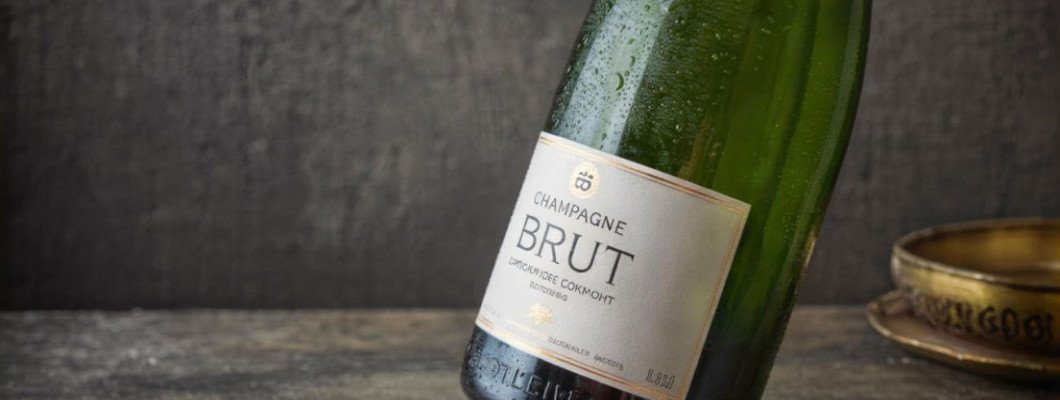
Champagne that we know best is the luxe, soft-gold coloured Brut Champagne that fills the glass—elegant, crisp, and endlessly celebratory. This iconic style of Champagne is loved across the world for its freshness and balance. Brut Champagne is a timeless style—it pairs well at a dinner party, makes for a stunning Thanksgiving or holiday gift, and is perfect when you want to have a little tête-à-tête with life just by yourself.
But what exactly makes it Brut, and how does it differ from other sparkling wines and Champagne styles? Let’s find out.
What Does ‘Brut’ Champagne Mean?
The meaning of Brut we know is “dry,” but it literally means “raw” or “unrefined” in French. At its core, Brut means a dry wine. Brut Champagne can have less than 12 grams per litre of sugar. Although this residual sugar may not be very apparent, given the high and refreshing acidity along with fine, persistent bubbles.
Brut Champagne tastes incredibly fresh and balanced alongside the fruit and autolytic notes (aromas and flavours from prolonged contact with dead yeast cells) of Champagne. These wines are crisp, dry, and very refreshing on the palate. As per Bureau du Champagne USA, over 90% of Champagne falls into the Brut category.
Brut Champagne is a real classic style of Champagne that’s important to every food and Champagne lover.
To simply answer a commonly asked question: Is Brut a sweet Champagne? No. Brut is dry, not sweet.
Is Brut Champagne Sweet or Dry?
Here’s where things get a bit confusing. While the term “dry” sounds like no sweetness at all, Brut actually has just a touch of residual sugar—but not enough to make it taste medium-sweet or sweet on the palate.
If you prefer a Champagne that’s clean, zesty, bright, crisp, complex, and well-balanced all at once, Brut should be the bottle you reach for.
- Is Brut Champagne sweet? No, it is dry with no perceivable sweetness.
- Is Brut Champagne dry? Yes. Brut has residual sugar below 12 grams per litre, which is usually not perceived due to high acidity and CO₂ bubbles.
How Does Brut Compare to Other Champagne Styles?
Let’s decode the difference between Brut, Extra Dry, and other terms indicating sweetness levels that you may come across on Champagne labels.
| Champagne Style | Sugar Level (g/L) | Taste |
|---|---|---|
| Brut Nature / Zero Dosage | 0–3 | Very dry, sharp, lean, high minerality |
| Extra Brut | 0–6 | Very dry, crisp |
| Brut | 0–12 | Dry, balanced, most popular style |
| Extra Dry | 12–17 | Slightly sweet (confusing name!) |
| Demi-Sec | 32–50 | Noticeably sweet |
| Doux | 50+ | Dessert-level sweet |
Despite what the name suggests, Brut Champagne is drier than Extra Dry Champagne, which is actually slightly sweeter.
Why Is Brut Champagne So Popular?
Brut Champagne dominates the global market, and for good reason. It is versatile, food-friendly, and the balance of acidity and flavour freshness appeals to Champagne lovers alike. The dryness on the palate gives it a clean, refreshing finish that lingers on, often marking high-quality and meticulous winemaking.
Brut Champagne or Brut Rose Champagne pairs wonderfully with a wide range of cuisines—from sushi and fried chicken to spicy Indian appetisers and holiday favourites like baked brie or turkey with cranberry sauce
Is Brut Champagne Good for Mimosas?
Brut Champagne is actually the perfect choice for mimosas.
- Orange juice adds natural sweetness.
- Sweeter Champagne than Brut can make the cocktail overly sweet.
- Brut Champagne creates a bright, balanced, and refreshing mimosa.
If you’re planning on hosting a brunch or a fun, casual bridal shower, grab a Brut Champagne and fresh orange juice to effortlessly whip up mimosas.
Off-dry sparkling wines like Prosecco are also a great pick for mimosas. Planning a party or want to ship a DIY mimosa gift basket? Check out our Mimosa Gift Baskets.
Don’t miss out on the evergreen classic champagne gift—Champagne Gift Baskets and Champagne Flute Gift Sets.
What Does Brut Champagne Taste Like?
Brut Champagne flavours may vary by brand, as Champagne houses have their own iconic house styles. What remains the same is residual sugar below 12 grams per litre and common tasting notes such as citrus, green apple, toasted bread, brioche, crackers, subtle floral notes, and pronounced minerality.
Flavours depend on grape varieties and winemaking techniques. Champagne can only be made using the Traditional Method.
Curious to learn more? Read on: A Guide To Champagne Grape Varieties.
Brut Champagne Food Pairings
| Dish | Why It Works |
|---|---|
| Oysters & Shellfish | Enhances brininess and freshness |
| Sushi & Sashimi | Cleanses the palate and complements umami |
| Fried Chicken or Tempura | Bubbles cut through fat beautifully |
| Soft Cheeses | Balances creaminess with acidity |
| Potato Chips or French Fries | Salt and bubbles create pure magic |
And of course, it’s perfect all on its own—just you and a stunning bottle of Brut.
Recommended Brut Champagne Bottles
Everyday Luxury
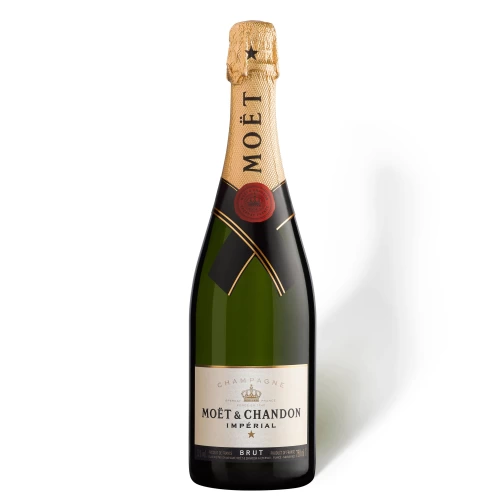
Moet & Chandon Brut Imperial NV
Crisp, approachable, with green apple and brioche notes. A classic expression of Brut Champagne.
Order Online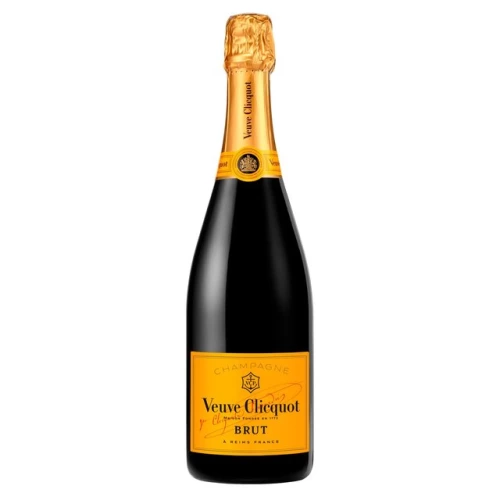
Veuve Clicquot Yellow Label Brut NV
Bright, bold bubbles with excellent structure. A crowd-pleasing Champagne for any celebration.
Order Online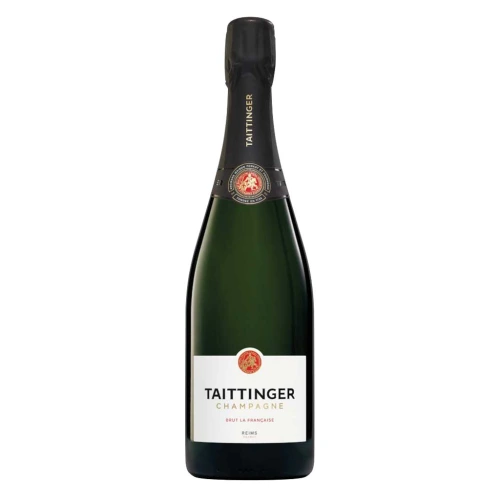
Taittinger Brut Reserve
Elegant and fresh with fine bubbles, citrus notes, and a refined finish.
Order OnlineMid-Range Luxury
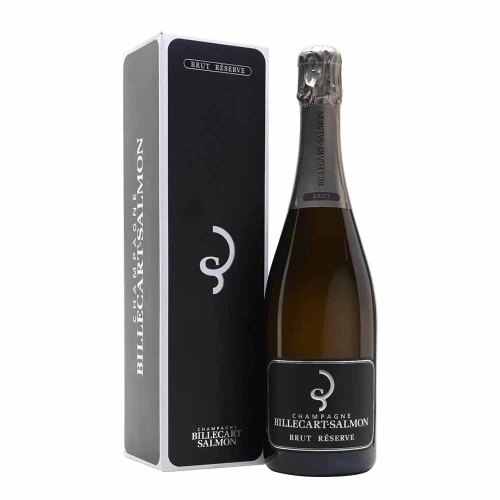
Billecart-Salmon Brut Reserve NV
Elegant, refined, and beautifully balanced with fine mousse and subtle fruit.
Order OnlineSpecial Occasions & Milestones
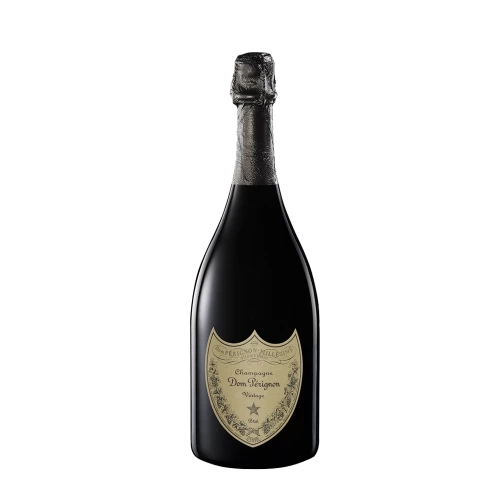
Dom Pérignon Vintage
Textural, complex, and impeccably dry with depth beyond a typical Brut Champagne.
Order Online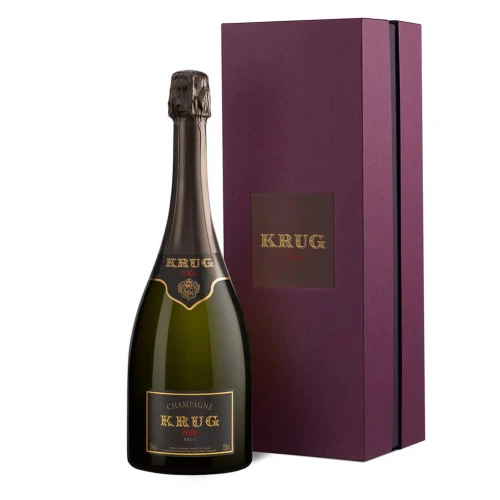
Krug Vintage Champagne
Exceptionally layered and expressive, showcasing richness, finesse, and structure.
Order OnlineFinal Pour
Now that you know everything about Brut Champagne—its bubbles, taste, and food pairings—you’re ready to sip with confidence. Whether it’s New Year’s, brunch, or a quiet evening, Brut Champagne adds elegance and brightness to every moment.
Leave your holiday gifting worries to us—choose your favourite Wine & Champagne Gift and we’ll deliver it right where you want it.
Related Blog Posts